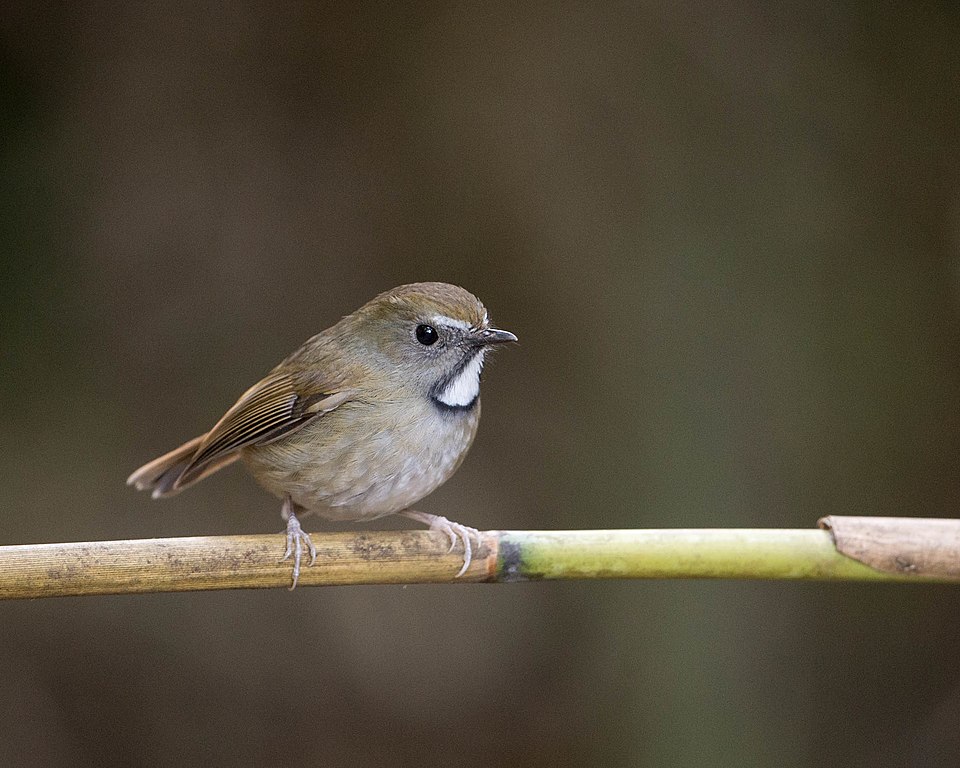
African Stonechat
Saxicola torquatus
Order: Passeriformes / Family: Muscicapidae

Wikimedia Commons
About the African Stonechat
The African Stonechat, Saxicola torquatus, is a captivating small bird belonging to the family Muscicapidae. It is widely distributed across sub-Saharan Africa, inhabiting a range of environments from open grasslands to marshy regions. Its adaptability to different habitats plays a crucial role in its ecological success, allowing it to thrive in both pristine and altered landscapes. Typically, the African Stonechat is found in countries like Kenya, South Africa, and Uganda, where it contributes to the local biodiversity by participating in insect control. As an insectivorous species, it affects the population dynamics of various invertebrates, making it a valuable component of the ecosystem.
The bird's presence in diverse habitats symbolizes its ecological versatility. From highland grasslands in Ethiopia to the coastal plains of Mozambique, the African Stonechat can adjust to various environmental conditions. During the breeding season, which often coincides with the rainy season, these birds become more territorial, showcasing vivid plumage and engaging in elaborate courtship displays. Understanding the seasonal behaviors of the African Stonechat provides insight into its breeding ecology, which typically involves intricate nesting habits and vocalizations.
Ecologically, the African Stonechat plays a significant role as both a predator and a prey species. It aids in controlling insect populations, particularly during the breeding season when it requires additional nutrition. In contrast, it serves as prey for larger birds and mammals. This dual role underscores its importance in maintaining ecological balance. The African Stonechat's adaptability, combined with its striking appearance and ecological role, makes it a subject of interest for both ornithologists and birdwatchers alike.
The African Stonechat belongs to the family Muscicapidae, within the order Passeriformes. These birds typically live average 5 years with a maximum recorded of 8 years..
How to Identify a African Stonechat
Identifying the African Stonechat involves noting its distinctive color pattern and size. Adult males exhibit a striking black head, throat, and upper breast, sharply contrasting with their white collar and orange-red underparts. The back is brown, and the wings showcase a mix of brown and black with white patches. Females, while similar, present a more muted palette with brownish tones replacing the vibrant black and orange of the males. Juvenile African Stonechats resemble females but with streaks on the head and back, which gradually disappear as they mature.
The differences between sexes are subtle yet distinguishable, especially during the breeding season when males display more vivid plumage. This seasonal change aids in courtship rituals. In flight, the African Stonechat exhibits a relatively short and rounded silhouette with conspicuous white wing patches visible against the darker body. When perched, it often displays an upright posture, frequently flicking its tail up and down, which is a characteristic behavior.
Confusion with similar species such as the Whinchat and the European Stonechat may occur, but the African Stonechat's more contrasting coloration and geographical distribution provide valuable clues for proper identification. Observing these field marks helps differentiate it from other members of the Saxicola genus, ensuring accurate identification in the field.
Having trouble telling birds apart? Upload a photo to our bird identification tool for an instant species match.
African Stonechat Habitat and Range
Preferred Habitat
The African Stonechat thrives in a variety of habitats, primarily favoring open grasslands, marshes, and agricultural fields. It is commonly found at elevations ranging from sea level to mountainous regions up to 3,000 meters. This adaptability allows the bird to inhabit diverse environments, from the savannas of Tanzania to the highlands of Kenya. Seasonal habitat shifts occur, with the bird moving to wetter areas during dry periods to follow the availability of prey.
In rural settings, the African Stonechat often perches on fence posts and low shrubs, offering an advantageous vantage point for spotting insects. While less common in urban areas, it can still be found in city parks and gardens, especially those adjacent to natural landscapes. Its presence in human-altered environments underscores its adaptability and resilience, allowing it to coexist with agricultural and pastoral activities.
The African Stonechat's habitat preferences reflect its need for open spaces with sparse vegetation, which facilitate its foraging behavior. This habitat choice also aids in its territorial displays, providing clear visibility for potential mates and rivals.
Geographic Range
The African Stonechat exhibits a wide distribution across sub-Saharan Africa, with its breeding range extending from South Africa in the south to Ethiopia in the north. It is a year-round resident in many parts of its range, although some populations may engage in altitudinal migrations in response to seasonal changes.
In East Africa, the bird can be frequently observed in Kenya, Uganda, and Tanzania, where it populates grasslands and highland regions. Southern African countries such as Zimbabwe, Botswana, and Namibia also host significant populations, with the bird thriving in both grasslands and marshy areas. The African Stonechat is notably absent from dense forested areas and deserts, as these environments do not support its preferred foraging and breeding habitats.
Population density hotspots include the grasslands of the Kenyan Rift Valley and the Drakensberg Mountains in South Africa, where the combination of suitable climate and abundant prey availability supports robust populations. While not a long-distance migrant, the African Stonechat's local movements ensure it remains well-distributed across suitable habitats in its range.
Want to know which birds visit your area? Browse our backyard birds by location guides for region-specific species lists.
What Does the African Stonechat Eat?
The African Stonechat's diet primarily consists of insects and other small invertebrates, which it captures using a sit-and-wait hunting strategy. Perched on a low branch or fence post, the bird scans the ground for movement before swooping down to seize its prey. Common dietary items include beetles, caterpillars, ants, and grasshoppers.
Seasonal diet changes occur in response to prey availability. During the rainy season, the abundance of insects allows the African Stonechat to consume a wider variety of prey, supporting its nutritional needs for breeding. In drier periods, the bird may supplement its diet with small fruits and seeds, demonstrating its dietary flexibility.
Prey size typically ranges from small ants to larger grasshoppers, which the bird skillfully handles using its beak. Foraging occurs throughout the day, with peaks in activity during the cooler morning and late afternoon hours. This feeding schedule maximizes energy intake while minimizing exposure to heat and potential predators.
African Stonechat Behavior and Social Structure
The African Stonechat exhibits a range of behaviors that reflect its adaptability and survival strategies. Socially, it is predominantly solitary or found in pairs, especially during the breeding season when territories are vigorously defended. Males engage in conspicuous displays to mark territory, including singing from prominent perches and engaging in aerial chases.
Courtship displays involve males showcasing their vibrant plumage and performing flight displays to attract females. Pair bonds are typically strong, with both parents sharing responsibilities in rearing young. Outside the breeding season, the African Stonechat may form loose associations with other small birds, although it generally maintains its territorial nature.
The bird's response to predators includes loud alarm calls and evasive maneuvers, often retreating to dense vegetation for cover. Daily activity patterns involve early morning and late afternoon foraging sessions, with midday often spent resting or preening. This behavior allows the African Stonechat to optimize its energy expenditure while reducing exposure to the midday sun.
African Stonechat Nesting and Reproduction
Nesting for the African Stonechat involves constructing a cup-shaped nest, typically hidden within dense vegetation close to the ground. The nest is crafted from grass, leaves, and small twigs, with finer materials lining the interior for added comfort. Location preferences often include areas near water sources or within open grasslands, providing both concealment and proximity to food.
Clutch size ranges from three to five eggs, with the female primarily responsible for incubation, lasting around 12 to 14 days. The fledging period is approximately 14 to 16 days after hatching, during which both parents participate in feeding and caring for the chicks. Parental roles are clearly defined, with the male often guarding the territory while the female tends to the young.
The African Stonechat typically raises one to two broods per season, depending on environmental conditions and food availability. Nest success rates can vary, influenced by factors such as predation and weather fluctuations, making nesting an energetically demanding period for the species.
African Stonechat Sounds and Vocalizations
The African Stonechat's primary song consists of a series of melodious whistles and clicks, with a rhythm that can be described as a repetitive 'chack-chack-chack' followed by softer notes. The pitch varies slightly, adding a musical quality to its vocalizations.
Call notes include a sharp 'chit' or 'tsip,' often used as contact calls between mates or to warn other birds of intruders. Alarm calls are more urgent, consisting of rapid, high-pitched notes designed to alert conspecifics to potential threats. During the dawn chorus, the African Stonechat's song contributes to the symphony of bird calls, setting the tone for the day's activities.
The vocalizations bear some resemblance to other members of the Muscicapidae family but can be distinguished by their specific rhythm and pattern, which, once learned, becomes a reliable identifier in the field.
Interesting Facts About the African Stonechat
- 1The African Stonechat can display up to three different plumage patterns depending on the region, showcasing its adaptability.
- 2Unlike many small birds, the African Stonechat often perches openly, relying on its agility to escape predators rather than staying hidden.
- 3The bird's distinctive 'chack-chack-chack' song is often one of the first sounds heard at dawn in its habitat.
- 4African Stonechats have been observed using human-made structures like fence posts as perches for hunting, demonstrating their adaptability.
- 5The species plays an important role in controlling insect populations, consuming hundreds of insects daily during the breeding season.
- 6Despite their small size, African Stonechats are known for their bold territorial displays, often chasing away larger birds.
- 7The African Stonechat's striking coloration serves not only in mate attraction but also in territorial defense, signaling ownership to rivals.
African Stonechat Conservation Status
Currently, the African Stonechat is listed as Least Concern by the IUCN, with stable population trends across most of its range. Its adaptability to various habitats has contributed to its resilience, allowing it to withstand habitat alterations due to agriculture and urban development. Primary threats include habitat loss from intensive farming practices and land conversion. However, the species' ability to thrive in modified landscapes mitigates some of these impacts. Conservation efforts focus on maintaining grassland habitats and promoting sustainable farming practices to ensure continued habitat availability. Historically, the African Stonechat's population has remained relatively stable, with no significant declines recorded. Its widespread distribution and adaptability make it less vulnerable to threats that impact more specialized species, underscoring the importance of habitat conservation for its ongoing survival.