
Black-and-rufous Flycatcher
Ficedula nigrorufa
Order: Passeriformes / Family: Muscicapidae

Wikimedia Commons
About the Black-and-rufous Flycatcher
The Black-and-rufous Flycatcher, scientifically known as Ficedula nigrorufa, occupies a unique niche within the forests of the Western Ghats and the Nilgiri Hills of southern India. This bird belongs to the Muscicapidae family, a diverse group of small passerine birds often known for their adept aerial skills. The Black-and-rufous Flycatcher is a captivating species due to its vivid plumage and agile flight patterns, making it a favorite among ornithologists and bird watchers alike. This species thrives in the dense, humid montane forests where it plays a crucial role in controlling insect populations, thus maintaining the ecological balance of its habitat. This bird's presence is often an indicator of forest health due to its reliance on undisturbed woodland environments.
The significance of the Black-and-rufous Flycatcher extends beyond its ecological role. Its striking coloration and energetic demeanor make it a symbol of the rich biodiversity found in the Western Ghats, a UNESCO World Heritage Site. This region is renowned for its endemic species, and the Black-and-rufous Flycatcher is a prime example of the unique avian life that contributes to the area's global conservation importance. The bird's restricted range highlights the need for careful habitat management to preserve this biodiversity hotspot.
Seasonal behaviors of the Black-and-rufous Flycatcher include varying vocalizations and changes in feeding strategies. During the breeding season, the male's song becomes more frequent and complex, serving both to attract a mate and to establish territory. As insect availability fluctuates with seasonal rains, the flycatcher adjusts its foraging behavior accordingly, demonstrating a high degree of adaptability. The bird's role in seed dispersal, though limited, further exemplifies its contribution to forest dynamics.
The Black-and-rufous Flycatcher belongs to the family Muscicapidae, within the order Passeriformes. These birds typically live typically 4-8 years, with the potential for longer in ideal conditions..
How to Identify a Black-and-rufous Flycatcher
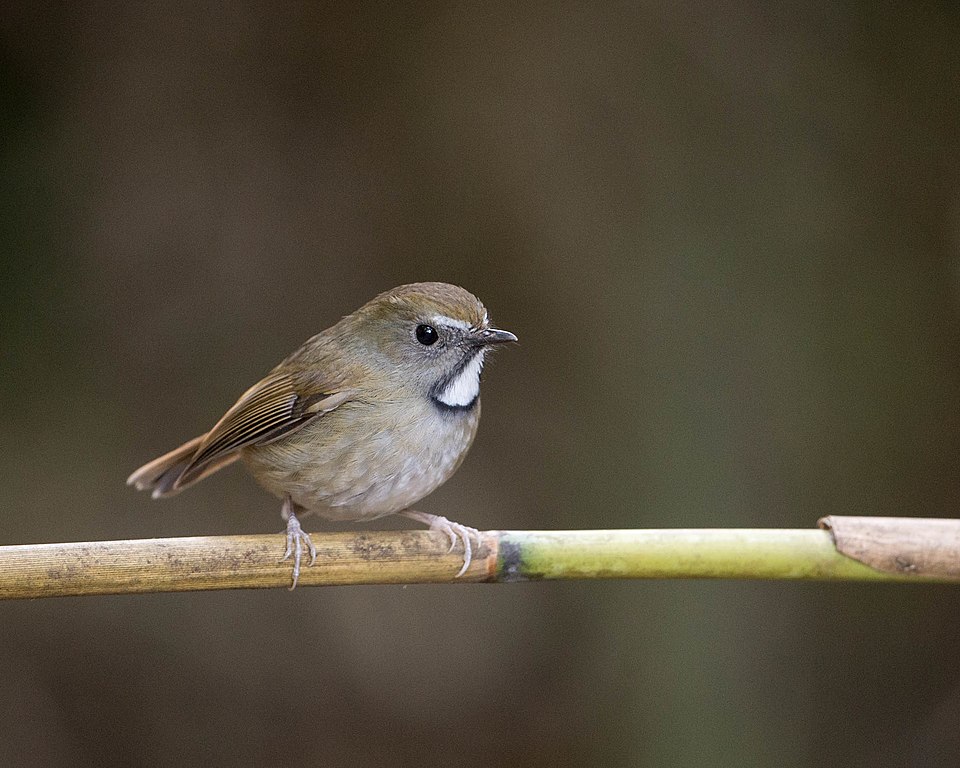
Identifying the Black-and-rufous Flycatcher involves noting several key field marks. Adult males and females share similar plumage, characterized by a striking contrast between their black upperparts and rufous or reddish-brown underparts. This coloration provides excellent camouflage among the forest's shadows and dappled sunlight. Juveniles resemble adults but may exhibit slightly duller tones with more mottled patterns, which fade as they mature. Males and females are nearly identical in appearance, making sex differentiation challenging without behavioral observation.
The Black-and-rufous Flycatcher can be confused with other species in the Ficedula genus, yet its distinct color palette and smaller size help differentiate it. Its flight silhouette is compact with rapid, direct movements, often seen darting between branches and canopy layers. When perched, it exhibits an upright posture, typical of flycatchers, with a slight forward tilt as it scans for insects. This posture, combined with its unique coloration, aids in field identification.
Despite its vivid plumage, the Black-and-rufous Flycatcher tends to blend well with its environment, especially when stationary. Observers should note its active behavior and listen for its vocalizations, which can often provide the first clue to its presence in dense foliage.
Having trouble telling birds apart? Upload a photo to our bird identification tool for an instant species match.
Black-and-rufous Flycatcher Habitat and Range
Preferred Habitat
The Black-and-rufous Flycatcher inhabits tropical montane forests, particularly those within the Western Ghats and Nilgiri Hills. These regions provide the dense canopy cover and humid conditions essential for its survival. The bird thrives at elevations ranging from 600 to 2,000 meters, where the forest understory offers ample insect prey. Within these forests, the flycatcher prefers areas with abundant leaf litter and fallen logs, which support a diverse insect community.
Seasonal habitat shifts for the Black-and-rufous Flycatcher are minimal, as it tends to remain within its preferred forested areas year-round. Unlike some other flycatchers, it does not adapt well to urban environments and is rarely seen in human-altered landscapes. The species' reliance on intact forest ecosystems underscores the importance of conserving these habitats to ensure its continued presence.
The bird's presence is often associated with well-preserved forest patches, making it a reliable indicator of habitat quality. Conservation efforts within its range focus on protecting these crucial forest areas from logging and encroachment.
Geographic Range
The breeding range of the Black-and-rufous Flycatcher is confined to the southern regions of India, primarily the Western Ghats and the Nilgiri Hills. These areas provide the ideal montane forest habitat that the species requires. Within this range, the bird is considered a resident, showing little to no migratory movement even during the breeding season.
The bird's population density varies within this restricted range, with hotspots primarily located in undisturbed forest regions. These areas support higher densities due to the availability of resources and suitable nesting sites. Unlike many other flycatchers, Ficedula nigrorufa does not undertake long-distance migrations, as its ecological niche remains stable throughout the year.
While its range is limited geographically, the Black-and-rufous Flycatcher is widespread within suitable habitats in these regions. Continued habitat protection is critical to maintaining this distribution, as deforestation poses a significant threat to its population stability.
Want to know which birds visit your area? Browse our backyard birds by location guides for region-specific species lists.
What Does the Black-and-rufous Flycatcher Eat?
The diet of the Black-and-rufous Flycatcher primarily consists of insects, which it captures with remarkable agility. This insectivorous bird preys on a variety of arthropods, including beetles, flies, and caterpillars, which it gleans from foliage or snatches mid-air during flights. The bird's foraging technique is characterized by quick, precise movements, often involving short sallying flights from a perch.
Seasonal dietary changes occur as insect populations fluctuate with the advent of monsoon rains. During wetter months, the abundance of prey allows the Black-and-rufous Flycatcher to increase its feeding rate, supporting its energetic breeding activities. In drier periods, the bird may expand its diet to include small fruits and seeds, although this is a less frequent behavior.
The flycatcher's feeding schedule aligns with peak insect activity, often resulting in heightened foraging activity during morning and late afternoon. This strategy maximizes energy intake while minimizing exposure to predators. The bird's role as a predator of insects helps control pest populations, contributing to the ecological health of its forest habitat.
Black-and-rufous Flycatcher Behavior and Social Structure
The Black-and-rufous Flycatcher exhibits a range of intriguing behaviors that reflect its adaptation to forest life. Socially, this bird tends to be solitary or found in pairs, especially during the breeding season. Territoriality is a prominent aspect of its behavior, with males vigorously defending their chosen areas through vocalizations and displays. These territories are crucial for attracting mates and ensuring access to feeding resources.
Courtship displays are an integral part of the Black-and-rufous Flycatcher's reproductive behavior. Males perform a series of aerial acrobatics and sing complex songs to entice females. Once paired, both partners engage in cooperative nest-building and rearing of young. Flocking behavior is uncommon outside of the breeding season, as these birds prefer to maintain independence when foraging.
The bird's response to predators involves a combination of alarm calls and evasive maneuvers. When threatened, the flycatcher emits sharp, high-pitched alarm notes to alert nearby birds. Its daily activity patterns are crepuscular, with peak activity occurring during dawn and dusk when insects are most active. This schedule allows the bird to optimize foraging while reducing competition and predation risks.
Black-and-rufous Flycatcher Nesting and Reproduction
The nesting habits of the Black-and-rufous Flycatcher are well adapted to its forest environment. Nests are typically constructed in tree cavities or among dense foliage, providing shelter and protection from predators. The bird uses a variety of materials, including moss, leaves, and spider silk, to create a secure and camouflaged nest structure.
Clutch size generally ranges from 2 to 4 eggs, with incubation lasting approximately 12 to 14 days. Both parents share incubation duties, although the female often takes the primary role in keeping the eggs warm. Post-hatching, both adults participate in feeding and caring for the chicks, ensuring their rapid growth and development. Fledging occurs about 15 to 18 days after hatching, at which point the young birds begin to explore their surroundings under parental supervision.
The Black-and-rufous Flycatcher usually raises one brood per year, although favorable conditions may occasionally permit a second. The cooperative nature of the parents is key to the successful rearing of their offspring, highlighting the importance of stable habitats for reproduction.
Black-and-rufous Flycatcher Sounds and Vocalizations
The primary song of the Black-and-rufous Flycatcher consists of a series of melodious, high-pitched notes delivered in rapid succession. This song is often described as a sweet, tinkling melody with a rhythmic and repetitive pattern. The bird uses this song primarily during the breeding season to establish territory and attract mates.
In addition to its song, the flycatcher produces a range of call notes, including sharp 'chip' sounds and soft whistles used for communication between mates or to signal alarm. Alarm calls are more abrupt and higher in pitch, designed to alert other birds to potential threats.
During the dawn chorus, the Black-and-rufous Flycatcher's song can be heard resonating through the forest, adding to the symphony of avian sounds that mark the beginning of the day. Its vocalizations are a key component of its behavior, aiding in both social interactions and territorial defense.
Interesting Facts About the Black-and-rufous Flycatcher
- 1The Black-and-rufous Flycatcher is endemic to the Western Ghats, a biodiversity hotspot recognized for its high level of endemism.
- 2This bird's striking color contrast, with black upperparts and rufous underparts, makes it a favorite among bird photographers.
- 3Unlike many flycatchers, the Black-and-rufous Flycatcher does not migrate, remaining in its montane forest habitat year-round.
- 4The Western Ghats, home to this flycatcher, is one of the eight "hottest hotspots" of biological diversity in the world.
- 5Both male and female Black-and-rufous Flycatchers participate in building the nest, showcasing strong parental cooperation.
- 6The species relies heavily on undisturbed forest environments, making it an important indicator of ecosystem health.
- 7The Black-and-rufous Flycatcher's diet shifts to include more fruits during periods of low insect availability.
Black-and-rufous Flycatcher Conservation Status
The Black-and-rufous Flycatcher is currently classified as Least Concern on the IUCN Red List, with a stable population trend. However, its restricted range makes it vulnerable to habitat loss due to deforestation and land conversion. The primary threats to this species stem from logging and agricultural expansion, which degrade the montane forests it relies on. Conservation efforts focus on preserving the integrity of its natural habitat within the Western Ghats and Nilgiri Hills. Protected areas and reserves play a crucial role in maintaining population stability by preventing habitat fragmentation and ensuring sustainable forest management. Historically, the Black-and-rufous Flycatcher has maintained a stable population, but continuous monitoring and habitat conservation are essential to prevent future declines. Collaborative efforts between conservation organizations and local communities are vital in safeguarding this species and its environment.
Other Muscicapidae Species


Birds Similar to the Black-and-rufous Flycatcher
These species are often confused with the Black-and-rufous Flycatcher due to similar appearance or overlapping range.

