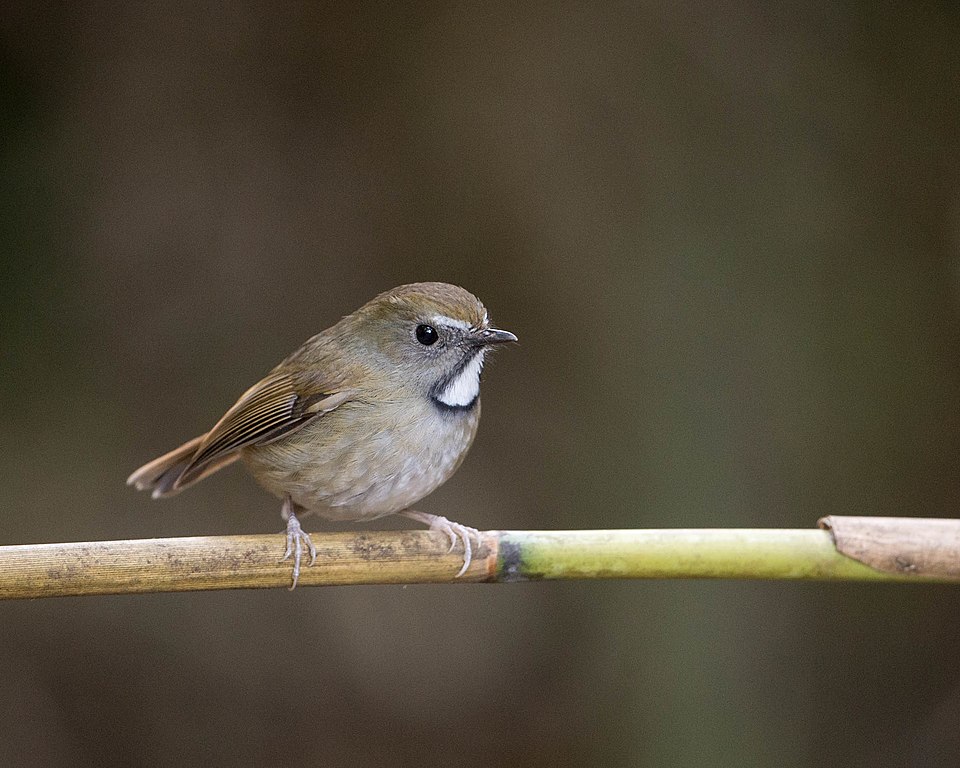
Bornean Blue Flycatcher
Cyornis superbus
Order: Passeriformes / Family: Muscicapidae

Wikimedia Commons
About the Bornean Blue Flycatcher
The Bornean Blue Flycatcher (Cyornis superbus) is a captivating small passerine bird endemic to the island of Borneo. Renowned for its vibrant blue upperparts and contrasting rufous underparts, this species epitomizes the avian diversity of Southeast Asia's tropical forests. It primarily inhabits lowland and submontane forests, where it plays a significant role in the ecosystem as an insect predator, helping to control insect populations. This flycatcher occupies a niche that emphasizes the ecological importance of maintaining forest integrity on Borneo. Its presence serves as an indicator of healthy forest environments, highlighting the necessity of conservation efforts in these regions. The Bornean Blue Flycatcher is particularly associated with the lush, humid forests of regions like Sabah and Sarawak in Malaysia, as well as parts of Kalimantan in Indonesia. Its preference for dense, undisturbed habitats makes it vulnerable to habitat destruction primarily due to logging and agricultural expansion. Seasonally, the Bornean Blue Flycatcher may exhibit local movements in response to food availability but typically remains within the same general area throughout the year. This sedentary nature, combined with its specific habitat requirements, underscores the importance of targeted conservation strategies to ensure its continued survival. As an insectivore, the Bornean Blue Flycatcher contributes to the ecological balance within its habitat, preying on a variety of flying insects. Its feeding habits support the control of pest populations, benefiting both the forest ecosystem and the human activities that rely on it. Furthermore, its vibrant plumage and melodious song make it a favorite among birdwatchers and nature enthusiasts who visit Borneo, providing an economic incentive to preserve its natural environment. The Bornean Blue Flycatcher thus serves not only as an integral component of its ecosystem but also as a symbol of the rich biodiversity found within Borneo's forests.
The Bornean Blue Flycatcher belongs to the family Muscicapidae, within the order Passeriformes. These birds typically live typically 4-6 years, with the oldest recorded at 8 years..
How to Identify a Bornean Blue Flycatcher
The Bornean Blue Flycatcher is easily recognized by its vivid blue upperparts, which extend from its crown down to its tail. The contrasting rufous-orange breast and belly provide a striking visual marker. Males typically display a more intense blue coloration compared to females, whose plumage is slightly duller with a more subdued hue. Juvenile Bornean Blue Flycatchers can be identified by their more muted colors and the presence of spotting or streaking on their throats and chests, features that help in differentiating them from adults. In flight, the Bornean Blue Flycatcher exhibits a compact silhouette with a relatively short tail and rounded wings, typical of the Muscicapidae family. Its flight is characterized by quick, agile maneuvers as it darts through the forest canopy in pursuit of insects. When perched, it often adopts an upright posture, showcasing its distinctive plumage against the green backdrop of the forest. The Bornean Blue Flycatcher can sometimes be confused with other blue flycatchers found in Southeast Asia, such as the Mangrove Blue Flycatcher, but careful attention to its rufous underparts and specific geographic range can aid in proper identification.
Having trouble telling birds apart? Upload a photo to our bird identification tool for an instant species match.
Bornean Blue Flycatcher Habitat and Range
Preferred Habitat
The Bornean Blue Flycatcher thrives in the humid, tropical forests of Borneo, favoring lowland and submontane forests up to elevations of about 1,200 meters. It can often be found in primary and well-developed secondary forests where dense understory and canopy cover provide ample opportunities for foraging. This species shows a strong preference for undisturbed habitats, making it less common in areas heavily impacted by human activities. It seldom ventures into urban settings, remaining closely tied to forested environments. However, during certain times of the year, it may be observed at forest edges or in slightly disturbed habitats if food resources are abundant. Despite its preference for forested areas, the Bornean Blue Flycatcher's adaptability to different levels of forest maturity highlights its role in various stages of forest succession.
Geographic Range
The Bornean Blue Flycatcher is endemic to the island of Borneo, with its range extending across Malaysia's states of Sabah and Sarawak, as well as the Indonesian provinces of Kalimantan. Unlike other migratory flycatchers, this species is largely sedentary, remaining within its tropical habitats year-round. It does not engage in long-distance migrations but may undertake shorter, local movements based on food availability and habitat conditions. Within its range, the Bornean Blue Flycatcher is primarily found in lowland and submontane forests, where it occurs at varying population densities. While widespread throughout Borneo, its presence is concentrated in regions where forest cover remains intact, and it is notably absent from heavily deforested areas. Conservation efforts are critical in maintaining the health of these forests to ensure the flycatcher's continued presence on the island.
Want to know which birds visit your area? Browse our backyard birds by location guides for region-specific species lists.
What Does the Bornean Blue Flycatcher Eat?
The Bornean Blue Flycatcher primarily feeds on insects, which comprise the bulk of its diet. It actively forages for prey by sallying from perches to catch flying insects mid-air, a behavior characteristic of many flycatcher species. This opportunistic foraging strategy allows it to exploit various insect populations, including beetles, flies, and moths. During certain seasons, its diet may shift slightly depending on the availability of specific insect types, but it remains predominantly insectivorous throughout the year. The flycatcher typically forages alone or in pairs, maintaining a specific feeding territory. It shows a preference for foraging in the lower to mid-canopy levels of the forest, where insect activity is high. Its foraging schedule is diurnal, with peak activity occurring in the early morning and late afternoon when insect prey is most abundant.
Bornean Blue Flycatcher Behavior and Social Structure
The Bornean Blue Flycatcher exhibits a range of behaviors typical of small passerines. It is generally solitary or found in pairs, particularly during the breeding season when pairs establish territories. Males engage in vocal displays to defend their territories and attract mates, often singing from prominent perches. The courtship process involves a series of displays, including wing flicking and posturing, to entice females. Once paired, the flycatchers remain monogamous for the breeding season. Territorial behavior is pronounced, with both males and females actively defending their chosen nesting area from intruders. During the non-breeding season, the Bornean Blue Flycatcher may join mixed-species foraging flocks, benefiting from the increased vigilance of a larger group to detect predators. Its response to potential threats involves a combination of alarm calls and evasive flight, retreating into dense foliage to avoid detection. Its daily activity pattern is primarily diurnal, with periods of rest during the hottest parts of the day.
Bornean Blue Flycatcher Nesting and Reproduction
Bornean Blue Flycatchers construct cup-shaped nests using a variety of natural materials, including moss, leaves, and fine roots, which they weave together to create a sturdy structure. They typically place their nests in the forks of tree branches or within dense vegetation at varying heights above the ground. The female lays a clutch of two to three eggs, which she incubates for approximately 12-14 days. Both parents participate in feeding and caring for the nestlings once they hatch. Fledging occurs about 14-16 days post-hatching, with both parents continuing to provide food and protection until the young are independent. The Bornean Blue Flycatcher typically raises one brood per year, although in optimal conditions, a second brood may be attempted. Parental roles are well-defined, with males primarily responsible for defending the territory while females undertake the bulk of incubation duties.
Bornean Blue Flycatcher Sounds and Vocalizations
The Bornean Blue Flycatcher's song is a melodious series of clear, high-pitched whistles that rise and fall in a rhythmic pattern. Its primary song consists of repeated phrases that can be heard echoing through the forest, particularly during the early morning hours as part of the dawn chorus. In addition to its song, the flycatcher emits a variety of call notes used for communication between mates and signaling alarm when predators are near. These calls include sharp, short whistles and a soft, chattering sound. The bird's vocalizations are an essential component of its territorial behavior, with males using their song to establish and maintain their breeding territories. Compared to other flycatchers, the Bornean Blue Flycatcher's song is distinctive in its clarity and musicality, making it a delight for birdwatchers and researchers alike.
Interesting Facts About the Bornean Blue Flycatcher
- 1The Bornean Blue Flycatcher is one of the few bird species endemic to Borneo, highlighting its unique ecological niche.
- 2Despite its name, the Bornean Blue Flycatcher exhibits sexual dimorphism, with males showing more vibrant blue plumage.
- 3Unlike many other flycatcher species, the Bornean Blue Flycatcher does not engage in long-distance migrations.
- 4Its diet consists almost exclusively of insects, making it an essential player in controlling pest populations in its habitat.
- 5The Bornean Blue Flycatcher contributes to the dawn chorus, a natural symphony that occurs each morning in tropical forests.
- 6Researchers use the flycatcher's song as an indicator of forest health, as it is sensitive to habitat disturbances.
- 7The Bornean Blue Flycatcher's vibrant coloration and song make it a popular subject for birdwatchers visiting Borneo.
Bornean Blue Flycatcher Conservation Status
The Bornean Blue Flycatcher is currently listed as Least Concern by the IUCN, but its population is subject to ongoing threats from habitat loss and degradation. Deforestation for logging and agricultural development poses the most significant threat to its habitat, leading to declines in suitable living areas. While the population trend is currently considered stable, continued habitat destruction could result in future declines. Conservation efforts focus on preserving the remaining forest cover on Borneo and mitigating the impacts of human activities. Protected areas and reserves play a crucial role in safeguarding the habitats of the Bornean Blue Flycatcher, and ongoing research is essential in monitoring its population dynamics and ecological requirements.