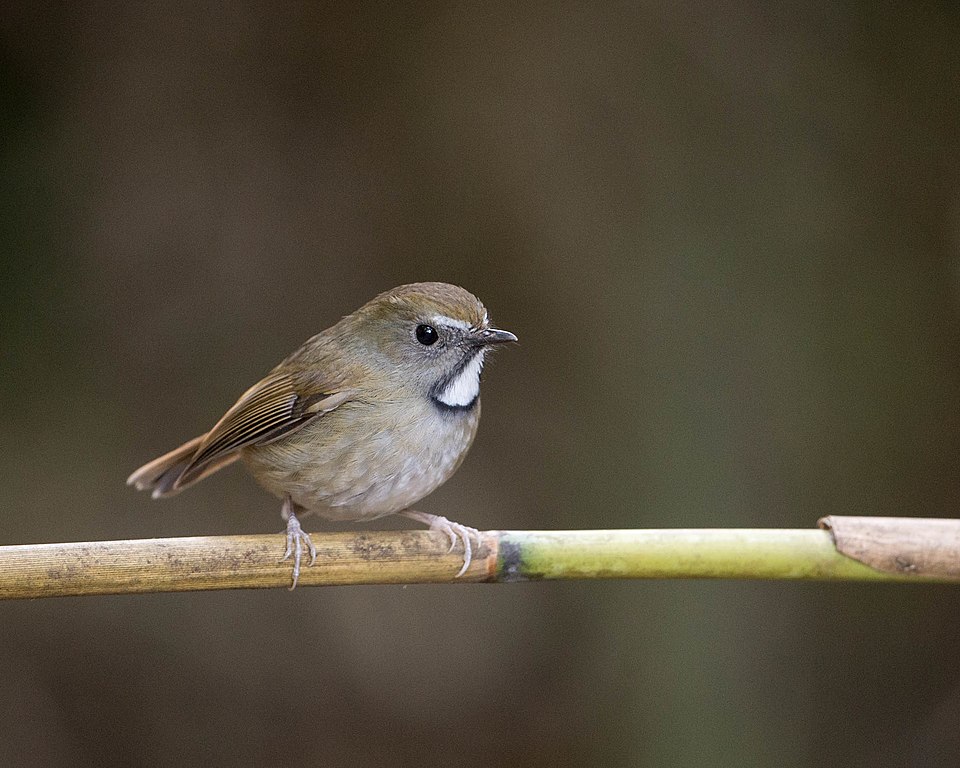
Cape Rock-Thrush
Monticola rupestris
Order: Passeriformes / Family: Muscicapidae

Wikimedia Commons
About the Cape Rock-Thrush
The Cape Rock-Thrush (Monticola rupestris) captivates bird enthusiasts with its vibrant hues and distinctive presence within its native habitat. This medium-sized songbird, belonging to the family Muscicapidae, is a striking example of avian beauty adapted to the rugged terrains of southern Africa. Males exhibit a vivid blue head and upperparts, contrasted by a rich orange breast and flanks, while females are more subtly colored in browns and grays, allowing them to blend seamlessly into the rocky landscapes they inhabit.
Endemic to southern Africa, the Cape Rock-Thrush primarily resides in South Africa, Lesotho, and parts of Swaziland. It thrives in montane regions, favoring rocky outcrops and escarpments where it can forage efficiently and evade predators. These birds are particularly noted for their preference for elevations ranging from 1,200 to 3,000 meters, although they are occasionally found at lower altitudes, especially during certain seasons when food becomes scarce.
The ecological role of the Cape Rock-Thrush is significant, as it contributes to the control of insect populations within its habitat. Its diet consists predominantly of insects, which it captures by sallying from perches or gleaning from rocks and ground surfaces. The seasonal availability of food influences the birds’ distribution, prompting them to move to lower elevations or different regions during harsher winter months. The Cape Rock-Thrush's presence is a marker of healthy, undisturbed habitats, making it an indicator species for environmental monitoring.
Beyond its ecological contributions, the Cape Rock-Thrush holds cultural significance in the regions it inhabits. Its melodious song, often delivered from prominent perches, adds a musical charm to the rocky landscapes and has inspired local folklore and appreciation among communities. Birdwatchers and naturalists value the opportunity to observe and study these birds, given their distinctive behaviors and the challenge they present to those hoping to spot them amidst their camouflaged surroundings.
The Cape Rock-Thrush belongs to the family Muscicapidae, within the order Passeriformes. These birds typically live average 5-8 years, with some individuals living up to 12 years..
How to Identify a Cape Rock-Thrush
The Cape Rock-Thrush stands out with its vibrant plumage, making it relatively easy to identify among the rocky terrains. Adult males display a striking contrast of blue and orange, with a bright cobalt blue on the head, back, and wings. The underparts are a rich, warm orange, extending from the throat down to the belly. In contrast, adult females and juveniles are more muted, displaying a mottled brown and gray appearance with paler underparts, which aids in camouflage.
A keen birder can distinguish the male Cape Rock-Thrush from similar species such as the Short-toed Rock-Thrush (Monticola brevipes) by its larger size and more vivid color contrast. The female, however, may be confused with other female rock-thrushes due to her subdued coloration, but a closer examination of her habitat and behavior can provide clues for correct identification.
In flight, the Cape Rock-Thrush shows a distinctive silhouette with broad, rounded wings and a slightly rounded tail. Their flight is agile and direct, often characterized by quick, purposeful movements between perches. When perching, they often choose elevated rocks or cliffs, maintaining an upright posture that enhances their alertness and readiness to sally out for prey.
Having trouble telling birds apart? Upload a photo to our bird identification tool for an instant species match.
Cape Rock-Thrush Habitat and Range
Preferred Habitat
The Cape Rock-Thrush is closely associated with rocky environments and montane habitats. It thrives in areas characterized by rugged cliffs, rocky outcrops, and escarpments where it can find ample food and nesting opportunities. These birds prefer elevations between 1,200 and 3,000 meters, although seasonal shifts may lead them to lower altitudes during colder months when food resources at higher elevations become limited.
While primarily found in rural and mountainous regions, the Cape Rock-Thrush occasionally ventures into more suburban areas where suitable rocky habitats exist. However, urban expansion and habitat modification can pose challenges to these birds, restricting their presence to less disturbed areas. Unlike many songbirds, the Cape Rock-Thrush does not typically inhabit dense forests or open grasslands, instead favoring the unique niche offered by its chosen rocky terrain.
Geographic Range
The Cape Rock-Thrush is endemic to southern Africa, with its primary range spanning South Africa, Lesotho, and parts of Swaziland. Within this region, it inhabits the Drakensberg Mountains and other montane areas, where it can be found year-round. During the breeding season, these birds are more concentrated in specific high-altitude locales where suitable nesting sites are abundant.
As the seasons change, some populations may exhibit altitudinal migration, moving to lower elevations during winter months in search of more favorable conditions and food availability. Despite this movement, the Cape Rock-Thrush remains predominantly a resident species, with no extensive migrations like those exhibited by many other passerines. Population density hotspots include the central Drakensberg region and the Eastern Cape, where the rocky habitat is ideal for their needs.
Want to know which birds visit your area? Browse our backyard birds by location guides for region-specific species lists.
What Does the Cape Rock-Thrush Eat?
The Cape Rock-Thrush primarily feeds on insects, making it an important player in controlling local insect populations. Its diet consists of beetles, ants, caterpillars, and other small invertebrates, which it captures through a combination of sallying flights and ground foraging. The bird's keen eyesight allows it to spot prey from a distance, launching from a perch to swiftly catch its target.
Seasonal changes influence the availability of prey, prompting the Cape Rock-Thrush to adapt its diet accordingly. During warmer months, when insects are abundant, they form the bulk of the diet. However, in cooler seasons or periods of scarcity, the thrush may supplement its diet with small fruits and seeds found in its rocky habitat.
Foraging typically occurs during daylight hours, with peak activity in the early morning and late afternoon when insects are most active. The bird's agile movements and ability to navigate rocky terrains efficiently make it a skilled hunter, contributing to its success in diverse environments.
Cape Rock-Thrush Behavior and Social Structure
The Cape Rock-Thrush exhibits a variety of intriguing behaviors, particularly in its social and territorial dynamics. These birds are generally solitary or found in pairs, especially during the breeding season when they establish and defend territories. Males are known for their conspicuous singing, which serves both to attract mates and to assert dominance over their chosen territory.
Courtship displays are elaborate, involving a combination of vocalizations and physical movements. Males often perform aerial displays, showcasing their agility and strength, while singing persistently to woo potential mates. Once paired, the bond between the male and female is strong, with both partners participating in nesting and chick-rearing activities.
Daily activity patterns of the Cape Rock-Thrush are influenced by environmental conditions, with increased activity during cooler parts of the day. They are primarily diurnal, spending their daylight hours foraging, singing, and maintaining their territories. When threatened by predators, these birds rely on their agility and knowledge of the rocky terrain to evade capture, often retreating to inaccessible crevices or using camouflage to avoid detection.
Cape Rock-Thrush Nesting and Reproduction
The nesting habits of the Cape Rock-Thrush are as distinctive as its plumage. These birds prefer to nest in crevices and ledges on rocky outcrops or cliffs, where they construct cup-shaped nests using a variety of materials such as grass, twigs, and feathers. The choice of nesting site prioritizes safety from predators, with locations often being difficult to access.
A typical clutch consists of 2 to 4 eggs, which the female incubates over a period of approximately two weeks. During this time, the male plays a supportive role, providing food and protection to the nesting female. Once the eggs hatch, both parents share the responsibility of feeding and caring for the chicks.
Fledging occurs about 14 to 16 days after hatching, with young birds remaining under parental supervision until they are independent. The Cape Rock-Thrush typically produces one to two broods per year, depending on environmental conditions and food availability, ensuring the continuation of its lineage in the challenging montane habitats.
Cape Rock-Thrush Sounds and Vocalizations
The Cape Rock-Thrush is renowned for its melodious song, a series of rich, fluty notes delivered with clarity and precision. The song consists of a varied repertoire that includes whistles, trills, and phrases repeated in a rhythmic pattern. Males are the primary singers, using their vocalizations to establish territories and attract mates.
In addition to their song, these birds produce a range of call notes, including sharp, single-note alarms used to warn of approaching predators or other threats. During the dawn chorus, their songs are particularly prominent, resonating through the rocky landscapes as daylight emerges.
The Cape Rock-Thrush's song is often compared to a flute's sound, with a smooth and flowing quality that makes it a pleasure for birdwatchers to hear. These vocalizations play a critical role in their social interactions and communication, enhancing the overall auditory landscape of their habitat.
Interesting Facts About the Cape Rock-Thrush
- 1The Cape Rock-Thrush is one of the few bird species that can thrive at elevations up to 3,000 meters in the Drakensberg Mountains.
- 2Males of the species are known for their bright cobalt blue plumage, which can be a visual delight in the rocky landscapes they inhabit.
- 3Cape Rock-Thrushes are adapted to rocky environments, using crevices and ledges for nesting to evade predators and harsh weather.
- 4The song of the Cape Rock-Thrush is often described as flute-like and can carry over long distances, making it a key feature in their territorial displays.
- 5Despite their bold colors, female Cape Rock-Thrushes are more subdued, allowing them to blend into the rocky backgrounds effectively.
- 6These birds play a crucial role in controlling insect populations in their habitats, showcasing the balance of their ecosystems.
- 7The Cape Rock-Thrush is a symbol of healthy montane ecosystems, often serving as an indicator species for environmental monitoring.
Cape Rock-Thrush Conservation Status
The Cape Rock-Thrush currently holds a status of Least Concern on the IUCN Red List, with population trends considered stable. However, as with many species, habitat loss and environmental changes pose potential threats to their long-term viability. Primary threats include habitat destruction due to urban expansion and agricultural development, which can limit available nesting sites and reduce food supply. Conservation efforts focus on preserving the natural rocky habitats these birds depend on, as well as monitoring population trends to detect any early signs of decline. Historically, the population of the Cape Rock-Thrush has remained relatively stable, benefiting from the preservation of their specialized montane habitats. Ongoing conservation initiatives strive to maintain this stability, ensuring that these striking birds continue to thrive in their native regions.