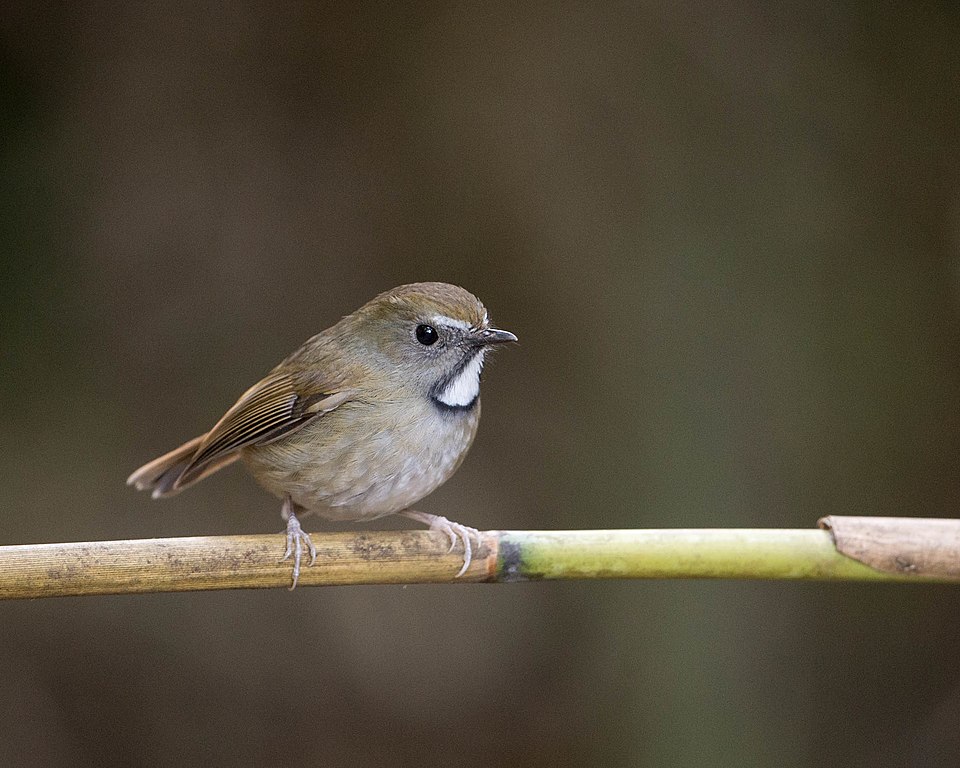
Cinnamon-chested Flycatcher
Ficedula buruensis
Order: Passeriformes / Family: Muscicapidae

Wikimedia Commons
About the Cinnamon-chested Flycatcher
The Cinnamon-chested Flycatcher, scientifically known as Ficedula buruensis, is a captivating avian species that primarily inhabits the tropical forests of the Maluku Islands, particularly on Buru Island in Indonesia. This flycatcher exhibits a strikingly warm cinnamon hue across its chest, a feature that sets it apart from other flycatchers in its range. As a member of the Muscicapidae family, the Cinnamon-chested Flycatcher plays a crucial ecological role as both predator and prey within its habitat. It helps regulate insect populations while also serving as a food source for larger birds of prey.
The ecological significance of the Cinnamon-chested Flycatcher extends beyond its role in the food web. By consuming a diverse array of insects, this bird aids in controlling potential pest species, contributing to the health of the forest ecosystem. The lush forests of Buru Island provide a haven for this species, offering ample food resources and suitable nesting sites. These birds thrive in the lower to middle elevations of the island's forested regions, where they can be observed actively foraging amidst the dense foliage.
Seasonal behaviors of the Cinnamon-chested Flycatcher are intricately linked to the climatic patterns of the region. During the wetter months, these birds become more vocal and active, engaging in breeding activities and courtship displays. Their presence becomes more pronounced as they establish territories and defend them against potential rivals. As the dry season approaches, their activity may decrease slightly, but they remain a constant presence in their preferred forested habitats.
The Cinnamon-chested Flycatcher belongs to the family Muscicapidae, within the order Passeriformes. These birds typically live typically lives 4-7 years, with some individuals reaching 10 years..
How to Identify a Cinnamon-chested Flycatcher
The Cinnamon-chested Flycatcher is a small passerine bird, measuring approximately 12-13 cm in length. Its most notable feature is the rich cinnamon coloration on its chest, which contrasts beautifully with its otherwise subdued plumage. The upperparts of the bird are predominantly grayish-brown, providing effective camouflage against the forest background. The underparts, aside from the cinnamon chest, are a lighter gray, adding to the bird's overall muted appearance.
There are subtle differences between the sexes, with males typically exhibiting a more vibrant and extensive cinnamon coloration compared to females. Juveniles may appear duller, with less distinct chest coloring, but they gradually acquire the adult plumage as they mature. In flight, the Cinnamon-chested Flycatcher displays a compact silhouette with rapid wingbeats, although it is more often observed perched quietly within the forest understory.
Confusion with similar species is possible, particularly with other small flycatchers in the region. However, the unique chest coloring serves as a reliable identifying mark. Observers should note the bird's perching posture, often characterized by brief sallies from a fixed perch to catch insects mid-air, a behavior typical of flycatchers.
Having trouble telling birds apart? Upload a photo to our bird identification tool for an instant species match.
Cinnamon-chested Flycatcher Habitat and Range
Preferred Habitat
The Cinnamon-chested Flycatcher primarily inhabits the lowland and montane forests of Buru Island. These birds are typically found at elevations ranging from sea level up to about 1,500 meters, where the dense forest canopy offers ample cover and abundant insect prey. They prefer areas with a mix of open spaces and dense vegetation, which provides both hunting grounds and shelter.
There is little evidence to suggest significant seasonal habitat shifts, as these birds are primarily sedentary. While not commonly found in urban areas, the flycatcher may occasionally venture into rural gardens or plantations adjacent to forested regions. The species relies heavily on the rich biodiversity of its native forest habitats, where it plays an integral role in the ecosystem.
Geographic Range
The Cinnamon-chested Flycatcher is endemic to the Maluku Islands of Indonesia, with its primary range confined to Buru Island. Within this limited geographic area, the species is considered resident, meaning it does not undertake long-distance migrations. Its distribution across Buru is relatively even, although population densities are higher in areas with well-preserved forest habitats.
Given its restricted range, the flycatcher is particularly vulnerable to habitat disturbances. Despite its limited range, the species maintains a stable population in its native habitat, with no significant evidence of migratory behavior. The bird's presence on the island serves as an indicator of the health of the local forest ecosystems.
Want to know which birds visit your area? Browse our backyard birds by location guides for region-specific species lists.
What Does the Cinnamon-chested Flycatcher Eat?
The Cinnamon-chested Flycatcher is primarily insectivorous, feeding on a variety of small to medium-sized insects. Its diet includes beetles, flies, and caterpillars, which it catches in mid-air or gleans from foliage. During wetter seasons, when insect abundance is high, these birds are particularly active in their pursuit of prey.
Foraging techniques of the Cinnamon-chested Flycatcher are typical of flycatchers, involving quick sallies from a perch to capture insects in flight. They exhibit impressive agility and precision, often returning to the same perch after a successful catch. Occasionally, they may supplement their diet with small fruits or berries, especially when insect prey becomes scarce. This dietary flexibility aids their survival in varying environmental conditions.
Cinnamon-chested Flycatcher Behavior and Social Structure
Socially, the Cinnamon-chested Flycatcher is relatively solitary, though pairs may be observed during the breeding season. These birds establish and vigorously defend territories, using vocalizations and displays to ward off intruders. Courtship behaviors include aerial displays and singing, with males often showcasing their cinnamon chests to attract mates.
The daily activity pattern of the flycatcher aligns with the daylight hours, with peak activity occurring during the early morning and late afternoon. They exhibit a cautious demeanor, remaining within the cover of foliage to avoid predators. In the presence of threats, such as larger birds of prey, the flycatcher may emit alarm calls and seek shelter. Their quick, darting flight and keen awareness of their surroundings aid in predator avoidance.
Cinnamon-chested Flycatcher Nesting and Reproduction
The Cinnamon-chested Flycatcher constructs cup-shaped nests using a variety of natural materials, including twigs, leaves, and moss. These nests are typically situated in the fork of a tree branch, often at a considerable height to deter ground predators. During the breeding season, which coincides with the wettest months, a female lays 2-3 eggs per clutch.
Both parents share responsibilities in incubating the eggs, which hatch after about 12-14 days. The fledging period lasts approximately two weeks, during which time the parents actively feed and protect the young. A single pair may raise one or two broods per year, depending on environmental conditions and food availability.
Cinnamon-chested Flycatcher Sounds and Vocalizations
The primary song of the Cinnamon-chested Flycatcher is a series of melodious whistles, characterized by a clear and rhythmic cadence. These songs serve as both territorial declarations and mating calls. Additionally, the bird emits short, sharp call notes, often used to maintain contact with its mate or signal alarm.
During the dawn chorus, the flycatcher's song can be heard resonating through the forest, contributing to the rich acoustic tapestry of its habitat. The alarm calls, while less melodic, are crucial for alerting other birds to potential threats and are typically more rapid and higher-pitched.
Interesting Facts About the Cinnamon-chested Flycatcher
- 1The Cinnamon-chested Flycatcher is endemic to Buru Island, making it a unique species found nowhere else in the world.
- 2Despite its small size, the Cinnamon-chested Flycatcher plays a significant role in controlling insect populations within its habitat.
- 3The distinct cinnamon coloration of its chest serves as both an identification marker and a display trait during courtship rituals.
- 4This flycatcher exhibits typical sit-and-wait foraging behavior, darting from perches to catch insects mid-air.
- 5The species' reliance on forested areas makes it an important indicator of ecosystem health on Buru Island.
- 6Cinnamon-chested Flycatchers are non-migratory, maintaining permanent territories within their restricted range.
- 7The bird's song contributes to the rich auditory landscape of Buru's forests, especially prominent during the dawn chorus.
Cinnamon-chested Flycatcher Conservation Status
The IUCN currently lists the Cinnamon-chested Flycatcher as a species of Least Concern, with a stable population trend. However, its restricted range on Buru Island makes it susceptible to habitat loss due to deforestation and land conversion. Conservation efforts focus on preserving the island's natural forest habitats and mitigating the impacts of logging and agricultural expansion. Historically, the population has remained relatively resilient, but ongoing habitat protection is essential to ensure long-term survival. Continued research and monitoring are necessary to track population changes and habitat health.