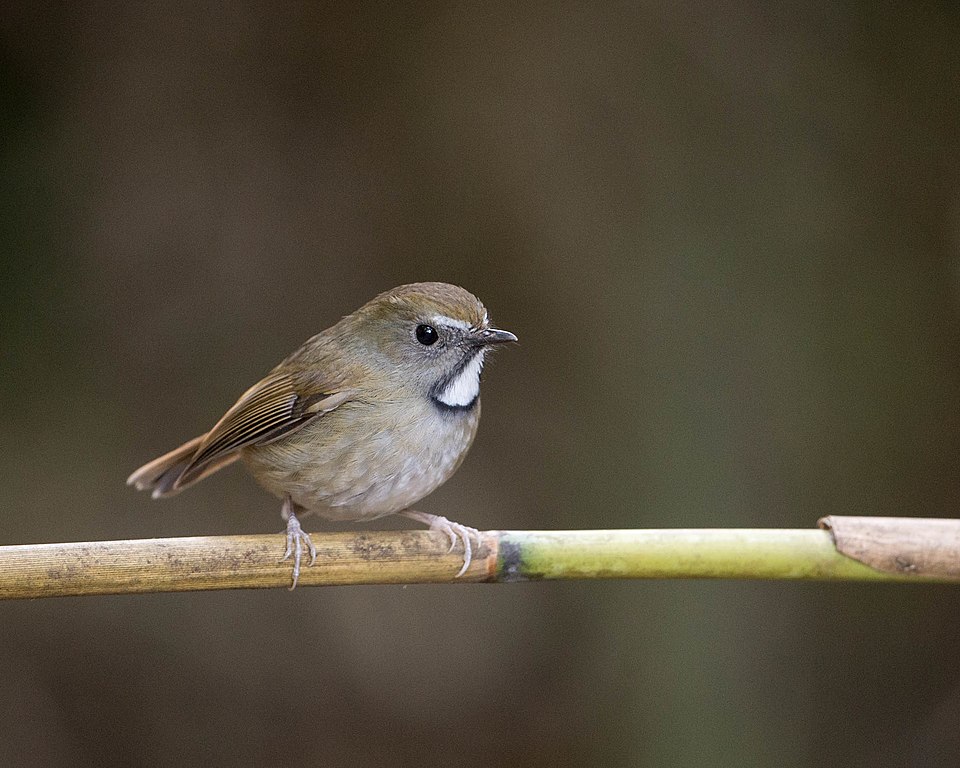
Common Nightingale
Luscinia megarhynchos
Order: Passeriformes / Family: Muscicapidae

Wikimedia Commons
About the Common Nightingale
The Common Nightingale, Luscinia megarhynchos, is an iconic songbird renowned for its enchanting vocal performances. This small, unassuming bird holds a special place in literature and folklore, celebrated for its extraordinary song, which can be heard echoing through European woodlands from late April through July. The nightingale primarily inhabits dense, deciduous forests, thickets, and scrublands where it can find both cover and ample food resources. As a member of the Muscicapidae family, it shares lineage with other Old World flycatchers. Common Nightingales thrive in various parts of Europe, with significant populations in countries like the United Kingdom, France, and Germany. Their presence extends eastward into parts of Central Asia. These birds play a crucial ecological role as both insect predators and prey for larger species. During their breeding season, nightingales establish territories, often near water sources, where males sing to attract mates and deter rivals. Their songs, consisting of intricate, melodious notes and phrases, serve as both a mating call and a territorial defense. The Common Nightingale mainly consumes insects and invertebrates, making it an essential part of the ecosystem by helping control insect populations. Their migratory pattern takes them to sub-Saharan Africa during the winter months, where they occupy similar habitats that provide both food and shelter. The nightingale’s seasonal movements highlight its adaptability to different environments and underscore its survival strategy. Despite facing habitat fragmentation and environmental changes, the Common Nightingale remains a symbol of natural beauty and resilience. Its presence and song remind us of the intrinsic value of preserving habitats that support both biodiversity and cultural heritage.
The Common Nightingale belongs to the family Muscicapidae, within the order Passeriformes. These birds typically live average 3-5 years, with a maximum recorded of 8 years..
How to Identify a Common Nightingale
Identifying the Common Nightingale requires attention to subtle field marks. Adults display brown upperparts with a slightly reddish tail, which differentiates them from similar species like the Thrush Nightingale. Their underparts are pale with a buffy wash on the flanks. Juvenile nightingales resemble adults but may exhibit faint mottling on their breast. Males and females are alike in appearance, making visual sex determination challenging. However, males are more vocal, especially during the breeding season. In flight, the nightingale’s rounded wings and moderate tail length contribute to a somewhat fluttery flight pattern. When perching, they often sit low in bushes or trees, maintaining a horizontal posture. Their unremarkable plumage can lead to confusion with other small brown birds, but their distinctive song serves as a reliable identifier.
Having trouble telling birds apart? Upload a photo to our bird identification tool for an instant species match.
Common Nightingale Habitat and Range
Preferred Habitat
Common Nightingales prefer dense, deciduous forests and scrublands, often near water bodies like rivers and streams. They thrive in areas with dense undergrowth, providing cover and abundant food sources. During breeding, they occupy lowland habitats across Europe, while wintering in sub-Saharan Africa, where habitats include savannas and woodland edges. They adapt to various elevations, from sea level to hilly terrains, but avoid high-altitude regions. Nightingales exhibit some urban adaptability, occasionally nesting in gardens and parks.
Geographic Range
The Common Nightingale's range spans across Europe and parts of Asia during the breeding season. They are prevalent in countries such as Spain, France, Italy, and extending eastward into Kazakhstan and western Russia. In winter, they migrate to sub-Saharan Africa, occupying regions from Senegal to Ethiopia. Migration routes often pass through the Mediterranean and North Africa, with significant stopovers in countries like Morocco and Tunisia. Population density is highest in well-vegetated areas with abundant food supply.
Want to know which birds visit your area? Browse our backyard birds by location guides for region-specific species lists.
What Does the Common Nightingale Eat?
The diet of the Common Nightingale primarily consists of insects and other invertebrates. Beetles, ants, and caterpillars form the bulk of their diet during the breeding season. They forage by hopping on the ground, using their keen eyesight to detect prey among leaf litter. As autumn approaches, they supplement their diet with berries and fruits, providing energy for their long migratory journey. Foraging occurs predominantly during dawn and dusk, aligning with their crepuscular activity pattern.
Common Nightingale Behavior and Social Structure
The Common Nightingale exhibits solitary and territorial behavior during the breeding season. Males establish and defend territories through song, an integral part of their courtship display. Their melodious singing often peaks at night, earning them their name. Although primarily solitary, they may form loose flocks during migration, utilizing communal roosting sites. Nightingales respond to predators with alarm calls and evasive flight. Daily activity patterns include foraging during twilight hours and resting in dense vegetation during the day.
Common Nightingale Nesting and Reproduction
Common Nightingales build nests low to the ground in dense shrubbery or tall grass. Nests, constructed by the female, consist of grasses, leaves, and twigs, lined with finer materials for insulation. A typical clutch contains 4-6 eggs, which the female incubates for about 13-14 days. Both parents participate in feeding the chicks, which fledge after 10-12 days. The species often raises one brood per season, though two broods are possible in favorable conditions.
Common Nightingale Sounds and Vocalizations
The Common Nightingale’s song is its most distinctive feature, characterized by a series of rich, fluted notes and varied phrases. The song, often delivered at night, includes trills, whistles, and gurgles, creating a melodious tapestry. Their call notes are sharp and metallic, used in communication and alarms. During the dawn chorus, nightingales sing prominently, their voice cutting through the ambient sounds of other birds.
Interesting Facts About the Common Nightingale
- 1The Common Nightingale can produce over 1,000 different song variations, showcasing its vocal versatility.
- 2Nightingales sing both during the day and night, a rare trait among songbirds, enhancing their mating success.
- 3The nightingale's song can travel over a kilometer, allowing it to communicate across large territories.
- 4In ancient Greece, the nightingale symbolized poetic inspiration, its song likened to the muses' voices.
- 5Despite their powerful song, nightingales are relatively small, weighing only about 15-25 grams.
- 6The Common Nightingale’s migratory journey can cover over 3,000 kilometers between Europe and Africa.
- 7Studies show that nightingales can adjust their song frequency to compete with urban noise pollution.
Common Nightingale Conservation Status
Currently, the Common Nightingale is classified as Least Concern by the IUCN. The population remains stable, though localized declines occur due to habitat loss and fragmentation. Conservation efforts focus on protecting breeding habitats and ensuring safe migratory passages. Historical population data indicate fluctuations linked to climate changes and landscape modifications. The species' widespread distribution supports its resilience against specific threats.