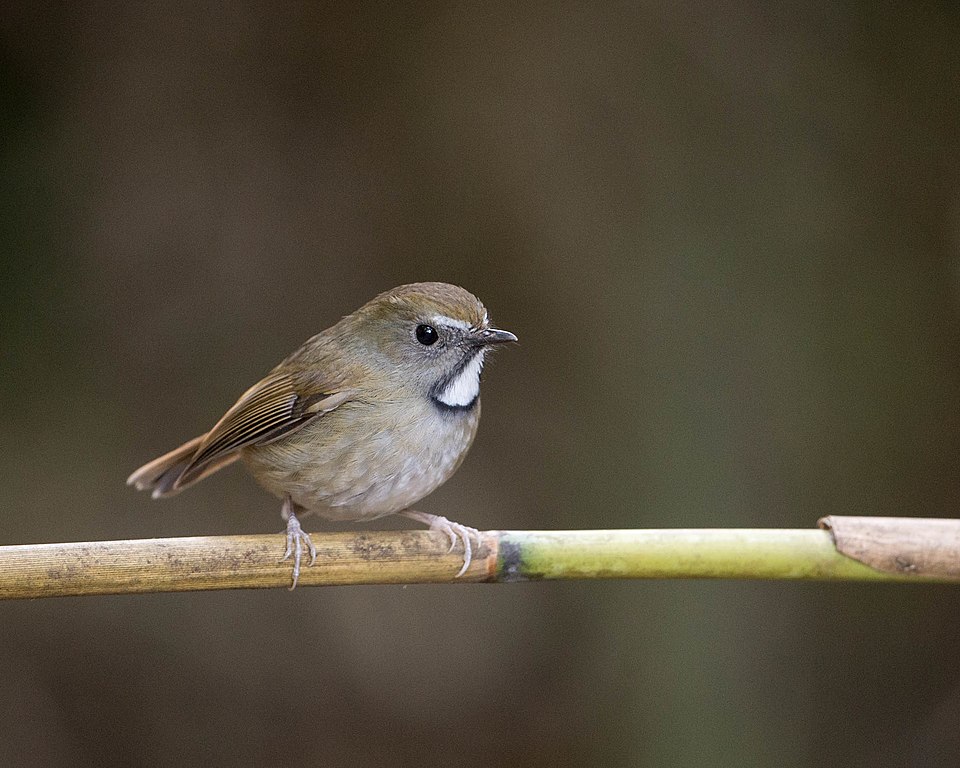
Cyprus Wheatear
Oenanthe cypriaca
Order: Passeriformes / Family: Muscicapidae

Wikimedia Commons
About the Cyprus Wheatear
The Cyprus Wheatear (Oenanthe cypriaca) is a small passerine bird that holds particular ecological significance as it is endemic to Cyprus. This bird is a crucial part of the island's natural heritage and demonstrates the unique biodiversity present in the Mediterranean region. Notably, the Cyprus Wheatear occupies various habitats across the island, including open scrublands, rocky hillsides, and agricultural fields. Its presence is a testament to the diverse ecosystems of Cyprus. The Cyprus Wheatear plays a significant role in controlling insect populations. As an insectivorous bird, it helps maintain the ecological balance within its habitat by preying on a variety of insects, thus contributing to pest control in agricultural areas. Its migratory patterns align with the changing seasons, with the bird spending the breeding season in Cyprus from April to September before migrating to wintering grounds in eastern Africa. During the breeding season, the Cyprus Wheatear is a prominent feature in its habitat, displaying territorial and courtship behaviors. Its distinct vocalizations and striking plumage make it an easily recognizable species for birders visiting the island. Conservationists consider the Cyprus Wheatear a species of least concern, yet its restricted range makes it vulnerable to habitat changes and degradation. Efforts to monitor its population trends and ensure the preservation of its habitat are vital to maintaining its status. As a flagship species for Cyprus, the Cyprus Wheatear holds cultural and ecological importance, symbolizing the island's rich avian diversity.
The Cyprus Wheatear belongs to the family Muscicapidae, within the order Passeriformes. These birds typically live average 3-4 years with max recorded 6 years..
How to Identify a Cyprus Wheatear
The Cyprus Wheatear is a medium-sized songbird with distinct plumage that makes it relatively easy to identify in the field. Adult males and females share similar plumage characteristics, predominantly black and white, which is striking against the landscape. The head, back, and wings are mostly black, creating a stark contrast with the white underparts and rump. This contrast is particularly noticeable during flight when the white rump and tail pattern become prominent. Juvenile Cyprus Wheatears exhibit more muted coloration with browner tones and less distinct markings, but they gradually acquire the adult plumage as they mature. The absence of strong sexual dimorphism means that males and females are difficult to distinguish visually. However, careful observation of behavior during the breeding season can provide clues, as males often engage in more conspicuous displays. The Cyprus Wheatear can be confused with the Eastern Black-eared Wheatear (Oenanthe melanoleuca) due to similar plumage patterns, yet the latter has a paler back and different tail patterns. In the field, the Cyprus Wheatear's upright perching posture and frequent tail-flicking behavior are key identification features. When perched, it often chooses exposed locations such as rocks or low shrubs, where its contrasting plumage serves as both camouflage and a territorial signal.
Having trouble telling birds apart? Upload a photo to our bird identification tool for an instant species match.
Cyprus Wheatear Habitat and Range
Preferred Habitat
The Cyprus Wheatear inhabits a range of environments across Cyprus, preferring open landscapes that offer plenty of perching and foraging opportunities. Typical habitats include rocky hillsides, open scrublands, and agricultural fields, where the bird can easily hunt for insects. Elevation varies, with the species found from sea level up to mountainous regions, depending on food availability and nesting sites. Seasonal shifts in habitat preference occur, particularly during migration, when the bird may be seen in more diverse environments. The Cyprus Wheatear has a notable presence in rural landscapes where traditional farming practices maintain suitable habitats. In contrast, urban areas see less of this species, as it generally avoids densely populated regions. Conservation of open countryside and maintenance of semi-natural areas are important to support its habitat needs throughout the year.
Geographic Range
The Cyprus Wheatear is endemic to Cyprus, where it breeds exclusively from April to September. During the breeding season, it is widespread across the island, occupying a variety of habitats suitable for nesting and foraging. After breeding, the Cyprus Wheatear undertakes a long migration to its wintering grounds in eastern Africa, including countries like Sudan and Ethiopia. Migration corridors are thought to include the eastern Mediterranean and the Middle East, where the birds make stopovers to rest and refuel. While in Africa, the Cyprus Wheatear occupies similar open habitats, allowing it to continue its insectivorous diet. Population density hotspots in Cyprus include areas with abundant insect life and suitable nesting sites. Understanding the full migratory route and wintering behavior remains an area of ongoing research, crucial for conservation planning.
Want to know which birds visit your area? Browse our backyard birds by location guides for region-specific species lists.
What Does the Cyprus Wheatear Eat?
The Cyprus Wheatear primarily feeds on a wide range of insects and other invertebrates, making it an important insectivore in its ecosystem. Its diet includes beetles, ants, caterpillars, and grasshoppers, which it captures with agility and precision. Seasonal changes in prey availability influence its diet, with larger insects often consumed during the warmer months. Foraging techniques involve perch-and-sally hunting, where the bird perches on an elevated spot to scan for prey before making short, swift flights to capture it. The Cyprus Wheatear's hunting strategy is well-adapted to its open habitat, allowing it to exploit various prey sizes effectively. Feeding is primarily diurnal, occurring throughout daylight hours, but peak activity often coincides with cooler morning and late afternoon periods. During migration, the bird adapts to available food sources, demonstrating flexibility in its diet.
Cyprus Wheatear Behavior and Social Structure
The Cyprus Wheatear exhibits a range of behaviors that reflect its adaptation to its environment and life cycle. It is generally seen as a solitary bird or in pairs during the breeding season, with males defending territories through song and display. Territorial behavior includes singing from prominent perches and performing aerial displays to deter intruders. Courtship involves males showcasing their plumage and vocal abilities to attract females and establish pair bonds. Outside the breeding season, the Cyprus Wheatear becomes more social, especially during migration, when it may form loose flocks. These flocks can consist of several individuals, providing increased protection against predators during the vulnerable migration period. The bird shows a typical daily activity pattern, with peak foraging and social activities occurring in the cooler parts of the day, avoiding the intense midday heat. The Cyprus Wheatear responds to predators with alarm calls and evasive flight, leveraging its agility to escape threats. Understanding its behavioral ecology provides insights into its survival strategies and success in diverse environments.
Cyprus Wheatear Nesting and Reproduction
Cyprus Wheatears construct cup-shaped nests, using grasses, twigs, and other plant materials, often lined with softer substances like feathers or wool. They typically situate their nests in sheltered locations such as rock crevices, low shrubs, or even in man-made structures like stone walls. Nesting sites are chosen for protection from both predators and environmental elements. The clutch size usually ranges from 3 to 5 eggs, which the female incubates for about 12 to 14 days. Both parents share responsibilities for feeding and caring for the chicks. After hatching, the fledging period lasts approximately 14 to 16 days, during which the chicks develop under the attentive care of both parents. The Cyprus Wheatear often raises one to two broods per year, depending on food availability and environmental conditions. The choice of nesting sites reflects the bird's adaptability and its need for specific microhabitats to ensure reproductive success.
Cyprus Wheatear Sounds and Vocalizations
The Cyprus Wheatear is known for its melodious song, characterized by a series of varied whistles and trills. The song is a key component of the male's territorial and courtship displays, often delivered from exposed perches to maximize its reach. In addition to its primary song, the Cyprus Wheatear produces various call notes, including short, sharp alarm calls used to warn of approaching predators. These alarm calls are distinct and can be heard over considerable distances. During the dawn chorus, the Cyprus Wheatear's song blends harmoniously with those of other songbirds, creating a rich auditory tapestry typical of Mediterranean landscapes. The vocalizations serve multiple purposes, from claiming territory to strengthening pair bonds, making them a central aspect of the bird's behavior.
Interesting Facts About the Cyprus Wheatear
- 1The Cyprus Wheatear is one of only a few bird species endemic to Cyprus, highlighting the island's unique biodiversity.
- 2Despite its restricted breeding range, the Cyprus Wheatear travels over 5,000 kilometers to its wintering grounds in eastern Africa.
- 3The Cyprus Wheatear's plumage changes seasonally, becoming slightly duller during migration to enhance camouflage.
- 4This bird plays a pivotal role in controlling insect populations, particularly in agricultural areas, aiding farmers naturally.
- 5Research into the Cyprus Wheatear's migration patterns continues to reveal surprising stopover sites critical for its journey.
- 6While similar to other wheatears, the Cyprus Wheatear's distinct song and behavior make it a favorite among birdwatchers.
- 7The Cyprus Wheatear's adaptability to various habitats showcases its resilience, a trait crucial for its survival on a changing island.
Cyprus Wheatear Conservation Status
The Cyprus Wheatear is currently listed as Least Concern by the IUCN, with a stable population trend. However, its limited breeding range on Cyprus makes it inherently vulnerable to habitat loss and environmental changes. Primary threats include urbanization, agricultural intensification, and habitat fragmentation. Conservation efforts focus on preserving traditional agricultural landscapes and natural habitats that support the Cyprus Wheatear's ecological needs. Historical population data suggest stability, but ongoing monitoring is essential to detect any potential changes that could indicate emerging threats. Conservationists advocate for policies that balance human development with biodiversity conservation to ensure the long-term survival of this iconic species.