
Dark-sided Flycatcher
Muscicapa sibirica
Order: Passeriformes / Family: Muscicapidae

Wikimedia Commons
About the Dark-sided Flycatcher
The Dark-sided Flycatcher, known scientifically as Muscicapa sibirica, is a charming little bird that occupies a significant niche in the forest ecosystems of Asia. Characterized by its subtle but striking plumage, this flycatcher is primarily found in mixed and coniferous forests across its range. It plays a crucial role in controlling insect populations, serving as a natural pest regulator. The Dark-sided Flycatcher is particularly prevalent in regions such as Siberia, the Himalayas, and extends into parts of Southeast Asia during winter months. Its presence is not only indicative of a healthy forest ecosystem but also contributes to the ecological balance by participating in seed dispersal indirectly through its predation on seed-carrying insects. This bird is known for its migratory behavior, breeding in the northern parts of Asia and migrating to warmer climes as winter approaches. The flycatcher’s adaptability to different forest habitats makes it a resilient species, capable of thriving in both dense woodlands and more open forest edges. It is a solitary bird outside of the breeding season and prefers to perch quietly, often going unnoticed due to its understated coloration. Despite its quiet demeanor, the Dark-sided Flycatcher plays an incredibly dynamic role in its ecosystem. Its seasonal movements, from breeding grounds in the temperate zones to tropical wintering areas, highlight its adaptability and the broad ecological connections it maintains. This bird is a member of the Muscicapidae family, known for their adept fly-catching skills and agile flight patterns, which are essential for capturing its insect prey. The Dark-sided Flycatcher is not only integral to the avian biodiversity of its range but also a subject of interest for ornithologists and birdwatchers alike, who appreciate its subtle beauty and ecological significance.
The Dark-sided Flycatcher belongs to the family Muscicapidae, within the order Passeriformes. These birds typically live average 3 years, with a maximum recorded of 7 years..
How to Identify a Dark-sided Flycatcher
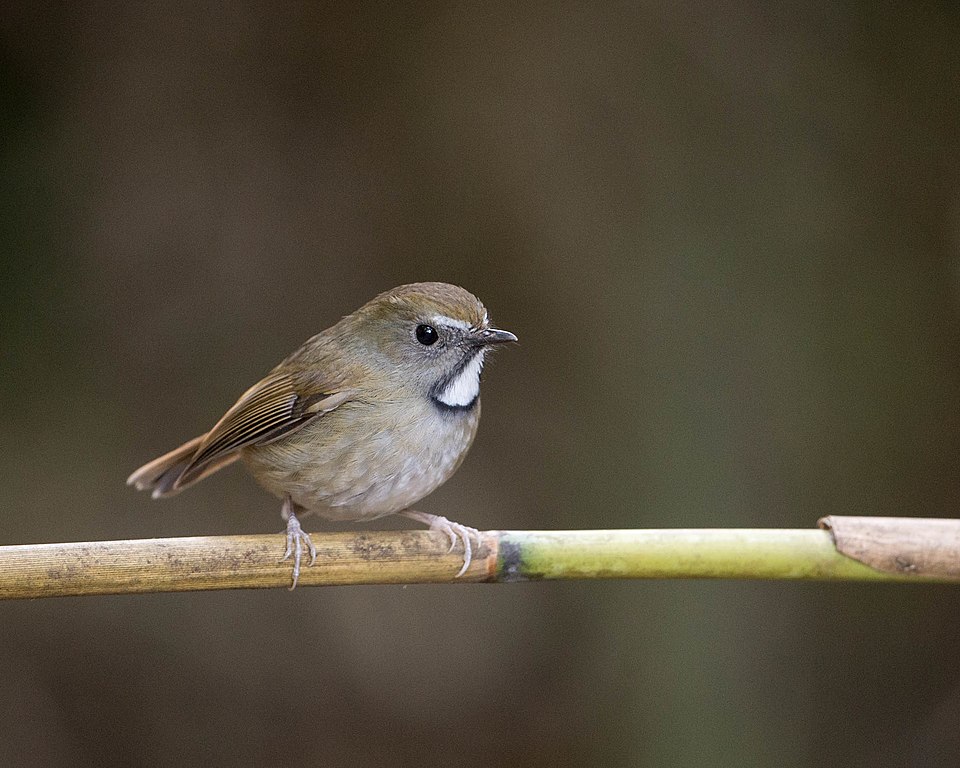
The Dark-sided Flycatcher is a small bird, approximately 13-14 cm in length, with a wingspan ranging between 20-24 cm. Adult plumage is characterized by a brownish-grey upper body, with a pale grey throat and breast that exhibit distinct dusky streaking-a key identifying feature. The belly is white, providing a subtle contrast with the darker breast. Juveniles resemble adults but tend to have a more speckled appearance on their upperparts, which gradually transitions into the adult's more uniform coloration. Males and females appear similar, making gender identification in the field somewhat challenging without close observation during breeding displays. A similar species that could cause confusion is the Asian Brown Flycatcher, but the latter lacks the pronounced dark-sided streaking on the breast. The flight silhouette of the Dark-sided Flycatcher is compact, with short, rounded wings and a relatively short tail, traits that aid its agile flying and hovering abilities. When perched, it often adopts an upright posture, making short sallies to capture insects before returning to its perch.
Having trouble telling birds apart? Upload a photo to our bird identification tool for an instant species match.
Dark-sided Flycatcher Habitat and Range
Preferred Habitat
The Dark-sided Flycatcher predominantly inhabits mixed and coniferous forests, often favoring areas with dense undergrowth. It is commonly found at elevations ranging from 1,000 to 3,500 meters, depending on the region and season. During the breeding season, it prefers cooler, temperate forests in areas such as Siberia and the Himalayas. In winter, it migrates to lower elevations and slightly warmer climates in Southeast Asia, including countries like Thailand, Malaysia, and Indonesia. While primarily a forest dweller, this bird also occasionally ventures into more open woodland and edge habitats, particularly during migration. Urban presence is minimal, and it is seldom found in heavily populated areas, preferring the tranquility and ample food supply found in rural forested regions.
Geographic Range
The breeding range of the Dark-sided Flycatcher spans across a large swath of northern Asia, from Siberia to the northeastern parts of China. During the non-breeding season, it migrates to Southeast Asia, with significant numbers wintering in countries such as Thailand, Malaysia, Myanmar, and Indonesia. Migration corridors typically pass through East Asia, with birds often stopping in China and Japan. Population density is typically highest in prime breeding habitats, with noticeable concentrations in the rich forested areas of the Himalayas. Wintering grounds see a more dispersed population, with individuals spread across a wider area in search of suitable habitats with plentiful food.
Want to know which birds visit your area? Browse our backyard birds by location guides for region-specific species lists.
What Does the Dark-sided Flycatcher Eat?
The Dark-sided Flycatcher's diet primarily consists of small flying insects, which it adeptly catches in mid-air using its agile flight techniques. During the breeding season, when insect availability peaks, it focuses on a diet rich in flies, beetles, and moths. As seasons change and it migrates, the flycatcher adapts its diet to include a wider variety of insects, as well as small spiders. Its hunting strategy involves perching quietly before making quick sallies to capture prey, often returning to the same perch multiple times. This feeding schedule is most active during dawn and dusk, aligning with peak insect activity. The flycatcher's prey size typically ranges from 3 to 10 millimeters, allowing it to efficiently manage energy expenditure while maximizing nutritional intake.
Dark-sided Flycatcher Behavior and Social Structure
The Dark-sided Flycatcher is typically solitary, especially outside the breeding season, displaying a territorial nature during its time in the breeding grounds. Males establish and defend small territories through song and occasional physical displays. Courtship involves males performing subtle aerial displays and singing to attract females. During migration and in winter, these birds may be seen in loose flocks, though they generally maintain a degree of individual space. When faced with predators, the flycatcher exhibits evasive flight patterns and seeks cover in dense foliage. It is diurnal, with peak activity occurring in the early morning and late afternoon, coinciding with the availability of its insect prey.
Dark-sided Flycatcher Nesting and Reproduction
Dark-sided Flycatchers build open cup-shaped nests, often hidden among the branches of trees or in shrubs. The nests are constructed from a variety of materials, including grass, moss, and lichens, providing both camouflage and insulation. Preferred nesting sites are usually at a height of 2 to 10 meters above ground, chosen for both safety from predators and proximity to food sources. Females lay clutches of 3 to 5 eggs, with an incubation period lasting about 14 days. Both parents participate in feeding the fledglings, which fledge approximately 14 to 16 days after hatching. Typically, this species raises only one brood per year, given the relatively short breeding season in its northern habitats.
Dark-sided Flycatcher Sounds and Vocalizations
The primary song of the Dark-sided Flycatcher is a soft, melodious series of whistles, often described as a subdued 'twee-twee-twee.' These whistles are clear and musical, with a rhythm that can be likened to a gentle stream. The bird's call notes include a sharp 'tick' sound, used primarily for communication between individuals. Alarm calls are more abrupt and harsh, serving as warnings to both conspecifics and potential predators. During the dawn chorus, the Dark-sided Flycatcher contributes a subtle, yet important voice, its song mingling with the diverse array of other forest birds.
Interesting Facts About the Dark-sided Flycatcher
- 1The Dark-sided Flycatcher can travel up to 7,000 kilometers from its breeding grounds to its wintering habitat.
- 2This flycatcher is particularly elusive, often blending seamlessly into its forest surroundings due to its muted plumage.
- 3Dark-sided Flycatchers are known to have high site fidelity, often returning to the same breeding territory year after year.
- 4Despite its relatively small size, this bird can live up to 8 years in the wild, given suitable conditions.
- 5During migration, Dark-sided Flycatchers have been observed to navigate using both visual landmarks and the Earth's magnetic field.
- 6In some regions, these flycatchers are among the earliest migrants to return, arriving as early as April.
- 7The species' scientific name, Muscicapa sibirica, alludes to its extensive range stretching across Siberia.
Dark-sided Flycatcher Conservation Status
The Dark-sided Flycatcher is currently listed as Least Concern by the IUCN, with a stable population trend across its range. However, like many forest-dependent species, it faces threats from habitat loss due to deforestation and land conversion. Conservation efforts in key breeding and wintering areas focus on preserving forest habitats and mitigating deforestation impacts. Historically, the population has remained stable, though localized declines have been noted in regions experiencing significant habitat disturbance. Continued monitoring and habitat preservation are essential for maintaining its stable status.
Other Muscicapidae Species


Birds Similar to the Dark-sided Flycatcher
These species are often confused with the Dark-sided Flycatcher due to similar appearance or overlapping range.

