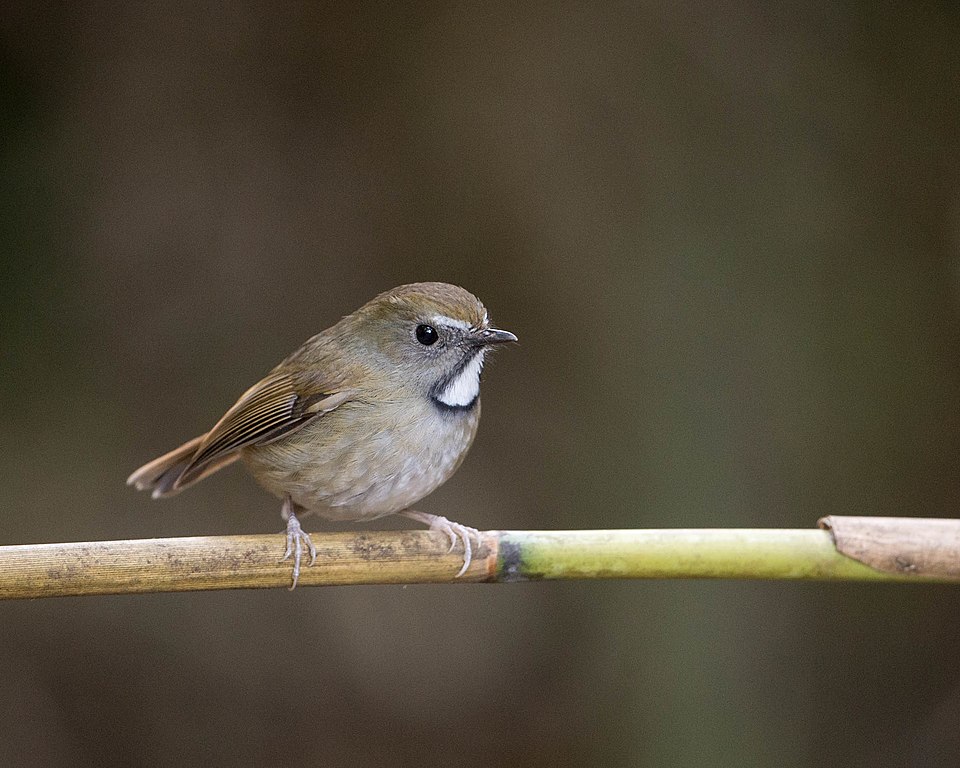
Erithacus hachisukae
Erithacus hachisukae
Order: Passeriformes / Family: Muscicapidae
About the Erithacus hachisukae
The Amami thrush, known scientifically as Erithacus hachisukae, is a rare and beautiful songbird endemic to the subtropical forests of the Amami Islands in Japan. This bird belongs to the Muscicapidae family, which includes many of the world's most melodious and captivating avian singers. The Amami thrush is particularly significant due to its restricted range, found only on the islands of Amami Oshima and Kakeroma, where it inhabits dense forest regions that provide ample cover and an abundance of food resources. Its ecological role on these islands is crucial, as it helps control insect populations and contributes to seed dispersal, aiding in the maintenance of forest health.
The Amami thrush is renowned for its vibrant plumage and enchanting song, traits that make it a favorite among birdwatchers fortunate enough to catch a glimpse of this elusive creature. Its presence is a key indicator of the health of its forest ecosystem, as it thrives in well-preserved natural habitats with minimal human disturbance. The thrush's role as both a predator of insects and a disperser of seeds underscores its importance in maintaining the ecological balance within its habitat.
Seasonally, the Amami thrush exhibits limited migratory behavior, as it primarily remains within its island habitat throughout the year. However, it may shift altitudinally, moving to higher elevations during the breeding season to take advantage of cooler temperatures and abundant nesting sites. This seasonal movement helps the species avoid competition for resources and ensures successful reproduction. The conservation of its forest environment is critical, as habitat loss poses a significant threat to its survival. As a flagship species for conservation efforts on the Amami Islands, the protection of the Amami thrush and its habitat is essential for preserving the rich biodiversity of this unique region.
The Erithacus hachisukae belongs to the family Muscicapidae, within the order Passeriformes. These birds typically live Average lifespan is not well-documented due to rarity..
How to Identify a Erithacus hachisukae
The Amami thrush is a medium-sized songbird characterized by its striking appearance and distinctive song. Adult males have a vibrant orange breast and throat, contrasting sharply with their grayish-brown upperparts and wings. Their belly is white, providing a clear demarcation from the orange breast. Females and juveniles are similar in appearance but tend to have duller plumage, with the females exhibiting a more subdued orange and a browner back. This sexual dimorphism, though subtle, can aid in distinguishing males from females in the field.
In terms of flight silhouette, the Amami thrush exhibits a fairly typical thrush profile with its slightly rounded wings and medium-length tail. When perched, it often adopts an upright posture, displaying its colorful breast prominently. This posture, combined with its bright coloration, makes it a standout against the lush green backdrop of its forest habitat.
The Amami thrush can be confused with other thrush species, particularly those within the same geographic range. However, its distinctive bright orange breast and the specific tonal quality of its song set it apart from related species. Observers should note these key field marks and vocal characteristics to accurately identify the Amami thrush.
Having trouble telling birds apart? Upload a photo to our bird identification tool for an instant species match.
Erithacus hachisukae Habitat and Range
Preferred Habitat
The Amami thrush inhabits the subtropical forests of the Amami Islands, primarily found on Amami Oshima and Kakeroma. These forests are characterized by dense undergrowth, abundant canopy cover, and a rich diversity of plant and animal life, providing an ideal environment for the thrush. The bird favors mature forests with a complex structure, as these areas offer plentiful food resources and suitable nesting sites.
The elevation range for the Amami thrush varies, with individuals typically found from sea level up to the lower montane zones, approximately 500 meters above sea level. During the breeding season, the thrush may move to higher elevations within this range, seeking cooler climates and minimizing competition for resources.
While the Amami thrush is primarily associated with forested areas, it can occasionally be observed in rural and semi-urban environments, provided there is sufficient tree cover and minimal human disturbance. Seasonal habitat shifts are generally minimal, although some altitudinal movement occurs during breeding.
Geographic Range
The Amami thrush has a highly restricted range, endemic to the Amami Islands of Japan. It primarily breeds and resides on Amami Oshima and Kakeroma, two islands that provide the dense forest habitat necessary for its survival. These islands lie within the Ryukyu Archipelago, between the Japanese mainland and Taiwan, an area known for its rich biodiversity and high levels of endemism.
During the breeding season, the Amami thrush occupies the higher elevations of these islands, taking advantage of the cooler temperatures and abundant nesting sites. In the non-breeding season, it remains within its island range but may descend to lower elevations, where food resources are more plentiful and varied.
Population density hotspots are concentrated within the well-preserved forest regions of these islands. The limited range and specific habitat requirements of the Amami thrush make it vulnerable to habitat loss and environmental changes, emphasizing the importance of targeted conservation efforts to protect its native environment.
Want to know which birds visit your area? Browse our backyard birds by location guides for region-specific species lists.
What Does the Erithacus hachisukae Eat?
The diet of the Amami thrush is diverse, consisting primarily of insects, seeds, and berries. As an insectivore, it actively forages for beetles, caterpillars, and other arthropods, which constitute the bulk of its diet during the breeding season. This protein-rich diet supports the increased energy demands associated with reproduction and chick rearing.
In addition to insects, the Amami thrush consumes a variety of fruits and seeds, particularly during the non-breeding season when insect abundance decreases. Berries and small fruits from native plant species provide essential vitamins and nutrients, helping the thrush maintain its health and energy levels year-round.
The thrush employs a variety of foraging techniques, including ground foraging and gleaning insects from foliage. It is often observed hopping along the forest floor, flipping leaves and debris in search of hidden prey. This behavior, combined with its occasional sallying flights to capture flying insects, demonstrates its adaptability in exploiting different food sources. Feeding typically occurs during daylight hours, with peak activity in the early morning and late afternoon when prey is most accessible.
Erithacus hachisukae Behavior and Social Structure
The Amami thrush exhibits a range of behaviors characteristic of its status as a songbird. It is generally solitary or found in pairs, particularly during the breeding season when it becomes highly territorial. Males vigorously defend their territories through song and visual displays, often perching conspicuously to sing and ward off potential intruders.
Courtship displays involve a combination of song and physical displays, with males showcasing their vibrant plumage and performing short flights to attract females. Once paired, both male and female participate in territory defense, ensuring optimal conditions for raising their young.
While the Amami thrush is generally solitary, it may join mixed-species flocks during the non-breeding season, taking advantage of increased foraging efficiency and predator vigilance. Its response to predators involves alarm calls and seeking cover in dense foliage, utilizing the forest's natural protection.
Daily activity patterns of the Amami thrush are largely diurnal, with peak activity during the cooler parts of the day, aligning with the availability of prey. Its territorial and solitary nature, coupled with its distinct song, makes it a compelling subject for observation by bird enthusiasts.
Erithacus hachisukae Nesting and Reproduction
The nesting habits of the Amami thrush reflect its adaptation to its forest habitat. Nests are typically constructed in dense foliage, often at mid to low heights in trees or shrubs. The female primarily builds the nest, using materials such as twigs, leaves, and moss to create a sturdy structure that provides protection from predators and environmental elements.
Clutch size ranges from two to four eggs, with the female responsible for the majority of the incubation period, which lasts approximately 12 to 14 days. During this time, the male provides food and protection to the female, ensuring she remains nourished and safe.
Once hatched, the altricial chicks remain in the nest for about 10 to 14 days, during which both parents actively feed and care for them. The high nutrient demand during this period necessitates frequent foraging trips by both parents.
Typically, the Amami thrush raises one to two broods per year, depending on environmental conditions and food availability. The care and protection of the young thrushes are vital to the continuation of the species, given its limited range and specialized habitat requirements.
Erithacus hachisukae Sounds and Vocalizations
The Amami thrush is known for its melodious and varied song, which consists of a series of rich, flute-like notes interspersed with trills and whistles. The song's rhythm is typically slow and deliberate, with a mellow quality that resonates through the forest. These vocalizations serve multiple purposes, including territory defense and mate attraction.
In addition to its primary song, the Amami thrush produces a variety of call notes, including sharp, repeated 'chuk' sounds used as contact calls between individuals or to signal alarm. Alarm calls are more abrupt and urgent, alerting other thrushes to potential threats in the area.
The dawn chorus is a particularly notable feature of the Amami thrush's vocal behavior, with males beginning their singing at first light to establish presence and dominance in their territory. The similarity of its song to certain other thrush species can occasionally cause confusion, but the unique tonal quality and pattern of the Amami thrush's song remain distinctive to trained ears.
Interesting Facts About the Erithacus hachisukae
- 1The Amami thrush's song can carry over 200 meters through the dense forest, making it an effective tool for communication.
- 2Despite its limited range, the Amami thrush plays a vital role in seed dispersal, aiding in forest regeneration and biodiversity.
- 3The Amami Islands, home to the Amami thrush, are part of a biodiversity hotspot with several endemic species found nowhere else on Earth.
- 4The Amami thrush's diet varies seasonally, with a higher reliance on insects during the breeding season for protein-rich nutrition.
- 5Males and females share parental duties, showcasing strong cooperation in feeding and protecting their young.
- 6The Amami thrush's bright orange plumage serves as a warning to potential predators of its vigilance and territorial nature.
- 7Conservation efforts for the Amami thrush also benefit other endangered species on the Amami Islands, highlighting the interconnectedness of the ecosystem.
Erithacus hachisukae Conservation Status
The Amami thrush is classified as Vulnerable on the IUCN Red List, with its population declining due to several factors. Habitat loss, primarily due to deforestation and land conversion for agriculture and development, poses the greatest threat to the species. Invasive species, such as rats and snakes, also contribute to nest predation and chick mortality. Conservation efforts focus on habitat preservation and restoration, with key initiatives aimed at protecting the remaining forested areas of the Amami Islands. Legal protection of these areas, combined with efforts to control invasive predators, is crucial to stabilizing and potentially increasing the Amami thrush population. Historically, the population of the Amami thrush has faced fluctuations, with past conservation measures showing some success in halting rapid declines. Continued research and monitoring are essential to understanding the species' needs and ensuring its long-term survival in its native habitat.