Eurasian Wigeon
Mareca penelope
Order: Anseriformes / Family: Anatidae

Wikimedia Commons
About the Eurasian Wigeon
The Eurasian Wigeon (Mareca penelope) is a medium-sized dabbling duck, widely recognized for its distinctive plumage and significant presence across Europe and Asia. This species plays an essential role in the ecological balance of wetland environments. Eurasian Wigeons are often found in shallow freshwater lakes and marshes, reflecting their strong preference for habitats with abundant aquatic vegetation. During the breeding season, they migrate to northern regions such as Scandinavia and Siberia, taking advantage of the long daylight hours to rear their young. In winter, they migrate southwards to more temperate areas, including the British Isles, the Mediterranean, and parts of eastern Asia like Japan and Korea. The Eurasian Wigeon contributes to wetland ecosystems by grazing on aquatic plants, which helps control vegetation growth and provides habitats for various invertebrates. This behavior also helps maintain open water areas, crucial for other waterfowl and aquatic species. Furthermore, as a prey species, they support higher trophic levels, including raptors such as the White-tailed Eagle and mammalian predators like the Red Fox. The Eurasian Wigeon's presence in diverse biogeographic regions highlights its adaptability and ecological importance. This adaptability is evident in their varied diet that shifts seasonally from predominantly plant-based in the winter to including more animal matter, such as insects and crustaceans, during the breeding season. This dietary flexibility allows Eurasian Wigeons to thrive in a range of environments and contributes to their widespread distribution. Understanding the Eurasian Wigeon's ecological role emphasizes the need for conservation efforts to preserve wetland habitats, which are under threat from human activities such as agriculture and urban development.
The Eurasian Wigeon belongs to the family Anatidae, within the order Anseriformes. These birds typically live average lifespan is around 10 years with a maximum recorded of 27 years..
How to Identify a Eurasian Wigeon
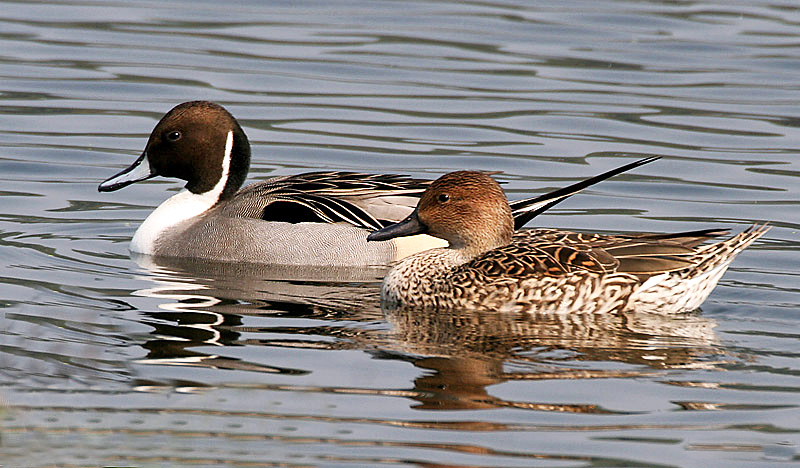
Adult male Eurasian Wigeons are easily identifiable by their rich chestnut heads, contrasted with a cream-colored forehead and a distinctive gray body. Females, while less conspicuous, possess mottled brown plumage that provides excellent camouflage in their natural habitat. Juveniles resemble females but are generally duller in color. During flight, both sexes display a prominent white wing patch, a key field mark distinguishing them from other duck species. The Eurasian Wigeon's compact body, short neck, and rounded head contribute to a distinctive silhouette, aiding identification even at a distance. Their flight is characterized by rapid wingbeats, and they often fly in large, organized groups. When perched, Eurasian Wigeons maintain an upright posture, their heads held high, further aiding in identification. Confusion with other species, such as the American Wigeon, can occur. However, the American Wigeon typically has a more extensive white forehead and a green band through the eye in males. Familiarity with these field marks is crucial for birders aiming to accurately identify the Eurasian Wigeon in diverse habitats.
Having trouble telling birds apart? Upload a photo to our bird identification tool for an instant species match.
Eurasian Wigeon Habitat and Range
Preferred Habitat
The Eurasian Wigeon prefers a variety of wetland habitats, including freshwater lakes, marshes, and rivers with dense vegetation. They are particularly abundant in lowland wetland areas, although they can be found up to 2,000 meters in elevation during migration. Seasonal habitat shifts are common, with breeding occurring in northern tundra wetlands and wintering in temperate coastal marshes. In urban areas, they may frequent parks with large ponds, provided these offer sufficient cover and food resources. In rural settings, they are often seen grazing in agricultural fields adjacent to wetlands. The Eurasian Wigeon's adaptability to various wetland environments underscores its resilience, though it remains dependent on the presence of water bodies with abundant plant life.
Geographic Range
The Eurasian Wigeon's breeding range extends across the northern Palearctic, from Iceland and the British Isles through Scandinavia and Northern Russia to eastern Siberia. During the non-breeding season, they migrate to temperate zones, wintering in regions such as the British Isles, southern Europe, North Africa, and parts of Asia, including China and Japan. They follow well-established migratory corridors, often stopping over at wetlands in Central and Eastern Europe. Population density hotspots during winter include the Wadden Sea and the Camargue region in southern France. Despite their wide range, the Eurasian Wigeon faces varying population pressures across different regions, necessitating international conservation efforts.
Want to know which birds visit your area? Browse our backyard birds by location guides for region-specific species lists.
What Does the Eurasian Wigeon Eat?
The Eurasian Wigeon's diet primarily consists of aquatic plants, such as pondweeds and algae, during the winter months. They feed by dabbling, tipping their bodies to reach submerged vegetation without diving. During the breeding season, their diet diversifies to include more animal matter, such as insects, snails, and small crustaceans, which provide the necessary protein for egg production and chick rearing. Foraging typically occurs during daylight hours, both in water and on land. They are known to graze in grassy areas, especially near water bodies, where they consume shoots and seeds. This flexibility in diet allows the Eurasian Wigeon to adapt to different habitats and seasonal food availability, making them a resilient species.
Eurasian Wigeon Behavior and Social Structure
The Eurasian Wigeon is a highly social species, often seen in large flocks during migration and winter. They exhibit complex social structures and engage in mutual preening and other bonding behaviors. During the breeding season, males perform elaborate courtship displays, involving head nodding and whistling calls to attract females. Territorial behavior is less pronounced than in other duck species, but males may defend small areas around their mates. Eurasian Wigeons are diurnal, with peak activity at dawn and dusk. Their response to predators includes a rapid, cohesive takeoff, often accompanied by alarm calls to alert nearby individuals. This social cohesion and alertness to threats are vital for their survival in the wild.
Eurasian Wigeon Nesting and Reproduction
Eurasian Wigeons nest in well-concealed locations, usually in dense vegetation near water. The female constructs the nest using grasses and down, providing insulation for the eggs. Clutch size typically ranges from 7 to 10 eggs, which the female incubates for approximately 22 to 25 days. The male stays nearby during early incubation but plays no direct role in nesting. After hatching, the precocial chicks leave the nest within a day and follow the female to feeding areas. Fledging occurs at about 40 to 45 days, with parental care continuing until then. Generally, Eurasian Wigeons produce one brood per year, although breeding success can vary with environmental conditions.
Eurasian Wigeon Sounds and Vocalizations
The primary vocalization of the Eurasian Wigeon is a clear, two-note whistle given by males, often described as "whee-you." This sound is most frequently heard during the breeding season and serves as both a courtship call and a contact call within flocks. Females produce a lower, more guttural quack, used in communication with ducklings and mates. Alarm calls are sharp and repetitive, signaling potential threats. Unlike some other duck species, the Eurasian Wigeon does not participate prominently in dawn choruses, but their calls are a familiar sound in wetland habitats across their range.
Interesting Facts About the Eurasian Wigeon
- 1The Eurasian Wigeon can form flocks of several thousand individuals during migration, creating impressive aerial displays.
- 2Despite their name, Eurasian Wigeons occasionally stray to North America, with rare sightings recorded along the Atlantic coast.
- 3Eurasian Wigeons have specialized lamellae in their beaks to filter small invertebrates and plant matter from the water.
- 4The male Eurasian Wigeon's whistle is so distinct that it can be used to identify the species without a visual confirmation.
- 5During winter, Eurasian Wigeons often graze alongside grazing geese, benefiting from the geese's plant-eating habits.
- 6Eurasian Wigeons sometimes hybridize with American Wigeons, resulting in birds with mixed plumage characteristics.
- 7The Eurasian Wigeon's ability to exploit urban parks with water bodies demonstrates its adaptability to human-altered landscapes.
Eurasian Wigeon Conservation Status
The Eurasian Wigeon is currently listed as Least Concern by the IUCN, with populations generally stable, although some regional declines have been noted. Primary threats include habitat loss due to wetland drainage and agricultural expansion, as well as pollution and climate change. Conservation efforts focus on protecting key wetland habitats and monitoring populations through international agreements like the African-Eurasian Waterbird Agreement (AEWA). Historically, populations have fluctuated with environmental changes, but recent conservation measures aim to mitigate human impact and ensure the species' long-term viability.
Other Anatidae Species


Birds Similar to the Eurasian Wigeon
These species are often confused with the Eurasian Wigeon due to similar appearance or overlapping range.