
Collared Flycatcher
Ficedula albicollis
Order: Passeriformes / Family: Muscicapidae

Wikimedia Commons
About the Collared Flycatcher
The Collared Flycatcher, Ficedula albicollis, is a small passerine bird belonging to the family Muscicapidae. It is primarily known for its striking black-and-white plumage, making it one of the most visually distinct members of its genus. This species is a migratory bird, with a breeding range primarily across central and eastern Europe, extending as far north as southern Sweden and as far east as Ukraine. During the non-breeding season, it migrates to sub-Saharan Africa, showcasing a remarkable adaptation to diverse climates and habitats. The Collared Flycatcher plays a significant ecological role as an insectivore, helping control insect populations in its breeding and wintering habitats. Its presence indicates a healthy ecosystem, as it thrives in mature deciduous and mixed forests. The flycatcher's seasonal migration and breeding behaviors are key areas of study for ornithologists, offering insights into migration patterns and habitat preferences. Its preference for nesting in holes and cavities often brings it into contact with other cavity-nesters, sometimes resulting in competition for nesting sites. Despite this, the Collared Flycatcher is adaptable, often utilizing nest boxes provided by conservationists to mitigate competition. Observations of its migratory routes indicate a high degree of fidelity to breeding sites, with individuals returning to the same location year after year. This site fidelity is a fascinating aspect of its behavior, reflecting the bird's reliance on specific ecological conditions. The Collared Flycatcher demonstrates a preference for forests with a high degree of structural complexity, which provides ample foraging opportunities and nesting sites. During migration, it may be found in a variety of habitats, including riparian woodlands and urban parks, though it shows a marked preference for natural forested areas. Conservation efforts focus on preserving its breeding habitats and ensuring safe migratory corridors, as habitat loss poses a significant threat to its populations. Efforts are also directed towards monitoring populations to track any shifts in distribution due to climate change or habitat alteration. The Collared Flycatcher's vibrant plumage and dynamic behaviors make it a favorite among birdwatchers and a species of interest for ecological studies.
The Collared Flycatcher belongs to the family Muscicapidae, within the order Passeriformes. These birds typically live average 3 years with a maximum recorded of 6 years..
How to Identify a Collared Flycatcher
Adult male Collared Flycatchers are striking with their stark black-and-white plumage. The head, back, and tail are black, while the underparts are white. A distinctive white patch on the forehead and a white collar around the neck make them unmistakable. Females and juveniles, however, exhibit a more subdued appearance. Females have a browner hue to their black areas, and their white collar is less pronounced. Juveniles resemble females but feature more mottled brown on the upper parts. The Collared Flycatcher can be confused with the Pied Flycatcher, but the latter lacks the complete white collar and has more grayish tones. In flight, the Collared Flycatcher displays a rapid wingbeat and a slightly undulating flight pattern, characteristic of the flycatcher family. When perched, these birds often adopt an upright posture, scanning for insect prey with quick, darting head movements. Observers should note the bird's behavior of returning to the same perch after sallying for insects, a key identifier of flycatcher species.
Having trouble telling birds apart? Upload a photo to our bird identification tool for an instant species match.
Collared Flycatcher Habitat and Range
Preferred Habitat
The Collared Flycatcher predominantly inhabits mature deciduous and mixed forests, favoring areas with abundant old trees that offer suitable nesting cavities. In the breeding season, it can be found in oak, beech, and hornbeam woodlands across Europe. It shows a preference for lowland regions but can also be found at elevations up to 1,500 meters in suitable mountainous areas. Outside the breeding season, during migration, it may be seen in a variety of habitats including riparian woodlands and urban parks, although it typically avoids open fields and heavily urbanized environments. The species' dependence on mature forests makes it vulnerable to deforestation, highlighting the importance of forest conservation for its continued survival.
Geographic Range
The breeding range of the Collared Flycatcher extends across central and eastern Europe. Key countries include Germany, Poland, Hungary, and the Czech Republic, with smaller populations in Sweden and parts of the Baltic states. During migration, it travels through multiple countries, often using well-established corridors to reach its wintering grounds in sub-Saharan Africa, particularly in countries like Nigeria, Cameroon, and the Democratic Republic of Congo. The species is a long-distance migrant, covering thousands of kilometers between its breeding and wintering ranges. Population density tends to be higher in regions with extensive deciduous forests, such as the Carpathians and the Balkans.
Want to know which birds visit your area? Browse our backyard birds by location guides for region-specific species lists.
What Does the Collared Flycatcher Eat?
The Collared Flycatcher primarily feeds on insects, making it a key player in controlling insect populations in its habitats. Its diet includes a variety of insects such as beetles, flies, and caterpillars. During the breeding season, the abundance of caterpillars provides a rich food source for both adults and their chicks. The bird actively forages by sallying from perches to catch insects in mid-air or gleaning them from foliage. In late summer and autumn, it may supplement its diet with berries and small fruits as insect availability decreases. This dietary flexibility is crucial for its survival during migration and in its overwintering habitats.
Collared Flycatcher Behavior and Social Structure
The Collared Flycatcher exhibits a range of behaviors that are fascinating to observe. It is a territorial bird, especially during the breeding season, when males establish and defend their territories with song and displays. Courtship involves a series of elaborate displays, including wing fluttering and singing, as males attempt to attract females. The species is generally monogamous, although instances of polygyny have been recorded. During migration, Collared Flycatchers often travel alone or in small groups. They are diurnal, with peak activity in the early morning and late afternoon. When faced with predators, they employ mobbing behavior, often teaming up with other small birds to harass the intruder. This social behavior extends to their interactions with other flycatchers and small passerines, especially during migration.
Collared Flycatcher Nesting and Reproduction
The Collared Flycatcher prefers to nest in natural cavities found in old trees, but it readily accepts nest boxes. The nest is a loose cup made of grass, leaves, and feathers. Females lay 5-7 eggs, which they incubate for about 12-14 days. Both parents participate in feeding the chicks, which fledge 16-18 days after hatching. The species typically raises one brood per year, though in optimal conditions, a second brood might occur. Parental care continues for several weeks post-fledging, ensuring the young birds develop necessary survival skills.
Collared Flycatcher Sounds and Vocalizations
The primary song of the Collared Flycatcher is a series of melodious whistles and trills, often described as a 'tswee-tswee-tswee' sequence followed by a jumble of notes. This song is most prevalent during the breeding season when males sing to attract mates and establish territories. The call notes are short and sharp, used for communication between mates and as alarm calls. During the dawn chorus, the Collared Flycatcher can be heard performing its full repertoire, adding to the symphony of sounds in its forest habitat.
Interesting Facts About the Collared Flycatcher
- 1The Collared Flycatcher is capable of migrating over 5,000 kilometers between its breeding and wintering grounds.
- 2Researchers have found that male Collared Flycatchers prefer to reuse the same nest sites year after year, demonstrating site fidelity.
- 3The bird's distinctive black-and-white plumage plays a role in territorial displays and mate attraction during the breeding season.
- 4Collared Flycatchers often compete with other cavity-nesting birds like the European Pied Flycatcher for nesting sites.
- 5Studies show that Collared Flycatchers can adjust their breeding times in response to changes in food availability, reflecting their adaptability.
- 6The Collared Flycatcher is among the earliest migratory birds to leave Europe for Africa, typically departing by late August.
- 7Males with larger white patches on their foreheads tend to attract more mates, indicating a link between plumage and reproductive success.
Collared Flycatcher Conservation Status
The Collared Flycatcher is currently listed as Least Concern by the IUCN, with stable population trends in most regions. However, habitat loss due to deforestation and land-use changes pose significant threats. Conservation efforts focus on preserving mature forest habitats and providing nest boxes to offset the loss of natural cavities. Monitoring programs track population changes and migration patterns to better understand the impact of environmental changes on this species.
Other Muscicapidae Species
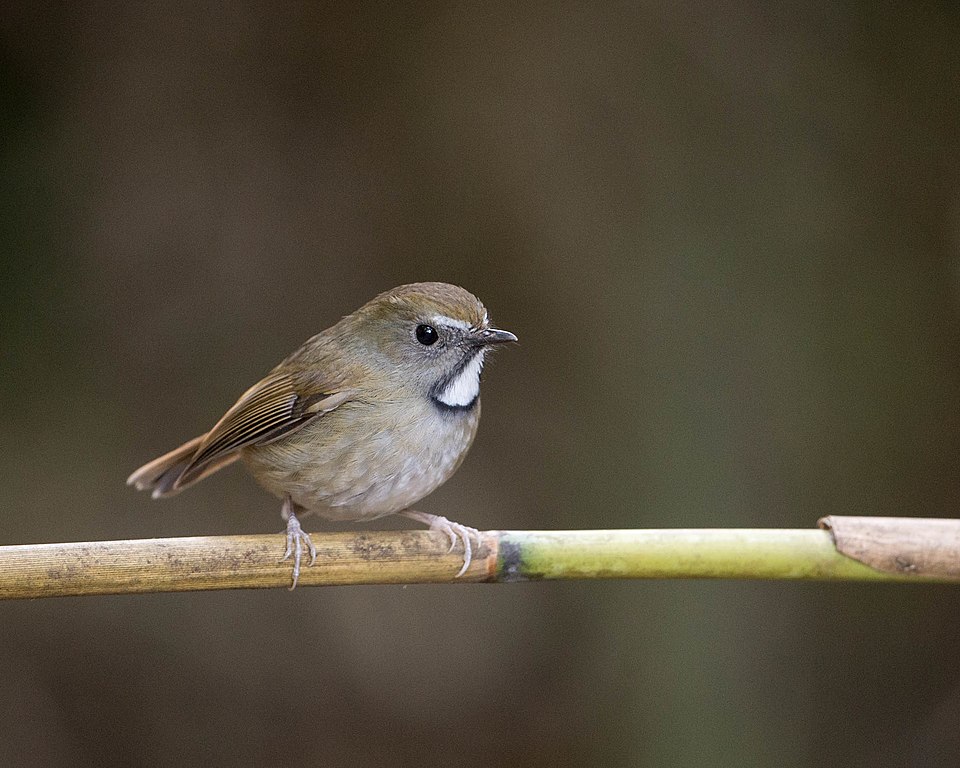


Birds Similar to the Collared Flycatcher
These species are often confused with the Collared Flycatcher due to similar appearance or overlapping range.
