
Finsch's Wheatear
Oenanthe finschii
Order: Passeriformes / Family: Muscicapidae

Wikimedia Commons
About the Finsch's Wheatear
The Finsch's Wheatear (Oenanthe finschii) is a striking passerine bird belonging to the family Muscicapidae and is well-adapted to the arid and rocky terrains of its range. This bird is predominantly found in regions such as the eastern Mediterranean, extending its presence into parts of the Middle East and Central Asia. It is particularly prevalent in countries like Turkey, Iran, and Afghanistan, where it occupies a niche in open landscapes. The Finsch's Wheatear plays a crucial role in its ecosystem as an insectivore, helping to control insect populations in these arid environments. Its preference for dry, rocky habitats allows it to exploit areas where few other bird species thrive, contributing to the ecological balance by reducing insect overpopulation. Seasonally, the Finsch's Wheatear exhibits migratory behavior, moving to lower altitudes or slightly warmer regions during harsher winter months. This adaptability is essential for its survival, as it allows the species to avoid the most extreme weather conditions while still maintaining access to its primary food sources. The bird's significance extends beyond its ecological role, as it serves as an indicator species for the health of its habitats. Changes in its population can signal shifts in environmental conditions, making it an important subject of study for conservationists and ornithologists. Its presence in various protected areas also underscores its importance in biodiversity conservation efforts. The Finsch's Wheatear's ability to thrive in challenging environments highlights the adaptability and resilience of wildlife, with its seasonal movements and dietary habits offering insights into the complex interactions between species and their habitats.
The Finsch's Wheatear belongs to the family Muscicapidae, within the order Passeriformes. These birds typically live average 4-6 years with a maximum recorded of 8 years..
How to Identify a Finsch's Wheatear
Adult Finsch's Wheatears are easily recognized by their contrasting black and white plumage. The males exhibit a black face and throat, with a white crown, nape, and underparts, while their back and wings are a stark black. Females, on the other hand, have a more subdued coloration, with brownish tones replacing the male's black areas, providing them with a degree of camouflage. Juveniles resemble the females but tend to have a mottled appearance on their upperparts. In flight, the Finsch's Wheatear displays a distinctive white rump and black tail with a terminal band, which are key identification features visible from a distance. The bird's flight silhouette is agile and buoyant, often characterized by rapid wingbeats interspersed with gliding. When perched, this wheatear often adopts an upright stance, which along with its striking coloration, makes it a conspicuous presence on exposed rock faces or open ground. While similar species such as the Eastern Black-eared Wheatear (Oenanthe melanoleuca) might cause confusion, the Finsch's Wheatear's more extensive black on the back and wings is a distinguishing feature.
Having trouble telling birds apart? Upload a photo to our bird identification tool for an instant species match.
Finsch's Wheatear Habitat and Range
Preferred Habitat
Finsch's Wheatear inhabits open, rocky landscapes, often in arid or semi-arid regions with sparse vegetation. It prefers areas with scattered boulders, which provide perches and nesting sites. The bird can be found at elevations ranging from sea level up to about 3,000 meters, depending on geographic location. Seasonal shifts may see it moving to lower altitudes during winter, where temperatures are milder, and snow cover is minimal. While primarily found in rural and remote areas, Finsch's Wheatear occasionally ventures into the fringes of urban environments, particularly where suitable rocky habitats remain intact. Its presence in mountain ranges and plateaus underscores its adaptability to various elevations and its need for specific geological features.
Geographic Range
The breeding range of Finsch's Wheatear spans from southeastern Europe through the Middle East into Central Asia. Key countries in its range include Turkey, Iran, and Afghanistan, extending into parts of the Caucasus region. During the non-breeding season, some populations migrate short distances to warmer areas within the region, while others remain resident year-round, depending on local climate conditions. Migration corridors often follow major mountain chains or river valleys, facilitating movement between breeding and wintering grounds. Population density is generally higher in Turkey and Iran, where suitable habitats are more widespread. The bird's presence in these areas is often associated with rocky landscapes where insect prey is abundant.
Want to know which birds visit your area? Browse our backyard birds by location guides for region-specific species lists.
What Does the Finsch's Wheatear Eat?
The Finsch's Wheatear primarily feeds on insects, which it hunts with agility and precision. Its diet includes a variety of beetles, ants, and other arthropods, with occasional consumption of small seeds or plant material during periods of scarcity. Seasonal changes influence its diet, with insects being more plentiful and diverse during the warmer months. The bird employs a sit-and-wait foraging technique, often perching on rocks or low shrubs to scan for prey before darting down to capture it. Prey size ranges from small ants to larger beetles, reflecting the bird's adaptability and opportunistic feeding habits. Feeding typically occurs during daylight hours, with peak activity in the early morning and late afternoon, aligning with the activity patterns of its insect prey.
Finsch's Wheatear Behavior and Social Structure
Finsch's Wheatear exhibits a solitary or loosely territorial behavior, particularly during the breeding season when males actively defend their chosen territories. This involves vocal displays and aerial chases to deter rivals. Courtship displays include song flights, where the male flutters upward while singing, a spectacle meant to attract females and establish dominance. Outside of the breeding season, the bird may join small flocks, especially during migration, foraging together and benefiting from safety in numbers. In the face of predators, the Finsch's Wheatear relies on its agility and camouflage, often retreating to rocky crevices or dense vegetation. Its daily activity pattern is largely diurnal, with periods of intense activity in the cool morning and late afternoon hours. During the hottest part of the day, it seeks shade and reduces activity, resuming foraging as temperatures decrease.
Finsch's Wheatear Nesting and Reproduction
Finsch's Wheatear constructs its nest in rocky crevices or holes, often in locations that offer protection from predators and harsh weather. The nest is a loose cup made of grasses, twigs, and feathers, reflecting the need for insulation and camouflage. A typical clutch consists of 4 to 5 eggs, which the female incubates for about 12 to 14 days. Both parents participate in feeding the chicks, which fledge approximately 14 to 16 days after hatching. The nesting period is a critical time, with both parents working tirelessly to ensure the survival of their young. Depending on the region and conditions, the Finsch's Wheatear may raise one or two broods per year, with the potential for a second brood influenced by food availability and weather conditions.
Finsch's Wheatear Sounds and Vocalizations
The primary song of the Finsch's Wheatear is a series of melodious warbles and whistles, delivered with a steady rhythm and moderate pitch. This song serves as both a territorial display and a courtship call. In addition to its song, the bird produces a variety of call notes, including a sharp 'check' sound often used in alarm situations. These vocalizations are crucial for communication, allowing the bird to express distress and maintain contact with its mate or offspring. During the dawn chorus, the Finsch's Wheatear's song blends with those of other species, creating a rich tapestry of sound that defines the acoustic landscape of its habitat.
Interesting Facts About the Finsch's Wheatear
- 1Finsch's Wheatear is named after the German naturalist Otto Finsch, who first described the species.
- 2This species can be found at elevations up to 3,000 meters, showcasing its adaptability to diverse environments.
- 3During migration, Finsch's Wheatear may travel in mixed-species flocks, increasing its chance of survival.
- 4The bird's striking black and white plumage is an excellent example of disruptive coloration, helping it blend into rocky backgrounds.
- 5Despite its preference for remote areas, Finsch's Wheatear occasionally appears in urban fringes, adapting to human-altered landscapes.
Finsch's Wheatear Conservation Status
According to the IUCN Red List, Finsch's Wheatear is currently classified as Least Concern, although its population trend is not well-documented. The primary threats to this species include habitat degradation and disturbance, especially from expanding agriculture and urban development. Conservation efforts focus on protecting key habitats and monitoring population trends to detect any significant changes. Historically, the population has remained relatively stable, but continued vigilance is necessary to ensure that the pressures of human activity do not lead to declines. Protected areas within its range play a vital role in safeguarding the habitats crucial to the bird's survival.
Other Muscicapidae Species
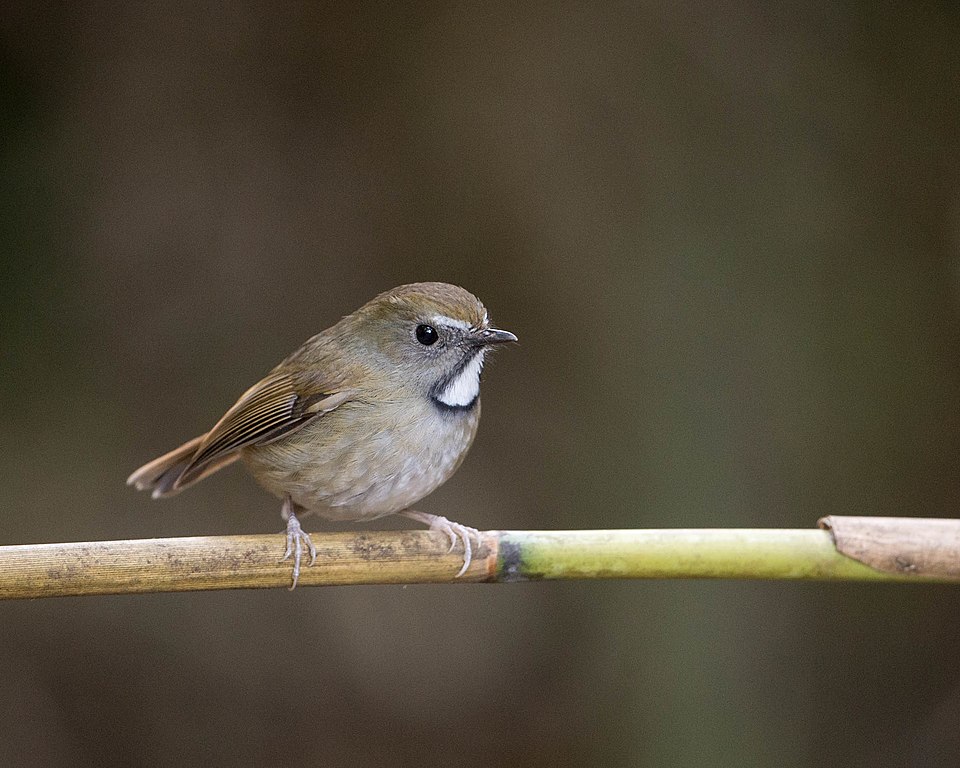


Birds Similar to the Finsch's Wheatear
These species are often confused with the Finsch's Wheatear due to similar appearance or overlapping range.

