
Fiscal Flycatcher
Sigelus silens
Order: Passeriformes / Family: Muscicapidae

Wikimedia Commons
About the Fiscal Flycatcher
The Fiscal Flycatcher, scientifically named Sigelus silens, is a small but conspicuous passerine bird belonging to the family Muscicapidae. It thrives primarily in southern Africa, where it plays a significant role in controlling insect populations. These birds are particularly prevalent in regions like South Africa, Namibia, and parts of Botswana, showcasing their adaptability to various habitats. The Fiscal Flycatcher is a resident bird in most of its range, which means it generally does not migrate but may exhibit local movements in response to seasonal changes in food availability. Its presence is notable in both urban and rural settings, often seen darting across gardens, parks, and woodland edges. The fiscal flycatcher is a quintessential example of avian agility and adaptability, often observed performing intricate aerial maneuvers to capture insects mid-flight. Its ecological role is significant, as it helps maintain the balance of insect populations, thereby supporting the health of its ecosystem. This bird's behavior changes slightly with the seasons. During the breeding season, which typically spans from August to February, the Fiscal Flycatcher becomes more territorial, often seen asserting dominance over its chosen patch of land. In contrast, outside of the breeding season, these birds may be more tolerant of others, occasionally forming loose flocks. Their adaptability extends to their choice of habitat, as they readily utilize human-modified landscapes like gardens and plantations. Despite their relatively small size, Fiscal Flycatchers exhibit a commanding presence, both visually and vocally. Their vibrant plumage not only serves as a visual delight but also plays a role in mating rituals and territory defense. Understanding the Fiscal Flycatcher's role in its ecosystem emphasizes the importance of conserving both natural and urban habitats for the continued survival of this charming bird.
The Fiscal Flycatcher belongs to the family Muscicapidae, within the order Passeriformes. These birds typically live typically 5-8 years, with a maximum recorded of 10 years..
How to Identify a Fiscal Flycatcher
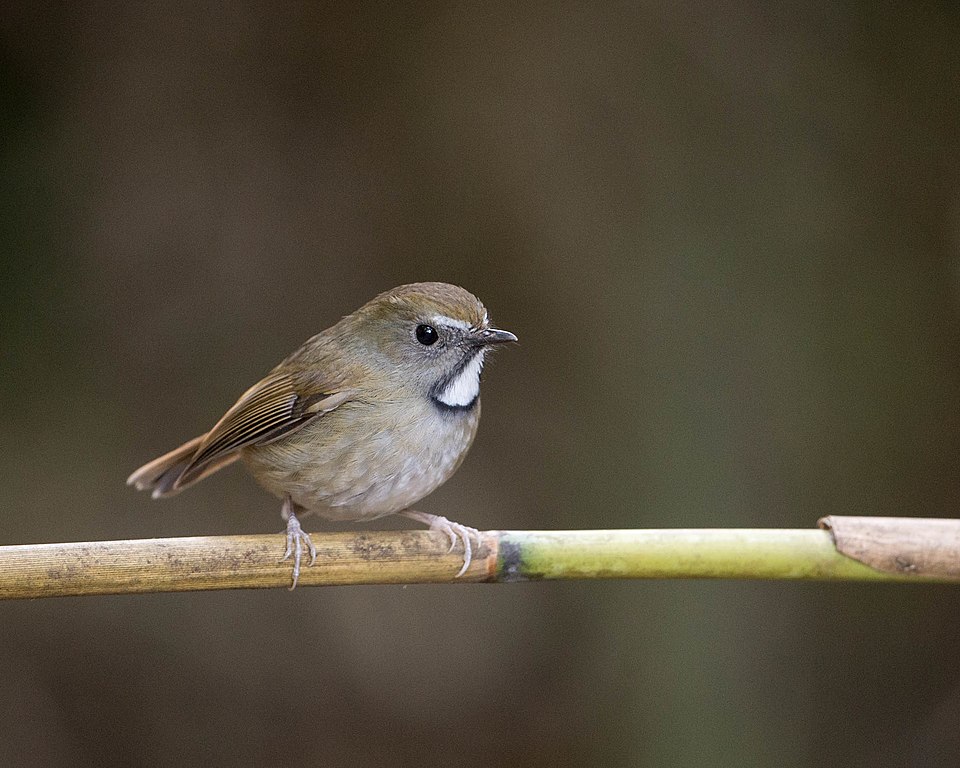
Identifying the Fiscal Flycatcher is facilitated by its distinctive black and white coloration. Adult males boast a glossy black head, back, and tail, contrasted by striking white underparts and a conspicuous white wing patch. Females and juveniles, while similar in size, exhibit a more muted coloration. Females often have a brownish tinge to their black plumage, especially on the wings and back, while juveniles are generally duller, presenting a grayish-brown appearance with less distinct wing markings. The stark contrast between the black and white plumage of the adult males is one of the most definitive field marks. The Fiscal Flycatcher's silhouette in flight is characterized by its rapid wing beats and agile maneuvers, common traits among flycatchers. When perched, this species often sits upright, exhibiting a posture that highlights its slender build and long tail. Confusion may arise with other black and white bird species such as the Southern Black Flycatcher, but the Fiscal Flycatcher can be distinguished by its white wing panel and lack of a hooked bill. Observers should note these key features to accurately identify this engaging bird.
Having trouble telling birds apart? Upload a photo to our bird identification tool for an instant species match.
Fiscal Flycatcher Habitat and Range
Preferred Habitat
The Fiscal Flycatcher occupies a variety of habitats across its range in southern Africa. It is commonly found in open woodlands, savannas, and scrubby areas. These birds are equally at home in urban environments, frequently observed in gardens, parks, and agricultural lands where they adapt well to human presence. They inhabit regions at various elevations, from sea level up to 1800 meters, demonstrating their ecological versatility. Seasonal habitat shifts are minimal due to their non-migratory nature, although they may move locally in search of food resources. Their presence in both rural and urban settings underscores their adaptability and resilience.
Geographic Range
The Fiscal Flycatcher is primarily found in southern Africa, with its range extending through South Africa, Namibia, and parts of Botswana. Within these countries, it occupies a broad range of habitats from the Western Cape to the eastern regions of Namibia. The species does not engage in long-distance migrations, remaining resident throughout its range. However, it may undertake local movements in response to food availability and environmental conditions. Population density is highest in areas where suitable habitats overlap with abundant food sources, such as along river valleys and in agricultural regions. The Fiscal Flycatcher's widespread distribution across southern Africa makes it a familiar sight to both amateur and experienced birders in these regions.
Want to know which birds visit your area? Browse our backyard birds by location guides for region-specific species lists.
What Does the Fiscal Flycatcher Eat?
The diet of the Fiscal Flycatcher primarily consists of insects, which it captures with remarkable agility. The bird employs a variety of foraging techniques, including sallying from a perch to snatch insects mid-air and gleaning prey from foliage. Its diet includes a broad range of invertebrates such as beetles, flies, and caterpillars. During certain seasons, when insect populations fluctuate, the Fiscal Flycatcher may supplement its diet with small fruits and seeds. This dietary flexibility aids in its survival across different environments and seasons. The bird typically forages during daylight hours, with peak activity occurring in the early morning and late afternoon. Prey size varies, but typically includes small to medium-sized insects that are abundant in its habitat.
Fiscal Flycatcher Behavior and Social Structure
The Fiscal Flycatcher exhibits a range of behaviors that reflect its adaptability and resourcefulness. It is usually seen alone or in pairs, particularly during the breeding season when it becomes territorial. Males actively defend their territory against intruders through vocal displays and physical pursuits. Courtship involves males performing aerial displays and presenting food offerings to females. Outside of the breeding season, Fiscal Flycatchers may form loose flocks, especially when foraging in areas with abundant resources. These birds are diurnal, with activity peaking during cooler parts of the day. In response to predators, the Fiscal Flycatcher often employs alarm calls to alert conspecifics and may engage in mobbing behavior to deter threats. Its daily routine is structured around feeding and territory maintenance, underscoring its role as an active and vigilant member of its ecosystem.
Fiscal Flycatcher Nesting and Reproduction
Fiscal Flycatchers construct cup-shaped nests using a variety of materials such as grass, twigs, and spider webs. These nests are typically built in trees or shrubs, often at a height of 1 to 5 meters above the ground. The preferred nesting sites are in areas that offer some shelter and concealment from predators. The female lays a clutch of 2 to 4 eggs, which she incubates for approximately two weeks. Both parents participate in feeding the chicks, which fledge about two to three weeks after hatching. The breeding season can extend from August to February, allowing for the possibility of multiple broods within a single year. This prolific breeding strategy helps ensure the survival of the species despite environmental pressures.
Fiscal Flycatcher Sounds and Vocalizations
The Fiscal Flycatcher is known for its varied vocalizations, including a primary song that consists of a series of melodious whistles and trills. The song can be described as a rhythmic, sweetly-pitched sequence that often serves to establish territory and attract mates. In addition to its song, the bird produces distinct call notes and alarm calls, particularly when agitated or alerting others to potential danger. During the dawn chorus, the Fiscal Flycatcher's song can be heard mingling with those of other bird species, creating a rich tapestry of sound. Its vocal repertoire, while not as extensive as some other species, is nonetheless an essential aspect of its behavior and communication.
Interesting Facts About the Fiscal Flycatcher
- 1The Fiscal Flycatcher derives its name from the Latin 'silens', meaning silent, yet it is known for its vocal nature.
- 2Despite its small size, the Fiscal Flycatcher can cover a territory of several hectares, showcasing its territorial nature.
- 3The bird's adaptability to urban environments has made it a common sight in South African cities, offering birders easy opportunities for observation.
- 4Unlike many other passerines, both male and female Fiscal Flycatchers share in the incubation duties, showcasing a rare breeding characteristic.
- 5The Fiscal Flycatcher's diet is primarily insectivorous, but it will occasionally feed on small fruits, highlighting its dietary versatility.
- 6Fiscal Flycatchers have a unique foraging method known as 'sallying', where they catch insects in mid-air, demonstrating impressive agility.
- 7Their nests are often well-concealed in foliage, making it a challenge for predators and bird watchers alike to spot them.
Fiscal Flycatcher Conservation Status
The Fiscal Flycatcher is currently classified as Least Concern by the IUCN due to its wide distribution and stable population numbers. Despite this favorable status, habitat loss and degradation pose ongoing threats, particularly in areas where urbanization and agricultural expansion reduce available habitats. Conservation efforts focus on habitat preservation and maintaining healthy ecosystems that support a diverse range of species. Historical data indicates that the Fiscal Flycatcher has maintained a stable population trend over the years, thanks in part to its adaptability to changing environmental conditions.
Other Muscicapidae Species


Birds Similar to the Fiscal Flycatcher
These species are often confused with the Fiscal Flycatcher due to similar appearance or overlapping range.
