
Fuerteventura Stonechat
Saxicola dacotiae
Order: Passeriformes / Family: Muscicapidae

Wikimedia Commons
About the Fuerteventura Stonechat
The Fuerteventura Stonechat, scientifically known as Saxicola dacotiae, is a diminutive yet captivating bird that captures the essence of the Canary Islands' unique avifauna. Endemic to Fuerteventura, part of the Canary Islands archipelago, this species thrives in the semi-arid landscapes that define its home. With its restricted range, the Fuerteventura Stonechat offers a compelling case study in adaptation and specialization. Its presence is a reminder of the island's unique ecological makeup, with the bird playing a vital role in the local ecosystem as an insectivore. It contributes to controlling insect populations, thereby maintaining the ecological balance.
The significance of the Fuerteventura Stonechat extends beyond its ecological contributions. As an emblematic species of the Canary Islands, it draws attention to the importance of conserving unique island habitats that are often vulnerable to environmental changes. The bird's status as a symbol of Fuerteventura showcases the cultural and natural heritage of the region, making it a point of interest for birdwatchers and conservationists alike.
During the breeding season, which peaks in the spring, the Fuerteventura Stonechat exhibits distinctive behaviors that highlight its ecological role. The males become particularly vocal, marking their territories with a series of melodious calls. This period sees the birds more actively engaged in foraging and nesting activities, crucial for raising the next generation. Outside the breeding season, the stonechat remains a resident bird, eschewing long-distance migration in favor of remaining within its established territories year-round. This sedentary lifestyle is a testament to the bird's adaptation to its stable, albeit challenging, environment. The Fuerteventura Stonechat thus stands as an emblem of resilience and adaptability, thriving in the Canary Islands' unique semi-desert landscapes.
The Fuerteventura Stonechat belongs to the family Muscicapidae, within the order Passeriformes. These birds typically live average 5-7 years, with limited data on maximum age..
How to Identify a Fuerteventura Stonechat
The Fuerteventura Stonechat is a small passerine, measuring about 12 centimeters in length. Adult males possess a striking appearance with a black head, a white throat, and a distinctive white collar that sets them apart from similar species. Their underparts are a warm orange, while the upperparts are a rich brown, providing excellent camouflage against the rocky, arid terrain of their habitat. Females, while similar in size, have a paler coloration with less pronounced markings, featuring a brown head with a whitish throat and less vibrant underparts.
Juvenile Fuerteventura Stonechats resemble the females but with a more speckled appearance, which provides added camouflage during their vulnerable early months. When compared to similar species such as the European Stonechat, the Fuerteventura Stonechat's more subdued coloration and distinct habitat preferences aid in identification. In flight, they display a characteristic fluttering pattern with short bursts of rapid wingbeats followed by brief glides, a silhouette that keen birders quickly recognize.
When perched, the Fuerteventura Stonechat often adopts an upright, alert posture, frequently flicking its wings and tail. This perky demeanor, coupled with its distinctive vocalizations, makes it a delightful find for birdwatchers exploring the rugged landscapes of Fuerteventura.
Having trouble telling birds apart? Upload a photo to our bird identification tool for an instant species match.
Fuerteventura Stonechat Habitat and Range
Preferred Habitat
The Fuerteventura Stonechat inhabits the arid and semi-arid regions of Fuerteventura, characterized by sparse vegetation and rocky landscapes. It primarily resides in the lowland areas, favoring elevations below 600 meters. This bird thrives in open terrains, including dry scrublands, semi-deserts, and rocky outcrops, where it can easily forage for insects. Unlike some other passerines, the Fuerteventura Stonechat exhibits little seasonal habitat shift, maintaining its presence in these arid environments year-round.
Its preference for such specific habitats means that urban areas and dense woodlands rarely see the presence of this species. Instead, the bird is most frequently observed in rural settings where the natural landscape remains largely undisturbed. The sparse vegetation and open spaces provide an ideal setting for the stonechat to spot and capture its insect prey efficiently, while the rocky terrain offers ample nesting sites.
Geographic Range
The Fuerteventura Stonechat is endemic to the island of Fuerteventura in the Canary Islands, making its range extremely limited. Unlike many bird species with expansive ranges, this stonechat remains confined to its island home throughout the year. It does not partake in migration, reflecting a highly specialized adaptation to its local environment. The population hotspots are primarily found in the central and northern parts of the island, where the arid landscapes provide optimal conditions for feeding and breeding.
Within this limited range, the bird's population density can vary significantly depending on the availability of food resources and suitable nesting sites. Areas with abundant insect populations and minimal human disturbance often host higher densities of Fuerteventura Stonechats. This limited range underscores the importance of habitat conservation efforts on Fuerteventura, as the species' survival is intrinsically linked to the health of its native ecosystem.
Want to know which birds visit your area? Browse our backyard birds by location guides for region-specific species lists.
What Does the Fuerteventura Stonechat Eat?
The Fuerteventura Stonechat's diet primarily consists of insects and other small invertebrates, making it an important insectivore in its ecosystem. It forages predominantly on the ground, using a combination of short flights and hops to capture prey. The bird exhibits a keen eye for spotting movement, allowing it to efficiently target insects such as beetles, ants, and grasshoppers.
Seasonal changes can influence the availability of food, prompting slight shifts in diet. During wetter months, when insect activity peaks, the stonechat has access to a wider variety of prey. In contrast, during drier periods, it may rely more heavily on available arthropods and occasionally consume seeds or berries to supplement its diet.
The Fuerteventura Stonechat engages in active foraging throughout the day, with peak feeding times occurring in the early morning and late afternoon. This schedule allows the bird to avoid the harsh midday sun characteristic of its arid habitat.
Fuerteventura Stonechat Behavior and Social Structure
Socially, the Fuerteventura Stonechat is a primarily solitary bird, with pairs coming together during the breeding season. Territorial behavior is prominently displayed, especially by males, who aggressively defend their chosen breeding areas through vocalizations and physical displays. These displays often include puffing up of plumage and direct confrontations with intruders, showcasing the bird's assertiveness.
During courtship, the male performs aerial displays and sings to attract a mate, emphasizing the strength of its territory and suitability as a partner. Once paired, the bond between mates is relatively strong, with both partners contributing to nesting and rearing duties. The stonechat exhibits cautious behavior in the presence of predators, often issuing a sharp, repetitive alarm call to warn of approaching threats. It may also employ distraction displays to lead predators away from nests.
Daily activity patterns revolve around feeding and territorial maintenance, with birds being most active during the cooler parts of the day. Despite its small size, the Fuerteventura Stonechat demonstrates a tenacious character in its interactions with both competitors and potential threats.
Fuerteventura Stonechat Nesting and Reproduction
The Fuerteventura Stonechat builds its nest close to the ground, typically in a crevice or among dense vegetation for protection against predators. The nest itself is a compact cup structure made from grasses and plant fibers, lined with finer materials for added insulation and comfort. Site selection is crucial, as the bird seeks locations that provide adequate concealment.
Clutch sizes average between three to five eggs, with both parents sharing incubation duties over a period of approximately 13 to 15 days. Once hatched, the chicks are altricial, requiring intense parental care. Both the male and female participate in feeding the chicks, delivering a steady supply of insects to the nest.
Fledging occurs about two weeks after hatching, but young birds often remain dependent on their parents for a short period thereafter. The Fuerteventura Stonechat can produce multiple broods within a single breeding season, depending on environmental conditions and resource availability.
Fuerteventura Stonechat Sounds and Vocalizations
The primary song of the Fuerteventura Stonechat is a series of clear, melodious notes delivered at a moderate pace. These notes often rise and fall in pitch, creating a dynamic soundscape that resonates across its arid habitat. The song serves both as a territorial claim and a courtship display, with males singing prominently during the breeding season.
Call notes are typically sharp and repetitive, used for communication between mates and as alerts to potential threats. The stonechat's alarm call is a distinctive 'chak-chak' sound, repeated rapidly to signal danger. During the dawn chorus, the Fuerteventura Stonechat adds its voice to the island's avian symphony, contributing to the vibrant soundscape that defines the early morning hours.
Interesting Facts About the Fuerteventura Stonechat
- 1The Fuerteventura Stonechat is one of the few bird species entirely confined to the island of Fuerteventura, making it a true island endemic.
- 2Despite its small size, the Fuerteventura Stonechat can be fiercely territorial, often engaging in aggressive displays against intruders.
- 3The stonechat's distinctive song contributes to the dawn chorus, a natural concert that occurs daily in its habitat.
- 4Fuerteventura Stonechats are non-migratory, choosing to remain within their established territories throughout the year.
- 5The bird's diet primarily consists of insects, but it will occasionally consume small berries or seeds, especially during lean times.
- 6Both male and female stonechats share responsibilities in raising their young, a cooperative effort crucial for the species' survival.
- 7The Fuerteventura Stonechat's population is estimated to be under 2,000 breeding pairs, highlighting its vulnerability and conservation importance.
Fuerteventura Stonechat Conservation Status
The Fuerteventura Stonechat is currently listed as Near Threatened on the IUCN Red List, with the population trend showing signs of stability but facing specific threats. Habitat degradation, primarily due to human activities such as tourism and urban expansion, poses a significant risk to its limited range. Conservation efforts focus on habitat protection and management to ensure the survival of this island endemic. Historically, fluctuations in population size have been recorded, often linked to changes in land use and climatic conditions. Conservation organizations emphasize the importance of sustainable land management practices on Fuerteventura to mitigate these impacts. Continued monitoring and habitat restoration initiatives are vital to maintaining the delicate balance necessary for the Fuerteventura Stonechat's continued existence.
Other Muscicapidae Species
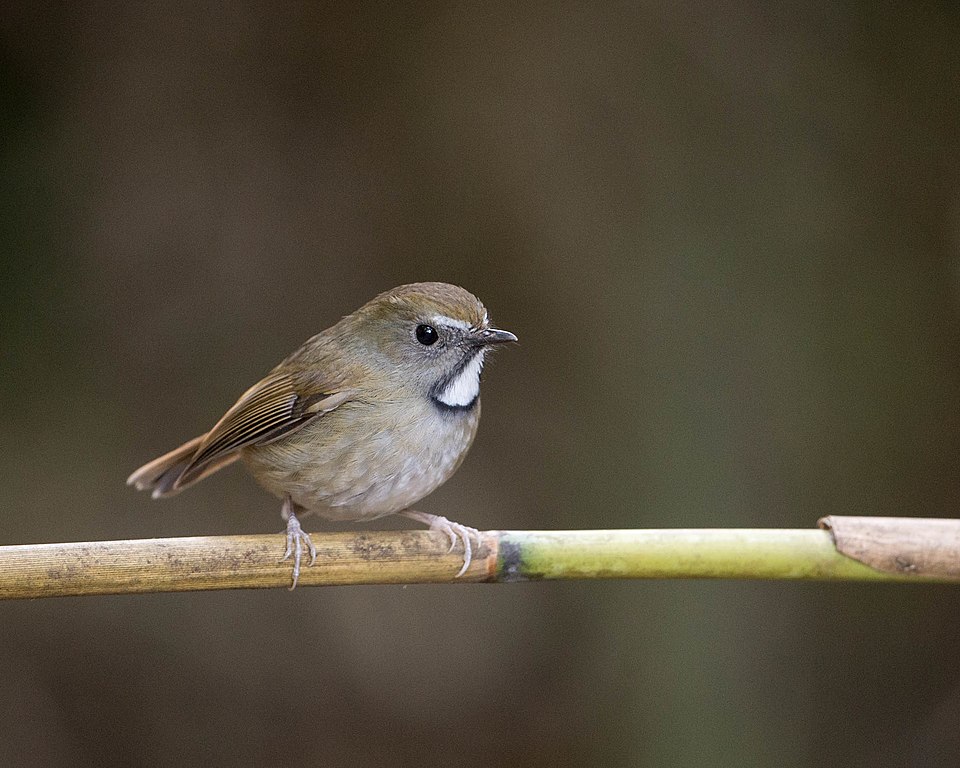


Birds Similar to the Fuerteventura Stonechat
These species are often confused with the Fuerteventura Stonechat due to similar appearance or overlapping range.

