Garganey
Spatula querquedula
Order: Anseriformes / Family: Anatidae

Wikimedia Commons
About the Garganey
The Garganey, scientifically known as Spatula querquedula, is a migratory dabbling duck belonging to the Anatidae family. Renowned for its remarkable adaptability, this species inhabits a wide range of wetland environments. Breeding primarily in the temperate regions of Europe and western Asia, the Garganey migrates to Africa and southern Asia during the winter. It holds a significant position in the ecosystem as both a prey species and a consumer of aquatic invertebrates and vegetation. These ducks are easily distinguishable by their size, measuring approximately 37 to 41 centimeters in length, and their striking plumage.
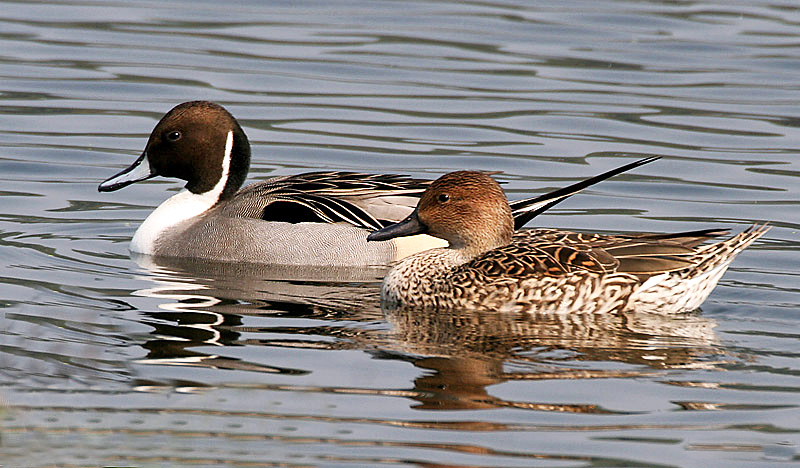
Males boast a bold white stripe running from their eyes to the back of their heads, contrasting sharply with their gray bodies and brown wings. Females, while less conspicuous, exhibit a mottled brown appearance, providing excellent camouflage against predators. Throughout the breeding season, Garganeys frequent shallow freshwater habitats such as marshes, lakes, and slow-moving rivers, where they engage in complex courtship displays. As daylight diminishes, they exhibit a tendency to forage during twilight hours, adeptly sifting through water with their bills.
The ecological role of the Garganey extends beyond mere foraging. These ducks facilitate nutrient cycling in aquatic ecosystems by consuming and excreting plant material. Their migratory patterns contribute to the genetic diversity of populations across continents. The Garganey's presence in a habitat often indicates healthy wetland conditions, making them valuable bioindicators. Their seasonal movements are closely tied to environmental changes, and they often act as harbingers of shifting climatic conditions. Understanding the Garganey's life cycle and behavior aids conservationists in preserving wetland ecosystems, which face increasing threats from human activity and climate change.
The Garganey belongs to the family Anatidae, within the order Anseriformes. These birds typically live typically 10-12 years, with some living up to 15 years..
How to Identify a Garganey
The Garganey is a medium-sized duck with several distinctive features aiding in field identification. Adult males are particularly striking during the breeding season, characterized by a broad white stripe running from the eye to the nape, set against a dark brown head. Their bodies are predominantly gray with a fine vermiculated pattern, and their wings exhibit a pale blue patch with white-bordered tips. This combination of colors makes the male Garganey easily distinguishable from other ducks.
Females and juveniles, on the other hand, are more subdued in appearance. They have mottled brown plumage that provides effective camouflage in their natural wetland habitats. The female's patterned head and body can sometimes lead to confusion with other female dabbling ducks, such as the Common Teal, but the Garganey is generally slimmer with a more elongated profile. In flight, Garganeys display a swift and agile silhouette, characterized by rapid wingbeats. They often fly in small flocks with a slightly arched neck posture.
While at rest, Garganeys often adopt a low posture, sitting flat against the water's surface, which can make them harder to spot among reeds and aquatic vegetation. Their bills are broad and flat, adapted for their dabbling feeding style. Observing these features, particularly during migration, can help birders accurately identify Garganeys amidst mixed-species flocks.
Having trouble telling birds apart? Upload a photo to our bird identification tool for an instant species match.
Garganey Habitat and Range
Preferred Habitat
Garganeys predominantly inhabit shallow freshwater wetlands, favoring environments rich in emergent vegetation. Key habitat types include marshes, reedbeds, and flooded meadows, where they can find ample food and cover. During the breeding season, they are often found in Europe and Asia, frequenting areas with abundant aquatic plants and invertebrates.
Elevation plays a less critical role for Garganeys, as they typically remain at lower altitudes, preferring flat landscapes where water is plentiful. During migration and wintering, they disperse widely across Africa and southern Asia, often in vast floodplains, rice paddies, and coastal lagoons. They are adaptable birds, capable of thriving in both rural and semi-urban settings, provided that suitable aquatic habitats are available.
Seasonal shifts in habitat use are common, with Garganeys moving to larger bodies of water during migration to rest and refuel. These ducks rarely venture into deep-water habitats, preferring the safety and food availability of shallow waters. Despite their adaptability, habitat degradation continues to pose a threat to their populations, underscoring the need for wetland conservation.
Geographic Range
Garganeys boast an expansive range, breeding across a swath of Europe and western Asia, from the British Isles and Scandinavia to Russia and northern China. Their breeding grounds are characterized by an abundance of wetlands, which provide essential resources for nesting and rearing young.
In autumn, these ducks embark on long migratory journeys, heading to wintering grounds in sub-Saharan Africa and southern Asia. Key wintering regions include the Nile Valley, the Senegal Delta, and the Indian subcontinent. Garganeys travel along major flyways such as the East Atlantic Flyway and the Central Asian Flyway, making stopovers in countries like Italy, Spain, and Turkey.
Population densities tend to be higher in areas with extensive wetland networks. The species is considered locally common but experiences fluctuations depending on annual rainfall and habitat conditions. In recent decades, the range of the Garganey has shifted slightly due to climate change, influencing their migration timing and pathways. Conservation of critical habitats along their migratory routes remains vital for their continued survival.
Want to know which birds visit your area? Browse our backyard birds by location guides for region-specific species lists.
What Does the Garganey Eat?
The Garganey's diet is diverse, primarily consisting of aquatic invertebrates and plant matter. During the breeding season, they favor protein-rich prey such as insects, larvae, mollusks, and crustaceans found in shallow waters. This diet supports the energy demands of reproduction and chick rearing.
As seasons change, so does their dietary preference. In the winter, when insects become scarce, Garganeys shift to a diet rich in seeds, aquatic plants, and algae. They display a dabbling feeding technique, skimming the water's surface with their bills to filter food particles.
Garganeys often forage during dawn and dusk, times when they can avoid predators while taking advantage of the increased activity of aquatic prey. They are known to feed in loose flocks, which can help reduce the risk of predation. Prey size typically ranges from small insects and larvae to larger aquatic snails, depending on availability. This flexible diet allows Garganeys to thrive across a wide range of habitats and geographic regions.
Garganey Behavior and Social Structure
Garganeys exhibit a range of behaviors that are both fascinating and complex. They are social birds, often seen in small flocks outside the breeding season. Their migratory nature leads them to form larger groups during migration, which offers protection against predators and facilitates navigation.
During the breeding season, males engage in intricate courtship displays to attract females. This behavior includes a series of calls, wing displays, and bobbing movements. Once paired, Garganeys tend to be monogamous for the season, with males defending their mates against rival suitors. Territorial behavior is more pronounced during nesting, with pairs establishing territories within wetland habitats.
In response to predators, Garganeys rely on their cryptic plumage and agile flight. They are known to take to the air quickly at the first sign of danger, often emitting alarm calls to alert others in the vicinity. Daily activity patterns are typically crepuscular, with peaks in feeding and social interaction occurring at dawn and dusk. Despite their social nature, they maintain a level of vigilance, especially in areas where predation pressure is high.
Garganey Nesting and Reproduction
Garganeys prefer ground nests, often selecting sites well-concealed within dense vegetation near water bodies. They use grasses, leaves, and reeds to construct their nests, ensuring optimal insulation and camouflage.
Clutch sizes range from 8 to 11 eggs, with an incubation period lasting approximately 21 to 23 days. The female alone incubates the eggs, relying on her camouflaged plumage to remain undetected by predators. During this period, the male stays nearby, guarding the territory and alerting to potential threats.
Once hatched, the ducklings are precocial, leaving the nest soon after birth to follow their mother in search of food. The fledging period lasts about 40 to 45 days, during which the young Garganeys develop the skills necessary for survival. Parental care is primarily the responsibility of the female, though the male may assist in leading and protecting the brood. Garganeys typically raise one brood per year, although in optimal conditions, some may attempt a second.
Garganey Sounds and Vocalizations
The primary song of the Garganey is a soft, rattling call often described as a 'tchick-tchick' sound, resembling the noise made by a spinning wheel. Males use this call during courtship displays to attract females.
Apart from their song, Garganeys produce a range of call notes, including a low 'quack' used in communication between individuals within flocks. Their alarm call is a sharp 'kak', emitted in rapid succession when threatened or startled.
During the breeding season, their vocalizations are more frequent and varied, contributing to the dawn chorus of wetland habitats. Compared to other ducks, the Garganey's calls are relatively subdued, reflecting their preference for quieter, less disturbed environments.
Interesting Facts About the Garganey
- 1The Garganey is the only European duck species that winters entirely in tropical regions, showcasing its long-distance migratory abilities.
- 2Male Garganeys undergo a post-breeding molt, during which they lose their striking plumage and resemble females, making them harder to identify.
- 3These ducks can travel up to 9,600 kilometers between their breeding and wintering grounds, a testament to their endurance and navigational skills.
- 4Garganeys often migrate at night, using the stars and natural landmarks to guide them on their long journeys.
- 5The species name 'querquedula' is derived from Latin, meaning 'to quack', a nod to the Garganey's vocal nature.
- 6Garganeys are known to hybridize with other duck species, leading to unique plumage variations in certain regions.
- 7During migration, Garganeys can form large flocks of several hundred individuals, creating a spectacular sight for birdwatchers.
Garganey Conservation Status
The IUCN currently lists the Garganey as a species of Least Concern, with populations considered stable across much of its range. However, localized declines have been observed, primarily due to habitat loss and degradation. Wetland drainage, pollution, and climate change pose significant threats to Garganey populations. Conservation efforts focus on preserving critical wetland habitats and establishing protected areas along migratory routes. Initiatives such as the Ramsar Convention play a vital role in maintaining habitat integrity. Historically, Garganey populations have fluctuated in response to environmental changes, but concerted conservation actions have helped stabilize numbers. Continued monitoring and habitat management remain essential to ensuring the long-term survival of this adaptable duck species.
Other Anatidae Species


Birds Similar to the Garganey
These species are often confused with the Garganey due to similar appearance or overlapping range.