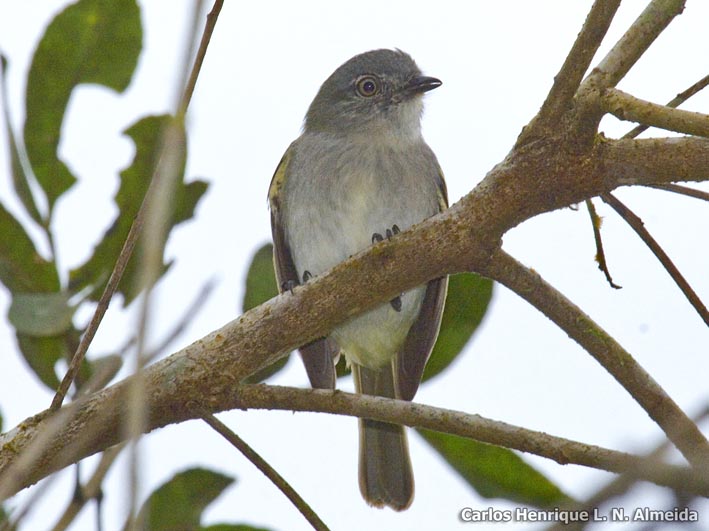
Golden-bellied Flycatcher
Myiodynastes hemichrysus
Order: Passeriformes / Family: Tyrannidae

Wikimedia Commons
About the Golden-bellied Flycatcher
The Golden-bellied Flycatcher (Myiodynastes hemichrysus) is a captivating avian species belonging to the Tyrannidae family. This bird is predominantly found in the mountainous regions of Central America, particularly in countries such as Costa Rica and Panama. It thrives in cloud forests, subtropical or tropical moist montane environments, where the dense canopy and abundant food resources provide an ideal habitat. The Golden-bellied Flycatcher is integral to its ecosystem, acting as both predator and prey, thus maintaining ecological balance. Its presence is often an indicator of healthy forest ecosystems, and its vibrant plumage adds a splash of color to the verdant landscape.
This species plays a vital role in seed dispersal and insect population control. It actively participates in the ecosystem by preying on insects that may otherwise harm plant life. During the breeding season, which typically occurs from March to June, the Golden-bellied Flycatcher is more vocal and active, engaging in elaborate courtship displays. These displays include swift aerial maneuvers, which are not only fascinating to observe but also serve to attract potential mates. Outside the breeding season, the Golden-bellied Flycatcher remains relatively solitary, although it occasionally forms small flocks during migration periods.
Seasonal changes influence the behavior of this bird, as it migrates to lower elevations during the cooler months to find food. However, it is not considered a long-distance migrant, as it tends to stay within the Central American region. The Golden-bellied Flycatcher's adaptability to different altitudes makes it a resilient species, although it still faces threats from habitat destruction and climate change. Conservation efforts aim to preserve its natural habitat and ensure the species' survival for future generations. Its ecological significance, coupled with its striking appearance, makes the Golden-bellied Flycatcher a subject of interest for ornithologists and bird enthusiasts alike.
The Golden-bellied Flycatcher belongs to the family Tyrannidae, within the order Passeriformes. These birds typically live average 5 years with a maximum recorded of 8 years..
How to Identify a Golden-bellied Flycatcher
The Golden-bellied Flycatcher is easily identified by its bright yellow underparts, which contrast sharply with its olive-green upperparts. Adults exhibit a distinct black streaking pattern on their wings and back, enhancing their visual appeal. A notable feature is the bird's bold eye stripe, which runs from the beak to the nape, providing an additional identification marker. The crown often displays a subtle hint of orange, although this is more prominent in males.
Juvenile Golden-bellied Flycatchers tend to have more muted colors compared to adults, with less pronounced black streaks and a duller yellow belly. Both sexes appear similar in plumage, but males are often slightly larger in size. The bird's flight silhouette is characterized by broad, rounded wings and a medium-length tail, which it uses deftly when maneuvering through the forest canopy.
The Golden-bellied Flycatcher's perching posture is upright and alert, often observed on exposed branches where it watches for insects. This posture, combined with its distinct color pattern, helps differentiate it from other similar species, such as the Sulphur-bellied Flycatcher, which has a more muted yellow belly and lacks the vivid eye stripe.
Having trouble telling birds apart? Upload a photo to our bird identification tool for an instant species match.
Golden-bellied Flycatcher Habitat and Range
Preferred Habitat
The Golden-bellied Flycatcher primarily inhabits cloud forests and subtropical or tropical moist montane forests. These environments, found at elevations ranging from 1,200 to 3,000 meters above sea level, offer a diverse array of flora and fauna that support the bird's dietary and nesting needs.
During the wet season, the dense canopy provides ample cover, while the abundance of insects ensures a steady food supply. In the dry season, the bird may descend to lower elevations where moisture and food sources remain available. Although predominantly a forest dweller, the Golden-bellied Flycatcher occasionally ventures into open areas adjacent to forests or small rural gardens that mimic its natural habitat.
This species rarely adapts to urban environments, preferring the secluded and undisturbed nature of highland forests. Its dependence on such specific habitats underscores the importance of forest conservation efforts to maintain suitable living conditions.
Geographic Range
The Golden-bellied Flycatcher is native to Central America, with a range primarily confined to Costa Rica and western Panama. Its breeding territory extends across the highlands of these regions, where the climate and vegetation are conducive to its lifestyle.
During the non-breeding season, the bird often remains in the same geographic area, though it might shift to slightly lower altitudes to escape colder temperatures and to access food resources. Unlike many migratory species, the Golden-bellied Flycatcher does not undertake long-distance migrations, instead exhibiting altitudinal movements within its established range.
Population density tends to be higher in protected areas where forest habitats remain intact and undisturbed by human activities. These regions provide the necessary environmental conditions for the Golden-bellied Flycatcher to thrive, highlighting the importance of habitat protection for sustaining population levels.
Want to know which birds visit your area? Browse our backyard birds by location guides for region-specific species lists.
What Does the Golden-bellied Flycatcher Eat?
The diet of the Golden-bellied Flycatcher primarily consists of insects, which it catches through an agile technique known as 'flycatching.' This involves sallying forth from a perch to snatch flying insects mid-air. Its keen eyesight enables it to detect prey with precision, targeting a variety of insects such as beetles, butterflies, and grasshoppers.
During the rainy season, when insect populations peak, the Golden-bellied Flycatcher feasts abundantly, storing energy reserves for the less plentiful dry season. Occasionally, it supplements its diet with fruits and berries, particularly when insect availability diminishes. This dietary flexibility aids its survival during lean periods.
The bird's feeding schedule is largely diurnal, with peak activity occurring during the early morning and late afternoon when insects are most active. The Golden-bellied Flycatcher's ability to adapt its feeding habits to seasonal changes ensures its continued survival in the dynamic montane ecosystems it inhabits.
Golden-bellied Flycatcher Behavior and Social Structure
Golden-bellied Flycatchers display largely solitary behavior, although they may form small flocks during migration or when foraging in areas with abundant food. They exhibit strong territorial instincts, especially during the breeding season. Males engage in vocalizations and aerial displays to assert dominance and attract mates. These displays involve rapid flights and distinctive wing flicking, which serve to both intimidate rivals and charm potential partners.
Courtship involves the male presenting food to the female, a gesture that signifies his capability to provide for offspring. Once paired, the bond between mates often extends through multiple breeding seasons. The species is diurnal, with most activities occurring during daylight hours. Dawn and dusk are the most vocally active periods when the flycatcher announces its presence through trills and calls.
In the presence of predators, such as hawks or snakes, the Golden-bellied Flycatcher employs alarm calls to alert others and may exhibit mobbing behavior to drive intruders away. This protective instinct ensures the safety of its territory and nest, safeguarding the next generation.
Golden-bellied Flycatcher Nesting and Reproduction
Golden-bellied Flycatchers prefer to nest in tree cavities or on sheltered branches, using natural crevices to protect their young from the elements and predators. They construct nests using materials readily available in their environment, such as twigs, leaves, moss, and feathers, which provide insulation and camouflage.
The typical clutch size ranges from two to four eggs, which the female incubates for approximately 14-16 days. During this period, the male plays a supportive role, providing food and protection. Once hatched, the chicks remain in the nest for about 18-21 days before fledging.
Both parents share feeding duties, regurgitating food to nourish their young. The Golden-bellied Flycatcher typically raises one brood per year, although favorable conditions may lead to a second. The careful selection of nesting sites and shared parental responsibilities enhance the survival rate of offspring, ensuring the continuation of the species.
Golden-bellied Flycatcher Sounds and Vocalizations
The primary song of the Golden-bellied Flycatcher is a melodious series of trills and chirps, characterized by a rhythmic pattern that can be heard echoing through the forest. Each sequence lasts several seconds and often concludes with a distinct high-pitched note, akin to the sound of a flute.
In addition to its primary song, the bird emits various call notes, including sharp whistles and softer purring sounds used in communication with mates or to signal alarm. During the dawn chorus, its vocalizations are particularly vibrant, contributing to the symphony of sounds that mark the beginning of the day in its montane habitat.
Alarm calls are more abrupt, serving as a warning to other birds of nearby threats. The Golden-bellied Flycatcher's vocal repertoire not only facilitates social interactions but also strengthens territorial claims, ensuring its presence remains known throughout its range.
Interesting Facts About the Golden-bellied Flycatcher
- 1The Golden-bellied Flycatcher's eye stripe is a key identifier, helping differentiate it from similar species.
- 2This bird is known for its daring aerial maneuvers during courtship, showcasing its agility and strength.
- 3Despite its vibrant plumage, the Golden-bellied Flycatcher can be surprisingly elusive, blending into the forest canopy.
- 4The species' preference for high elevations limits its exposure to many predators and human disturbances.
- 5Golden-bellied Flycatchers have adapted to a diet that includes both insects and fruit, allowing flexibility in food sourcing.
- 6Their nests are often well-camouflaged in tree cavities, providing excellent protection for their young.
- 7The species is considered a symbol of healthy forest ecosystems, indicating rich biodiversity in its habitat.
Golden-bellied Flycatcher Conservation Status
The Golden-bellied Flycatcher is currently classified as Least Concern by the IUCN, with a population that appears stable. However, it faces ongoing threats from habitat destruction due to deforestation and agricultural expansion. The preservation of cloud forests and montane habitats is crucial for maintaining their population levels. Conservation efforts focus on protecting these critical habitats, with several national parks and reserves in Costa Rica and Panama serving as safe havens for the species. Public awareness campaigns and ecotourism also play roles in promoting conservation. Historically, the population has experienced fluctuations, but effective habitat management has helped stabilize numbers. Continued conservation actions, including reforestation and legal protection of existing forests, are vital in ensuring that the Golden-bellied Flycatcher can thrive amidst environmental changes and human encroachment.
Other Tyrannidae Species


Birds Similar to the Golden-bellied Flycatcher
These species are often confused with the Golden-bellied Flycatcher due to similar appearance or overlapping range.