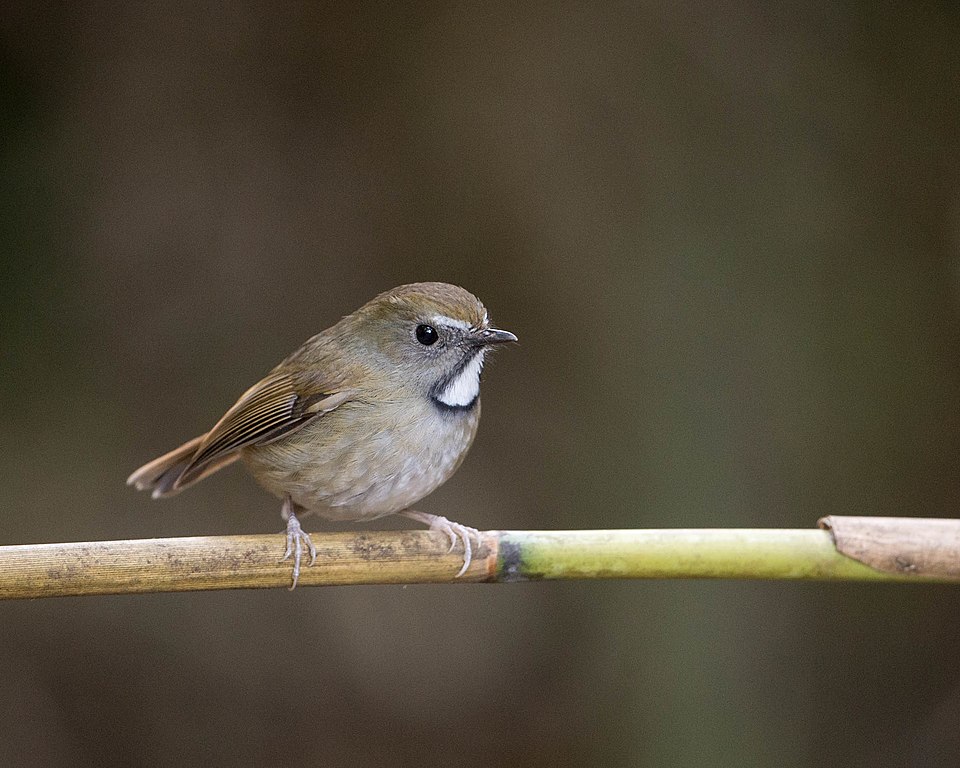
Green-backed Flycatcher
Ficedula elisae
Order: Passeriformes / Family: Muscicapidae

Wikimedia Commons
About the Green-backed Flycatcher
The Green-backed Flycatcher, scientifically known as Ficedula elisae, is a small passerine bird belonging to the family Muscicapidae. This species is particularly noted for its vivid plumage, with a bright green back and contrasting yellow underparts that make it a striking presence in its natural habitat. The Green-backed Flycatcher primarily inhabits forests across East Asia, with a range that extends through countries such as China, Japan, and parts of Southeast Asia. These birds favor dense, deciduous, and mixed woodlands where they find abundant insect prey. During the breeding season, they are often observed in higher-elevation forests, where cooler temperatures and abundant food resources create ideal conditions for raising their young. The ecological role of the Green-backed Flycatcher is significant, as they contribute to insect population control. Their diet primarily consists of small insects and other arthropods, which they catch on the wing or glean from foliage. This dietary habit helps maintain the balance of the forest ecosystems they inhabit. Seasonally, the Green-backed Flycatcher exhibits migratory behavior. In the warmer months, they breed at higher elevations or in northern parts of their range. As temperatures drop, they move to lower elevations or more southerly regions, seeking milder conditions. This movement not only ensures their survival but also allows them to exploit different habitats and food sources throughout the year. Their migratory patterns are well-studied, highlighting the importance of preserving both their breeding and wintering grounds to maintain healthy populations. The Green-backed Flycatcher's presence in diverse forested environments underscores its adaptability, yet also points to the challenges it faces amid deforestation and habitat degradation across its range.
The Green-backed Flycatcher belongs to the family Muscicapidae, within the order Passeriformes. These birds typically live typically 4-6 years, with some living up to 8 years..
How to Identify a Green-backed Flycatcher
The Green-backed Flycatcher is a small bird, measuring about 11-12 cm in length. Males are particularly vibrant, with a bright green back and crown, contrasting sharply with their vivid yellow underparts. The wings and tail are darker, tinged with green, adding to their distinctive appearance. Females are generally less colorful, featuring duller green and yellow tones, which provide better camouflage. Juveniles resemble females but have additional spotting and mottling on their plumage, which fades as they mature. This species can be confused with the Yellow-rumped Flycatcher, but the latter lacks the bright green back characteristic of the Green-backed Flycatcher. In flight, the Green-backed Flycatcher displays a compact silhouette, with rapid wingbeats and agile, darting movements typical of insectivorous passerines. When perched, they maintain an upright posture, often flicking their wings and tail, a behavior common among flycatchers. This posture, combined with their distinctive coloring, makes them easier to identify in their preferred wooded habitats.
Having trouble telling birds apart? Upload a photo to our bird identification tool for an instant species match.
Green-backed Flycatcher Habitat and Range
Preferred Habitat
The Green-backed Flycatcher thrives in forested environments, showing a preference for deciduous and mixed woodlands. They are often found in dense understory areas where they can pursue their insect prey. In mountainous regions, these birds can be seen at elevations ranging from 500 to 2000 meters. They demonstrate some seasonal habitat shifts, moving to lower elevations or more southern regions during the winter months. In terms of urban presence, the Green-backed Flycatcher is less commonly seen in heavily developed areas, preferring natural forest habitats. However, they may occasionally be spotted in large urban parks or gardens that provide sufficient tree cover and food resources.
Geographic Range
The breeding range of the Green-backed Flycatcher includes parts of China, Japan, and North Korea, where they occupy forested regions during the warmer months. In winter, they migrate to Southeast Asia, with known wintering grounds in Thailand, Myanmar, and Vietnam. These birds follow well-established migration corridors, often using forested mountain ranges as guides during their seasonal movements. Population densities are highest in areas where suitable breeding and wintering habitats overlap, such as the forested regions of southern China and northern Vietnam. Despite their wide range, the Green-backed Flycatcher's population is more concentrated in regions that offer extensive, undisturbed forests.
Want to know which birds visit your area? Browse our backyard birds by location guides for region-specific species lists.
What Does the Green-backed Flycatcher Eat?
The Green-backed Flycatcher's diet primarily consists of small insects such as beetles, flies, and caterpillars, along with other arthropods. During the breeding season, their food intake increases to support the nutritional demands of raising chicks. They employ a sit-and-wait foraging technique, perching quietly before darting out to catch insects mid-air or gleaning them from leaves. Prey size is typically small, reflecting the bird's own diminutive size. Feeding activity peaks in the early morning and late afternoon when insects are most active, although they will forage throughout the day when food is abundant.
Green-backed Flycatcher Behavior and Social Structure
The Green-backed Flycatcher displays a solitary or paired social structure, particularly during the breeding season when pairs establish and defend territories. Males are territorial, using song to mark their domain and deter rivals. Courtship involves displays such as fluttering flights and feeding of the female by the male. Outside the breeding season, these birds may join mixed-species flocks, which offers protection from predators and increases foraging efficiency. They exhibit a daily activity pattern that includes periods of active foraging interspersed with rest and preening. In response to predators, the Green-backed Flycatcher employs evasive flight and alarm calls to warn conspecifics.
Green-backed Flycatcher Nesting and Reproduction
The Green-backed Flycatcher constructs cup-shaped nests from twigs, moss, and spider silk, often positioned in the fork of a tree branch. Nesting sites are usually located several meters above the ground to provide safety from ground-dwelling predators. A typical clutch consists of 3-5 eggs, which the female incubates for about 12-14 days. Both parents participate in feeding the chicks once they hatch. The fledging period lasts approximately 14-16 days, during which the young remain in the nest and are fed by the parents. This species typically raises one brood per year, though in favorable conditions, they may attempt a second.
Green-backed Flycatcher Sounds and Vocalizations
The Green-backed Flycatcher's primary song features a series of melodious whistles and trills, with a rhythm that is both rapid and fluid. The pitch varies, often rising and falling in a pattern that is easily recognizable once learned. Their call notes are sharp and clear, serving as contact calls between mates or alert signals within a territory. Alarm calls are harsher and more abrupt, used when detecting predators. During the dawn chorus, males sing vigorously, their voices contributing to the forest's auditory landscape.
Interesting Facts About the Green-backed Flycatcher
- 1The Green-backed Flycatcher can be mistaken for the Yellow-rumped Flycatcher, but its green back is a distinctive feature.
- 2During migration, the Green-backed Flycatcher can travel thousands of kilometers between breeding and wintering grounds.
- 3Despite their bright colors, female Green-backed Flycatchers use their duller plumage to blend into the forest, aiding nesting success.
- 4This flycatcher contributes significantly to insect population control by consuming a wide variety of insects daily.
- 5The Green-backed Flycatcher exhibits site fidelity, often returning to the same breeding and wintering locations each year.
Green-backed Flycatcher Conservation Status
The Green-backed Flycatcher is currently listed as Least Concern by the IUCN, with a stable population trend. However, habitat loss due to deforestation poses a significant threat, particularly in Southeast Asia where forests are rapidly declining. Conservation efforts focus on habitat preservation and restoration, as well as monitoring population dynamics to ensure long-term viability. Historically, this species has maintained stable numbers, but ongoing habitat destruction could alter this trend if not addressed.