
Korean Flycatcher
Ficedula zanthopygia
Order: Passeriformes / Family: Muscicapidae

Wikimedia Commons
About the Korean Flycatcher
The Korean Flycatcher, known scientifically as Ficedula zanthopygia, is a captivating small passerine bird belonging to the family Muscicapidae. This species is particularly interesting due to its vibrant coloring and melodious song, which plays a significant role in its identification and ecological interactions. Native to East Asia, the Korean Flycatcher primarily inhabits regions in Korea, Japan, and parts of northeast China. During the breeding season, you can find them in deciduous forests and mixed woodlands, where they take advantage of dense foliage for nesting and foraging. The bird's presence is often an indicator of healthy forest ecosystems, as it relies on a rich supply of insects and other arthropods for sustenance. In winter, the Korean Flycatcher migrates to warmer regions, such as Southeast Asia, including countries like Thailand and Vietnam, where it occupies similar forested habitats. The species' adaptability to different forest types allows it to exploit various ecological niches, making it an integral part of the avian biodiversity in its range. As insectivores, these birds play a critical role in controlling insect populations, thereby maintaining ecological balance. Their seasonal movements also contribute to seed dispersal and pollination processes, indirectly supporting the health of forested environments. Observing the Korean Flycatcher offers insights into the intricate web of interactions within forest ecosystems, highlighting their importance beyond mere avian interest.
The Korean Flycatcher belongs to the family Muscicapidae, within the order Passeriformes. These birds typically live typically 5-7 years, with a maximum of 9 years recorded..
How to Identify a Korean Flycatcher
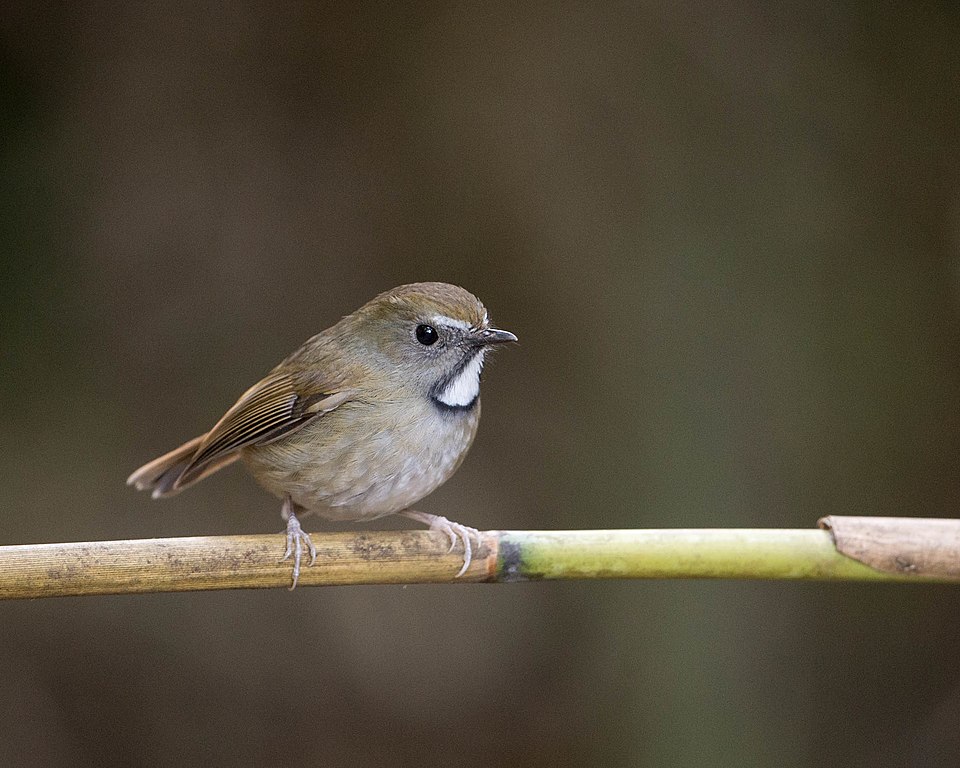
The Korean Flycatcher is easily recognizable by its bright yellow underparts, contrasting sharply with its olive-brown upperparts and distinctive white wing bars. The adult male exhibits a more vibrant yellow compared to the female, which tends to have a slightly duller hue. Both sexes, however, share the characteristic dark eye mask and slender, pointed bill typical of flycatchers. Juveniles resemble females but with more subdued coloration and streaked crowns, which can lead to confusion with similar species in their range, such as the Narcissus Flycatcher. In flight, the Korean Flycatcher presents a swift and direct silhouette with rapid wingbeats. When perched, it often adopts an upright posture on branches, flicking its tail and wings intermittently. The bird's behavior and posture add to its distinctiveness, aiding birdwatchers in making accurate identifications. Despite its small size, usually around 12 to 14 centimeters in length, the Korean Flycatcher's vibrant colors and active demeanor make it a standout presence in its habitat.
Having trouble telling birds apart? Upload a photo to our bird identification tool for an instant species match.
Korean Flycatcher Habitat and Range
Preferred Habitat
The Korean Flycatcher predominantly inhabits deciduous and mixed woodlands where dense foliage provides ample cover and foraging opportunities. It prefers mid-elevation forests at altitudes ranging from 200 to 1500 meters, often favoring areas with plentiful undergrowth. During migration and wintering, the Korean Flycatcher adapts to a variety of forested environments, including moist tropical forests and secondary growth woodlands. It avoids open areas and heavily urbanized regions, although it may occasionally be found in parks and gardens adjacent to woodlands. Seasonal shifts in habitat use illustrate the bird's adaptability, as it seeks suitable environments that offer protective cover and abundant food sources throughout the year.
Geographic Range
The Korean Flycatcher's breeding range is primarily in Korea, Japan, and northeastern China, where it occupies temperate forested regions. As the seasons change, it undertakes a migration to Southeast Asia, wintering in countries like Thailand, Vietnam, and Malaysia. These movements are facilitated by well-defined migration corridors along coastal and inland forest routes. Population density tends to be highest in core breeding areas, where suitable habitat conditions are met. During migration, the bird can be observed in transit through Taiwan and parts of southern China, where it stops over in forested habitats to rest and refuel. Its presence in these areas underscores the importance of conserving migratory pathways and stopover habitats.
Want to know which birds visit your area? Browse our backyard birds by location guides for region-specific species lists.
What Does the Korean Flycatcher Eat?
The Korean Flycatcher primarily feeds on insects and other small arthropods, which form the bulk of its diet during the breeding season. Its foraging technique involves sallying from perches to catch prey mid-air, demonstrating agility and precision. The bird also gleans insects from foliage, branches, and occasionally the forest floor. During winter, when insect availability decreases, the Korean Flycatcher supplements its diet with small fruits and berries, showcasing dietary flexibility. Prey size varies but typically includes small flies, beetles, and caterpillars. Feeding activity peaks during early morning and late afternoon, aligning with periods of higher insect activity.
Korean Flycatcher Behavior and Social Structure
The Korean Flycatcher is generally solitary or found in pairs, especially during the breeding season when it exhibits territorial behavior. Males establish and defend territories through song and displays, using their vibrant plumage to attract mates. Courtship involves aerial displays and vocalizations, which are crucial for pair bonding. Outside the breeding season, the Korean Flycatcher may join mixed-species flocks, benefiting from increased foraging efficiency and predator vigilance. The bird is diurnal, with peak activity occurring in the early morning and late afternoon. In response to predators, the Korean Flycatcher relies on agility and cover, often taking refuge in dense foliage.
Korean Flycatcher Nesting and Reproduction
The Korean Flycatcher builds cup-shaped nests using twigs, grass, and moss, often lined with feathers for insulation. Nests are typically located in tree forks or on branches, at varying heights from 2 to 10 meters above ground, providing protection from ground predators. Clutch sizes usually range from 3 to 5 eggs, which the female incubates for about 12 to 15 days. Both parents participate in feeding and caring for the young, which fledge approximately 14 days after hatching. The species generally raises one brood per year, although favorable conditions may lead to a second brood.
Korean Flycatcher Sounds and Vocalizations
The Korean Flycatcher's song is a melodic series of whistles and trills, characterized by a clear, sweet quality that carries well through its forested habitat. The song plays a vital role in territory establishment and mate attraction. Call notes are softer, often consisting of a 'tik-tik' sound, used for communication between mates and juveniles. Alarm calls, sharper and more urgent, alert other birds to potential threats. During the dawn chorus, the Korean Flycatcher contributes its song to the collective symphony of the forest, showcasing its vocal prowess.
Interesting Facts About the Korean Flycatcher
- 1The Korean Flycatcher can travel thousands of kilometers during migration, showcasing remarkable endurance.
- 2It is known to hybridize with the closely related Narcissus Flycatcher, resulting in unique plumage variations.
- 3The species' melodious song often forms part of the dawn chorus, a key indicator of healthy forest ecosystems.
- 4Korean Flycatchers play a significant ecological role by helping control insect populations in their habitats.
- 5They exhibit site fidelity, often returning to the same breeding and wintering areas year after year.
Korean Flycatcher Conservation Status
The International Union for Conservation of Nature (IUCN) currently lists the Korean Flycatcher as a species of Least Concern, with a stable population trend. However, habitat loss due to deforestation and land conversion poses ongoing threats to its breeding and wintering ranges. Conservation efforts focus on habitat protection and the maintenance of migratory corridors, essential for the species' long-term survival. Monitoring programs track population changes, ensuring that conservation actions remain targeted and effective. Historically, the Korean Flycatcher has maintained stable numbers, but continued vigilance is necessary to mitigate emerging threats.
Other Muscicapidae Species


Birds Similar to the Korean Flycatcher
These species are often confused with the Korean Flycatcher due to similar appearance or overlapping range.

