
Little Pied Flycatcher
Ficedula westermanni
Order: Passeriformes / Family: Muscicapidae

Wikimedia Commons
About the Little Pied Flycatcher
The Little Pied Flycatcher, scientifically known as Ficedula westermanni, is a captivating species of bird that belongs to the Muscicapidae family. This bird is remarkable for its striking black and white plumage, which makes it easy to identify despite its small size. Typically found in tropical and subtropical regions of Asia, the Little Pied Flycatcher inhabits countries such as India, Nepal, Bhutan, and extends eastward to parts of Southeast Asia, including Thailand and Malaysia. It thrives in montane forests, preferring elevations ranging from 900 to 2,400 meters. This elevational preference associates it with the lush, evergreen environments of the Himalayan foothills and similar habitats. The Little Pied Flycatcher plays a vital ecological role as an insectivore, helping to control insect populations. Its presence indicates a healthy ecosystem, as it often forages in the mid to upper canopy, catching insects on the wing. This behavior not only aids in pest management but also supports the bird's nutritional needs throughout the year. Seasonally, the Little Pied Flycatcher exhibits some altitudinal movement, descending to lower elevations during winter months when food resources in higher areas become scarce. Despite these movements, it remains a resident bird in many parts of its range. The bird's significance extends to its role as an indicator species, where its presence or absence can reveal changes in forest health, particularly due to deforestation or climate change. Conservationists value the Little Pied Flycatcher for its contributions to biodiversity and ecosystem services. By understanding its habitat preferences and behaviors, efforts can be made to protect the delicate forest ecosystems it calls home. With ongoing habitat loss posing a significant threat, preserving montane forests becomes crucial not only for the survival of this species but also for the myriad of other species that depend on the same ecological niches.
The Little Pied Flycatcher belongs to the family Muscicapidae, within the order Passeriformes. These birds typically live typically 4-6 years, with a maximum of 8 years recorded..
How to Identify a Little Pied Flycatcher
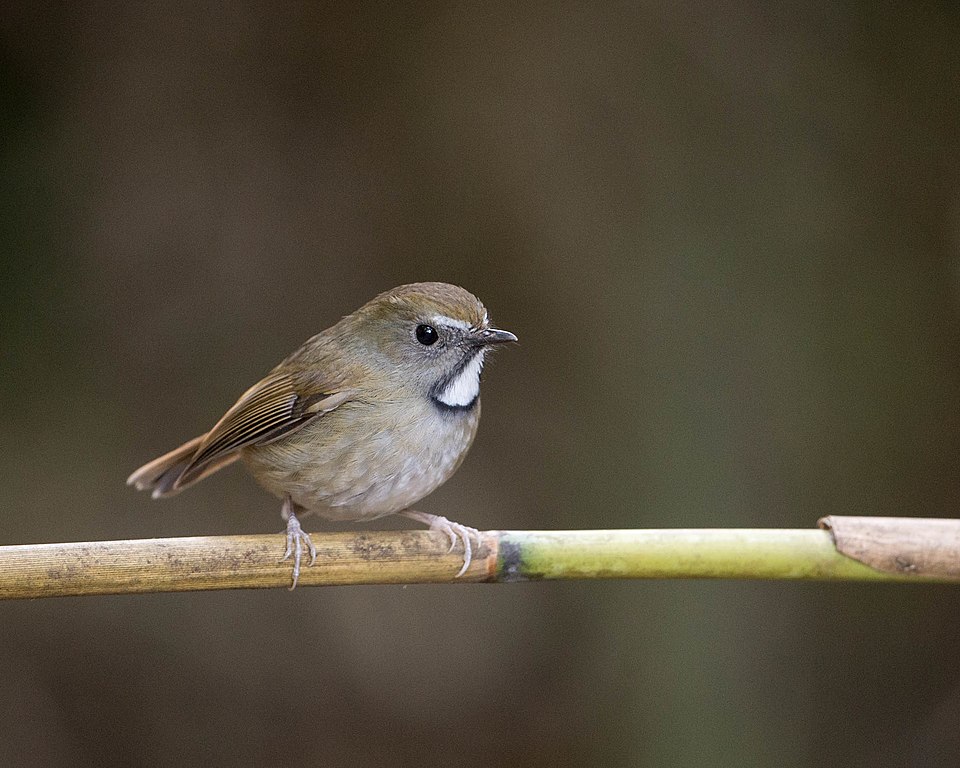
The Little Pied Flycatcher is unmistakable with its sharply contrasting black and white plumage. Adult males are particularly striking, with a glossy black head, back, and tail, contrasting sharply with their bright white underparts. A distinctive white patch on the wing adds to their visual appeal. Females, while less vividly colored, exhibit a more subdued palette with grayish-brown upperparts and paler underparts, though they still retain the characteristic white wing patch. Juveniles resemble females but often show more mottling and lack the clean delineation seen in adults. One might confuse the Little Pied Flycatcher with other flycatchers, yet its bold black and white pattern sets it apart. In flight, it presents a compact silhouette, with rapid wingbeats typical of small passerines. When perched, its posture is upright, often seen on a low branch or twig, scanning for aerial insects. The bird’s small size, around 10 to 12 cm in length, and its dynamic foraging behavior are key identification markers. Its vocalizations, though not as prominent as its visual traits, include a series of high-pitched whistles and chirps that can aid in identification.
Having trouble telling birds apart? Upload a photo to our bird identification tool for an instant species match.
Little Pied Flycatcher Habitat and Range
Preferred Habitat
The Little Pied Flycatcher inhabits montane forests, often found in moist, dense evergreen environments rich with foliage. It thrives at elevations of 900 to 2,400 meters, commonly associating with the understorey and mid-canopy of these forests. Regions such as the Eastern Himalayas and Southeast Asian mountain ranges provide ideal conditions for this species. During the non-breeding season, it may descend to lower altitudes, seeking areas with ample insect activity. Urban presence is rare, as the Little Pied Flycatcher favors natural, undisturbed habitats. This preference for forested areas underscores its vulnerability to habitat destruction, emphasizing the importance of conserving montane ecosystems.
Geographic Range
The Little Pied Flycatcher boasts a broad range across Asia, primarily within countries like India, Nepal, Bhutan, and Myanmar. It extends further into Southeast Asia, including Thailand and Malaysia. This bird exhibits residency in many parts of its range, with some populations showing altitudinal migration rather than long-distance flight. During breeding, it occupies higher elevations, retreating slightly lower in winter. Population density hotspots can be found in the Himalayan foothills and other montane regions, where forest cover provides optimal resources. The bird's range reflects its adaptability to specific forest types, though it remains absent from areas lacking sufficient tree cover.
Want to know which birds visit your area? Browse our backyard birds by location guides for region-specific species lists.
What Does the Little Pied Flycatcher Eat?
The Little Pied Flycatcher primarily feeds on insects, showcasing its role as an adept insectivore. It targets a variety of flying insects, including beetles, flies, and moths, using a sallying technique to capture prey mid-air. This method involves short flights from a perch to snatch insects, a behavior that requires agility and keen eyesight. Seasonal diet variations occur, with some shifts toward ground-dwelling insects during colder months when flying insects are less abundant. The flycatcher’s feeding schedule is diurnal, with peak activity during the early morning and late afternoon, times of heightened insect activity. Despite its focused diet, the flycatcher occasionally supplements its intake with small berries, though this remains secondary to its insectivorous habits.
Little Pied Flycatcher Behavior and Social Structure
The Little Pied Flycatcher displays solitary or paired behavior, particularly during the breeding season when it becomes distinctly territorial. Males perform courtship displays involving song and fluttering flights to attract females. Territorial disputes are common, with vocalizations and displays used to ward off intruders. Outside the breeding season, the flycatcher may join mixed-species foraging flocks, benefiting from the safety and increased foraging opportunities these groups provide. Its response to predators includes alarm calls and evasive flight. Daily activity patterns center around active foraging interspersed with periods of rest and preening. During dawn and dusk, the bird becomes especially vocal, participating in the dawn chorus typical of many passerines.
Little Pied Flycatcher Nesting and Reproduction
The Little Pied Flycatcher constructs cup-shaped nests using grass, moss, and leaves, often lining them with softer materials like feathers. Nests are typically placed in tree forks or on horizontal branches, sometimes utilizing natural cavities or abandoned woodpecker holes. Clutch size ranges from 2 to 4 eggs, with both parents involved in incubation, which lasts about 12 to 14 days. Fledging occurs approximately 14 to 18 days after hatching. The female predominantly incubates the eggs, while the male assists in feeding the young. The Little Pied Flycatcher usually raises one brood per year, though in optimal conditions, a second brood may occur.
Little Pied Flycatcher Sounds and Vocalizations
The primary song of the Little Pied Flycatcher consists of a series of high-pitched, melodious whistles that rise and fall in pitch, often described as a 'tsit-tsit-tsit' pattern. These vocalizations serve both territorial and mate attraction purposes. Its call notes are sharp and quick, used to communicate with mates or signal alarm when predators are near. During the dawn chorus, the Little Pied Flycatcher becomes notably vocal, contributing a distinctive voice to the symphony of forest sounds. Its alarm calls are harsher and more rapid, contrasting with the more musical quality of its typical song.
Interesting Facts About the Little Pied Flycatcher
- 1The Little Pied Flycatcher is one of the smallest flycatchers, measuring only 10 to 12 cm in length.
- 2Despite its small size, the Little Pied Flycatcher can catch insects mid-air with remarkable agility.
- 3This flycatcher is known to join mixed-species flocks, enhancing its foraging success and safety.
- 4Males and females often share parenting duties, with both involved in feeding the chicks.
- 5The Little Pied Flycatcher's striking plumage makes it a favorite among birdwatchers visiting montane forests.
Little Pied Flycatcher Conservation Status
The Little Pied Flycatcher currently holds a status of Least Concern on the IUCN Red List. However, its population shows signs of decline, primarily due to habitat loss from deforestation and forest degradation. As montane forests face increasing threats from logging and agricultural expansion, conservation efforts become critical. Protecting forest habitats and promoting sustainable land use practices are essential strategies for maintaining stable populations. Historical data indicate a stable population until recent decades, highlighting the urgency of conservation actions to prevent further declines.
Other Muscicapidae Species


Birds Similar to the Little Pied Flycatcher
These species are often confused with the Little Pied Flycatcher due to similar appearance or overlapping range.
