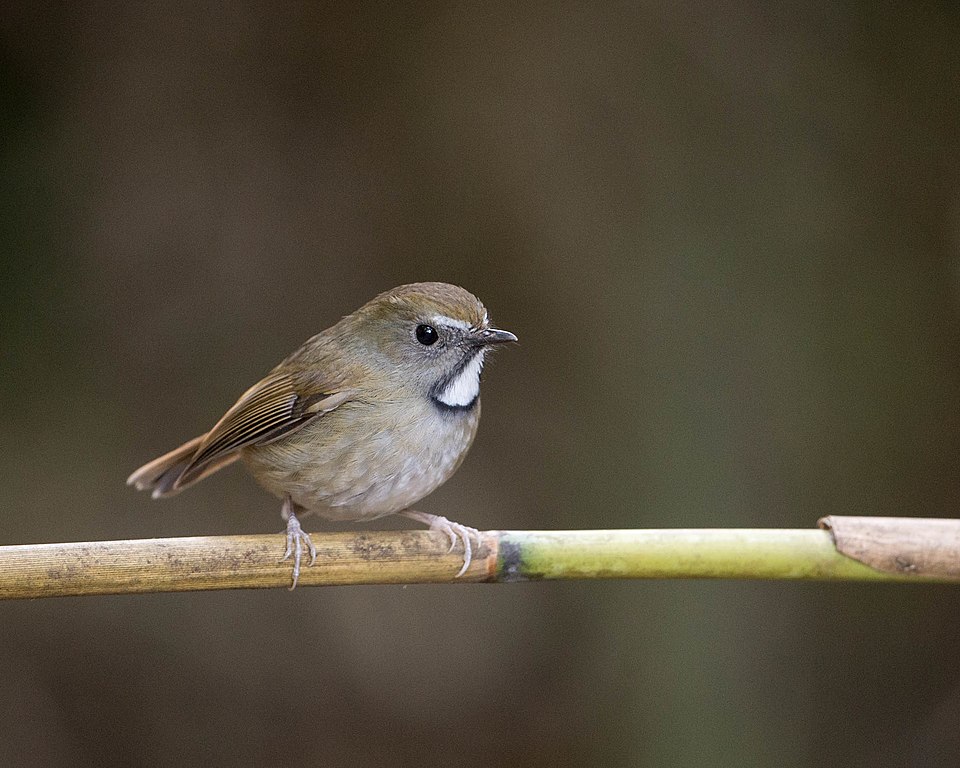
Littoral Rock-Thrush
Monticola imerina
Order: Passeriformes / Family: Muscicapidae

Wikimedia Commons
About the Littoral Rock-Thrush
The Littoral Rock-Thrush, scientifically known as Monticola imerina, is a striking bird endemic to Madagascar, primarily found along its coastal regions. This species is part of the Muscicapidae family, which includes a diverse array of songbirds. Noted for its vivid blue coloration, particularly in males, the Littoral Rock-Thrush is a captivating subject for bird watchers and researchers alike. The species plays a crucial ecological role as both predator and prey within its habitat, maintaining the delicate balance of its ecosystem. It consumes a diet rich in insects and small invertebrates, thus controlling pest populations, while also serving as a food source for larger predators like raptors and snakes.
The bird thrives in rocky coastal environments, where it utilizes the natural cover to nest and forage. Its presence is a good indicator of the health of these ecosystems, as it requires specific conditions to flourish. Seasonal behaviors of the Littoral Rock-Thrush include territorial displays during the breeding season, which occurs primarily from October to December. During this time, males engage in elaborate courtship displays to attract mates, showcasing their plumage and singing abilities.
Outside of the breeding season, the Littoral Rock-Thrush remains relatively sedentary due to its non-migratory nature, seldom venturing far from its established territory. Its adaptation to the unique coastal conditions of Madagascar makes it a species of interest for conservationists, as changes in environmental conditions or human encroachment can quickly impact its population. Efforts to study and preserve this bird contribute significantly to understanding Madagascar's broader biodiversity and ecological dynamics.
The Littoral Rock-Thrush belongs to the family Muscicapidae, within the order Passeriformes. These birds typically live typically 5-8 years, with some individuals reaching up to 10 years..
How to Identify a Littoral Rock-Thrush
The Littoral Rock-Thrush is a medium-sized bird characterized by its striking blue plumage, which is especially vibrant in males. Adult males display a rich cobalt blue on the head, back, and wings, with a contrasting orange-rufous breast and belly. In contrast, females and juveniles are more subdued, exhibiting a more brownish-gray coloration with faint blue hints, allowing them to blend into the rocky coastal terrain.
The difference between males and females is pronounced, not only in plumage but also in size, with males generally being slightly larger. The juvenile Littoral Rock-Thrushes resemble females but have more pronounced mottling, which provides additional camouflage. In flight, the species exhibits a distinctive silhouette with broad wings and a slightly forked tail, aiding in identification against the coastal backdrop.
This bird is often confused with other rock-thrushes, such as the Forest Rock-Thrush, but can be distinguished by its more vibrant blue and its preference for coastal habitats. When perched, the Littoral Rock-Thrush maintains an upright posture, often perching prominently on rocks or low shrubs, making it more visible despite its often camouflaged coloring.
Having trouble telling birds apart? Upload a photo to our bird identification tool for an instant species match.
Littoral Rock-Thrush Habitat and Range
Preferred Habitat
The Littoral Rock-Thrush is predominantly found in rocky coastal environments of Madagascar, where it utilizes the natural terrain for nesting and foraging. It prefers areas with abundant rock cover interspersed with sparse vegetation, offering both protection from predators and opportunities for feeding. This bird is typically found from sea level up to elevations of about 300 meters, rarely venturing further inland.
During the breeding season, the species shows a preference for more secluded rocky outcrops, often with crevices suitable for nesting. The Littoral Rock-Thrush is not commonly found in urban areas, as it tends to avoid human habitation. However, it may occasionally be observed in the outskirts of small coastal towns where natural habitats remain intact. The bird's reliance on specific coastal conditions highlights its vulnerability to habitat destruction and changes in land use.
Geographic Range
The Littoral Rock-Thrush is endemic to Madagascar, with its range primarily restricted to the country's eastern and northern coastal regions. It does not migrate, maintaining a relatively stable presence within its range year-round. The bird's distribution is closely tied to the availability of suitable rocky coastal habitats, which are more prevalent in the eastern parts of the island.
Within this range, population densities are highest in areas with undisturbed natural environments, where human impact is minimal. The lack of migration corridors underscores the importance of local conservation efforts to ensure suitable conditions are maintained for this species to thrive. Although its range is geographically limited, the Littoral Rock-Thrush's presence across various coastal sites indicates a relatively stable population, provided its habitat remains protected.
Want to know which birds visit your area? Browse our backyard birds by location guides for region-specific species lists.
What Does the Littoral Rock-Thrush Eat?
The diet of the Littoral Rock-Thrush consists primarily of insects and small invertebrates, which it actively forages for among rocky crevices and low vegetation. This bird employs a sit-and-wait strategy, often perching quietly before swooping down to capture prey items such as beetles, spiders, and caterpillars.
During the breeding season, when energy demands are higher, the Littoral Rock-Thrush may also consume small vertebrates like lizards to supplement its diet. The bird's foraging activity peaks during the cooler morning and late afternoon hours, taking advantage of the increased insect activity during these times. Seasonal diet variations are minimal due to the relatively stable climate of Madagascar's coastal regions, allowing the bird to maintain consistent feeding habits throughout the year.
Littoral Rock-Thrush Behavior and Social Structure
The Littoral Rock-Thrush exhibits a primarily solitary lifestyle, with individuals maintaining and defending territories, especially during the breeding season. Males are known for their territorial displays, which include singing from prominent perches and performing swooping flights to deter intruders. These behaviors are most pronounced from October to December when breeding occurs.
Courtship displays involve males showcasing their vivid plumage and engaging in song to attract females. Once paired, the birds remain monogamous for the season, with both partners participating in nest building and chick rearing. Outside the breeding season, the Littoral Rock-Thrush may form loose associations with other individuals, particularly during foraging.
The species exhibits a strong flight response to predators, quickly retreating to rocky cover when threatened. It is diurnal, with peak activity occurring during the early morning and late afternoon. Despite its solitary nature, the Littoral Rock-Thrush is an integral part of its ecosystem, participating in the balance of predator-prey dynamics within its habitat.
Littoral Rock-Thrush Nesting and Reproduction
The Littoral Rock-Thrush constructs its nest within crevices or ledges of rocky outcrops, using materials such as grasses, moss, and feathers to create a cup-shaped structure. This location choice provides protection from predators and harsh weather conditions. A typical clutch consists of 2 to 3 eggs, with an incubation period lasting approximately 14 to 16 days.
Both parents participate in incubating the eggs and feeding the chicks once they hatch. The fledging period is relatively short, with young birds leaving the nest after about 15 to 18 days. Parental care continues for a few weeks post-fledging, ensuring that the juveniles develop adequate foraging skills. The Littoral Rock-Thrush typically raises one brood per year, but in favorable conditions, a second brood may be attempted.
Littoral Rock-Thrush Sounds and Vocalizations
The primary song of the Littoral Rock-Thrush is a melodious series of clear, fluty notes, often delivered from a prominent perch. The rhythm is steady, with moderate pitch fluctuations that create a pleasant and easily recognizable tune. Call notes are softer and more subdued, serving as contact calls between mates or signaling alarm.
When threatened, the Littoral Rock-Thrush emits a sharp, repetitive alarm call to alert other birds of potential danger. During the dawn chorus, its song is among the first to be heard, setting the tone for the day in its coastal habitat.
Interesting Facts About the Littoral Rock-Thrush
- 1The Littoral Rock-Thrush can live up to 10 years in the wild, a notable lifespan for a small bird.
- 2Males' vibrant blue plumage is a sign of health and vitality, playing a crucial role during mate selection.
- 3This species exhibits strong site fidelity, often returning to the same breeding territory year after year.
- 4Research shows that Littoral Rock-Thrushes sing up to 30 different song variations, showcasing their vocal diversity.
- 5Despite its coastal preference, the Littoral Rock-Thrush rarely feeds on marine invertebrates, relying instead on terrestrial prey.
- 6The bird's song has been likened to that of the Nightingale, albeit shorter and less complex.
- 7The Littoral Rock-Thrush's presence in an area can indicate a healthy ecosystem, highlighting its role as a bioindicator.
Littoral Rock-Thrush Conservation Status
The Littoral Rock-Thrush is currently classified as Near Threatened by the IUCN, with populations suspected to be declining due to habitat loss and degradation. Coastal development, deforestation, and human encroachment pose significant threats to its habitat. Conservation efforts focus on habitat protection and restoration, with some success in stabilizing populations in protected areas. Historical records indicate a wider range, but human activity has since restricted its distribution. Continued conservation actions are essential to prevent further decline and ensure the long-term survival of this unique species.