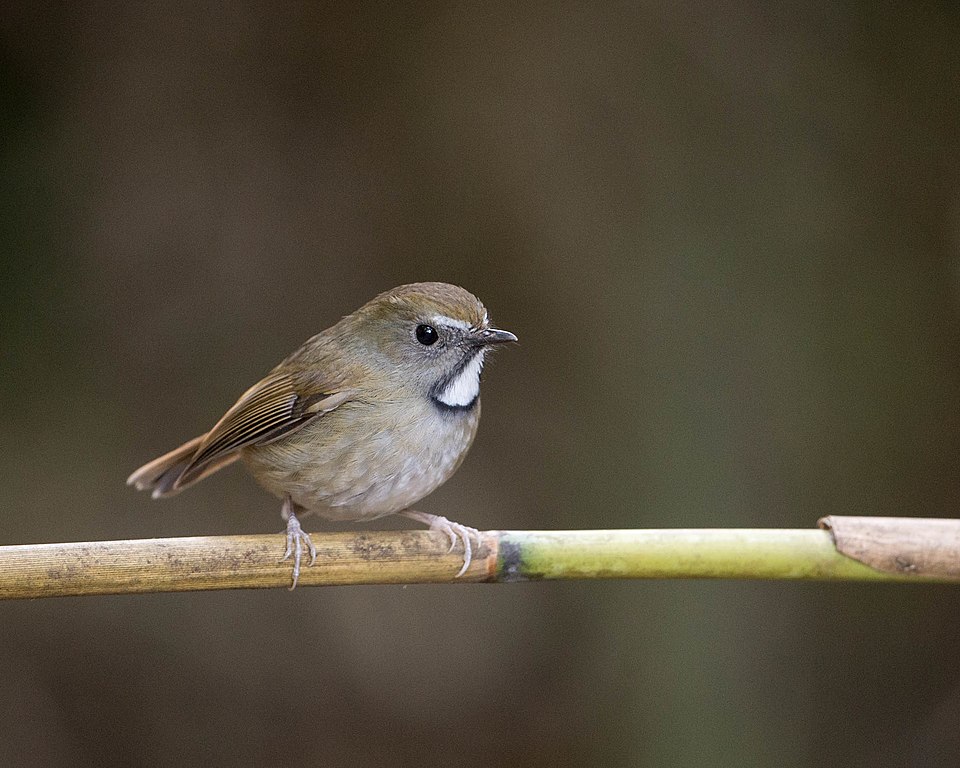
Lompobattang Flycatcher
Ficedula bonthaina
Order: Passeriformes / Family: Muscicapidae

Wikimedia Commons
About the Lompobattang Flycatcher
The Lompobattang Flycatcher (Ficedula bonthaina) is a small passerine bird endemic to the island of Sulawesi in Indonesia, specifically favoring the montane forests of the island's southern regions. Known for its distinctive plumage and melodious song, this bird plays a critical role in its ecosystem as both a predator of insects and a prey species for larger birds and mammals. Its significance extends to being an indicator of forest health, as its presence often correlates with undisturbed forest areas.
Sulawesi, part of the Wallacea biodiversity hotspot, provides a unique setting for the Lompobattang Flycatcher. The bird predominantly inhabits the high-altitude forests of Mount Lompobattang and its vicinity, where it contributes to the dynamic ecosystem through its foraging activities. During the breeding season, which typically spans from March to May, the flycatcher engages in complex courtship displays and establishes territories within dense forest canopies.
As a largely insectivorous bird, the Lompobattang Flycatcher impacts insect populations, thus maintaining ecological balance. It forages actively, capturing a variety of insects and arthropods, which aids in controlling pest populations. The bird's role extends beyond simple predation; it also helps in seed dispersal, albeit to a lesser extent, by occasionally consuming small fruits. This dual role underscores its ecological importance.
The flycatcher's presence is critical in conserving the montane forest ecosystem of Sulawesi. As deforestation and habitat fragmentation pose significant threats, the conservation of this species has become increasingly important. Protecting the Lompobattang Flycatcher and its habitat helps ensure the survival of numerous other species that share this unique ecological niche.
The Lompobattang Flycatcher belongs to the family Muscicapidae, within the order Passeriformes. These birds typically live averages around 4-6 years, with some living up to 9 years..
How to Identify a Lompobattang Flycatcher
Adult Lompobattang Flycatchers exhibit a striking plumage that aids in their identification. Males have a blue-gray upper body with a vivid orange throat and chest, which contrasts with their white belly. Females, while less vibrant, display a more muted grayish-brown upper body with a subdued orange tone on the chest. Juveniles resemble females but lack the more defined color contrasts, making them slightly more challenging to identify.
One of the key identification features of the Lompobattang Flycatcher is its compact size and distinctive coloration. The bird's small stature, typically around 12 cm in length, can make it easy to overlook in dense foliage. However, its bright chest and active behavior often give it away. In flight, it presents a rapid, fluttering motion with occasional glides, somewhat reminiscent of other Ficedula species but distinguishable by its unique color patterns.
When perched, the Lompobattang Flycatcher maintains an upright posture, often tilting its head slightly as it scans for prey. It can sometimes be confused with the Blue-fronted Flycatcher, another species within the same genus, but the latter's more extensive blue coloration and different regional distribution help differentiate the two. Careful observation of plumage details and behavior is crucial for accurate identification.
Having trouble telling birds apart? Upload a photo to our bird identification tool for an instant species match.
Lompobattang Flycatcher Habitat and Range
Preferred Habitat
The Lompobattang Flycatcher inhabits the montane forests of southern Sulawesi, particularly favoring elevations between 1,200 and 2,500 meters. These forests are characterized by dense canopies and a rich undergrowth, providing ample opportunities for foraging and nesting. Within this habitat, the bird thrives in areas with abundant insect life and minimal human disturbance.
While primarily a montane forest dweller, the Lompobattang Flycatcher adapts to slight seasonal shifts by moving to slightly lower elevations during periods of extreme weather. This altitudinal migration helps the bird cope with changes in food availability and climate conditions. Unlike some other flycatcher species, it does not venture into urban areas or heavily disturbed landscapes, underscoring its reliance on pristine forest environments.
The bird's habitat preferences highlight the importance of conserving Sulawesi's high-altitude forests. These regions not only harbor the Lompobattang Flycatcher but also serve as a refuge for other endemic species. Efforts to protect these areas are crucial for maintaining the ecological integrity of the region.
Geographic Range
The Lompobattang Flycatcher is endemic to Sulawesi, Indonesia, with its range limited to the southern part of the island. It is primarily found in the montane forests of the Lompobattang Massif, where it occupies a relatively small geographic area compared to more widespread species. This restricted range makes the bird particularly vulnerable to habitat loss and environmental changes.
The bird's breeding range aligns closely with its overall distribution, as it nests within the high-altitude forests that it inhabits year-round. There is no significant migratory movement beyond localized altitudinal shifts, which occur in response to seasonal weather variations. The bird remains within Sulawesi throughout the year, emphasizing its status as a resident species.
Population density is highest in regions where forest cover remains intact, particularly within protected areas that offer sanctuary from logging and agriculture. Conservation efforts focus on these hotspots to ensure the survival of the Lompobattang Flycatcher and other species that share its habitat.
Want to know which birds visit your area? Browse our backyard birds by location guides for region-specific species lists.
What Does the Lompobattang Flycatcher Eat?
The diet of the Lompobattang Flycatcher primarily consists of insects and other small arthropods, which it captures with agility and precision. The bird employs a variety of foraging techniques, including hawking insects mid-air and gleaning prey from foliage. This active foraging behavior is crucial for maintaining its energy levels and supporting its rapid metabolism.
During the breeding season, the flycatcher increases its food intake to meet the demands of raising young. It may also diversify its diet to include small fruits and berries when insect availability declines, particularly during the wetter months. This dietary flexibility allows the bird to adapt to seasonal variations in food resources.
Prey size varies, but the bird typically targets small to medium-sized insects, including beetles, flies, and caterpillars. Feeding occurs throughout the day, with peak activity in the early morning and late afternoon when insects are most abundant. This schedule helps the Lompobattang Flycatcher maximize its foraging efficiency.
Lompobattang Flycatcher Behavior and Social Structure
The Lompobattang Flycatcher displays a variety of intriguing behaviors that contribute to its survival and reproductive success. As a generally solitary bird, it exhibits strong territorial instincts, particularly during the breeding season. Males establish and defend territories through vocal displays and occasional physical confrontations with rivals.
Courtship displays are an essential aspect of the flycatcher's behavior. Males perform elaborate aerial displays and vocalizations to attract females, showcasing their fitness and suitability as mates. Once pairs form, they cooperate closely during the nesting period, sharing responsibilities such as nest building and chick rearing.
The bird's daily activities revolve around foraging and territory maintenance. It remains active throughout the day, with lulls during the hottest midday hours. The flycatcher responds to predators with a combination of alarm calls and evasive maneuvers, often retreating to dense cover to avoid detection.
The Lompobattang Flycatcher does not typically form large flocks but may join mixed-species feeding groups, particularly outside the breeding season. This behavior enhances foraging success and provides additional protection from predators.
Lompobattang Flycatcher Nesting and Reproduction
Nesting for the Lompobattang Flycatcher involves constructing a cup-shaped nest, often situated in the fork of a tree or nestled within dense foliage. The nest is crafted from a combination of moss, leaves, and other plant materials, providing both camouflage and insulation for the eggs and chicks.
The typical clutch consists of 2 to 3 eggs, which the female incubates for approximately 14 days. During this period, the male plays a supportive role, providing food and guarding the nest site. Once the chicks hatch, both parents share the responsibility of feeding and caring for the young, ensuring a steady supply of insect prey.
The fledging period lasts about 16 to 18 days, after which the young birds leave the nest but continue to rely on parental support as they hone their foraging skills. The Lompobattang Flycatcher typically raises one brood per year, with the potential for a second if conditions are favorable.
Lompobattang Flycatcher Sounds and Vocalizations
The Lompobattang Flycatcher's song is a melodious series of whistles and trills, characterized by a pleasing, rhythmic quality. The pitch varies, often rising and falling in a pattern that can be both soothing and distinct, making it a favorite among birdwatchers visiting Sulawesi.
Call notes are sharp and quick, used primarily for communication between mates and to alert others of potential threats. The bird's alarm calls are harsher, serving as a warning to other birds in the vicinity when a predator is nearby.
The Lompobattang Flycatcher participates in the dawn chorus, contributing its voice to the symphony of sounds that mark the beginning of a new day in the forest. Its song, while unique, bears some resemblance to other members of the Ficedula genus, though its distinct rhythm and pitch help differentiate it.
Interesting Facts About the Lompobattang Flycatcher
- 1The Lompobattang Flycatcher was first described in 1928 by Erwin Stresemann, a renowned German ornithologist.
- 2Despite its limited range, the Lompobattang Flycatcher plays a crucial role as a bioindicator for the health of Sulawesi's montane forests.
- 3This bird's name, 'Lompobattang,' comes from the mountain range in southern Sulawesi where it is primarily found.
- 4The Lompobattang Flycatcher's song is often described as one of the more melodious among Sulawesi's endemic bird species.
- 5It has a close relative, the Blue-fronted Flycatcher, that occupies a similar niche but in different regions of Indonesia.
- 6The Lompobattang Flycatcher is part of the Muscicapidae family, which includes over 300 species of small insectivorous birds.
- 7For conservation, the species relies heavily on the integrity of its montane forest habitat, making it susceptible to logging activities.
Lompobattang Flycatcher Conservation Status
The Lompobattang Flycatcher is currently classified as Near Threatened on the IUCN Red List, with population trends indicating a potential decline due to habitat loss and degradation. The primary threats to its survival are deforestation and land conversion for agriculture, which reduce the extent of suitable montane forest habitat. Conservation efforts focus on protecting remaining forest areas and establishing reserves to safeguard the bird's habitat. Local and international initiatives aim to raise awareness of the species' plight and promote sustainable land management practices that benefit both wildlife and local communities. Historically, the Lompobattang Flycatcher's population has fluctuated in response to environmental changes. Continued monitoring and research are essential to understanding the dynamics of its population and implementing effective conservation strategies.