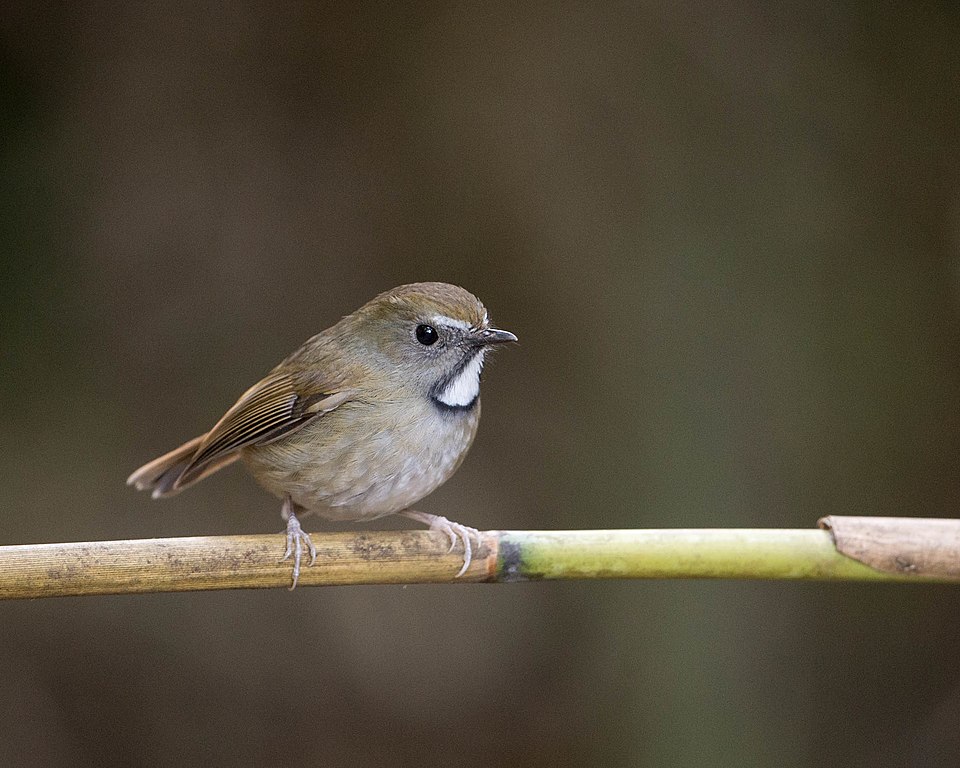
Malaysian Blue Flycatcher
Cyornis turcosus
Order: Passeriformes / Family: Muscicapidae

Wikimedia Commons
About the Malaysian Blue Flycatcher
The Malaysian Blue Flycatcher, scientifically known as Cyornis turcosus, captivates bird enthusiasts and ornithologists with its vivid blue plumage and melodious song. This avian species, belonging to the Muscicapidae family, is native to the tropical forests of Southeast Asia, particularly thriving in Malaysia, Thailand, and Indonesia. It is predominantly found in lowland rainforests but can also adapt to secondary growth and mangrove ecosystems. The Malaysian Blue Flycatcher plays a crucial role in its ecosystem as both a predator and a pollinator. By consuming insects, particularly during the breeding season, it helps control pest populations, which benefits the overall health of the forest. Moreover, as it forages, it inadvertently assists in seed dispersal, contributing to the regeneration of its habitat. The species is non-migratory, maintaining a year-round presence in its native range. During the breeding season, which typically occurs from March to July, the Malaysian Blue Flycatcher becomes more vocal and visible, as males sing to attract mates and defend territories. These birds are not only important for maintaining ecological balance but also hold cultural significance in the regions they inhabit, often being featured in local folklore and art. Despite their beauty and ecological importance, Malaysian Blue Flycatchers face threats from habitat loss due to deforestation, making conservation efforts crucial for their continued survival.
The Malaysian Blue Flycatcher belongs to the family Muscicapidae, within the order Passeriformes. These birds typically live average 4-6 years, with the longest recorded at 7 years..
How to Identify a Malaysian Blue Flycatcher
Adult Malaysian Blue Flycatchers are easily recognizable by their radiant blue coloration on the upper parts, including the head, back, and wings. The throat and chest exhibit a contrasting light orange hue, blending into a white belly. Males generally display more intense colors compared to females, whose plumage is slightly duller, aiding in camouflage during nesting. Juveniles of the species resemble females but have additional brown streaks on their upper parts, which gradually disappear as they mature. This bird could be confused with other blue flycatchers, such as the Blue-and-white Flycatcher, yet it is differentiated by the distinct orange on its chest and throat. In flight, the Malaysian Blue Flycatcher presents a compact silhouette with rapid, direct movements. When perched, it exhibits a characteristic upright posture, often flitting from branch to branch while foraging.
Having trouble telling birds apart? Upload a photo to our bird identification tool for an instant species match.
Malaysian Blue Flycatcher Habitat and Range
Preferred Habitat
The Malaysian Blue Flycatcher primarily inhabits lowland rainforests, preferring areas with dense understory for cover and foraging. It can also thrive in disturbed forests and mangrove swamps, showing some adaptability to habitat changes. Typically found at elevations below 1,000 meters, this species does not migrate altitudinally, remaining in similar habitats year-round. Although more common in forested and rural settings, it can occasionally be spotted in urban parks with sufficient tree cover, illustrating its adaptive nature.
Geographic Range
The Malaysian Blue Flycatcher is a resident species within the tropical regions of Southeast Asia. Its range extends across peninsular Malaysia, southern Thailand, and parts of Borneo and Sumatra in Indonesia. Unlike many migratory birds, the Malaysian Blue Flycatcher remains within its tropical environment throughout the year, as its habitat provides the necessary resources. Within its range, population density is highest in undisturbed lowland rainforests, though it can also be observed in secondary forests and mangroves.
Want to know which birds visit your area? Browse our backyard birds by location guides for region-specific species lists.
What Does the Malaysian Blue Flycatcher Eat?
The Malaysian Blue Flycatcher primarily feeds on insects, which it captures by sallying from a perch to snatch prey mid-air or by gleaning from foliage. Its diet consists of a variety of arthropods, including beetles, caterpillars, and ants, with occasional consumption of small fruits and berries, particularly during non-breeding seasons when insect abundance decreases. This opportunistic feeding strategy allows it to exploit available resources effectively, ensuring survival in diverse environments. Foraging typically occurs during the early morning and late afternoon, aligning with peak insect activity.
Malaysian Blue Flycatcher Behavior and Social Structure
Malaysian Blue Flycatchers are solitary or found in pairs, especially during the breeding season when males actively defend their territories through song and displays. Courtship involves males showcasing their vibrant plumage and performing aerial displays. These birds are diurnal, with peak activity in the cooler hours of the day. They exhibit strong territorial instincts, often chasing away intruders of the same or other species. When threatened by predators, such as snakes or large birds, they will issue sharp alarm calls and may engage in mobbing behavior to deter the threat.
Malaysian Blue Flycatcher Nesting and Reproduction
The Malaysian Blue Flycatcher builds cup-shaped nests using fine grass, roots, and spider silk, typically located in tree forks or bushes at varying heights. The female constructs the nest and lays 2-4 eggs per clutch. Both parents participate in incubation, which lasts about 12-14 days. After hatching, the chicks are altricial and require intensive care. They fledge approximately 15-18 days after hatching. This species can produce up to two broods per year, depending on environmental conditions and food availability, allowing for rapid population growth in ideal circumstances.
Malaysian Blue Flycatcher Sounds and Vocalizations
The primary song of the Malaysian Blue Flycatcher is a sweet, melodious series of whistles and warbles, often compared to a flute-like tune. Calls include short, sharp 'chip' notes used for communication between mates or to signal danger. During the dawn chorus, males sing more frequently to establish territory and attract females. These vocalizations are crucial during the breeding season, serving as both a mating call and a territorial warning to other males, ensuring they maintain control over their chosen area.
Interesting Facts About the Malaysian Blue Flycatcher
- 1The Malaysian Blue Flycatcher can distinguish between different insect species, opting for those with higher nutritional value.
- 2During courtship, males perform a display flight, showcasing their vibrant plumage to potential mates in a dazzling aerial show.
- 3Malaysian Blue Flycatchers are sometimes seen following army ant swarms, catching insects disturbed by the ants' movement.
- 4Despite their vivid coloration, these birds remain well-camouflaged in their forest habitats, thanks to dappled sunlight filtering through the canopy.
- 5The species' melodious song has made it a subject of interest for local culture, inspiring music and poetry.
Malaysian Blue Flycatcher Conservation Status
Currently, the Malaysian Blue Flycatcher is classified as Least Concern by the IUCN. However, its population is experiencing pressure from habitat destruction due to logging and land conversion for agriculture. Conservation efforts focus on preserving natural forest habitats and enforcing sustainable forestry practices. Historical records suggest a decline in numbers in areas where deforestation is rampant, emphasizing the need for continued habitat protection to safeguard this species.