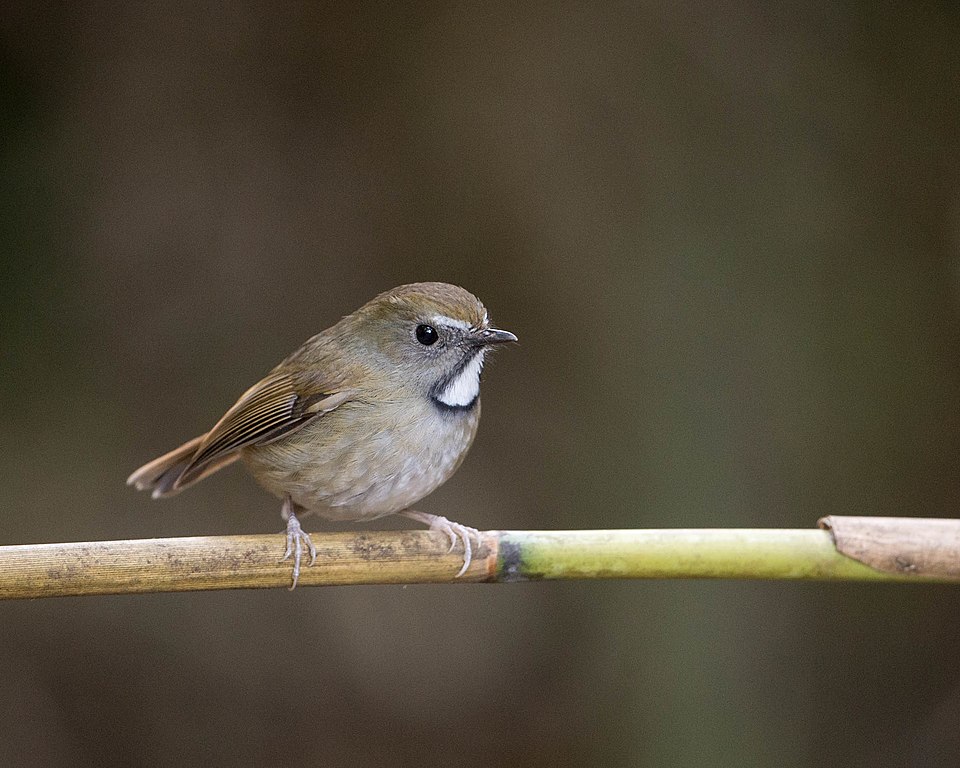
Mangrove Blue Flycatcher
Cyornis rufigastra
Order: Passeriformes / Family: Muscicapidae

Wikimedia Commons
About the Mangrove Blue Flycatcher
The Mangrove Blue Flycatcher, Cyornis rufigastra, is a captivating bird species that thrives in the lush mangrove ecosystems of Southeast Asia. This small passerine is a member of the Muscicapidae family and is renowned for its striking blue and orange plumage. Its vibrant colors not only serve as a visual delight for birdwatchers but also play a crucial role in its mating rituals. The Mangrove Blue Flycatcher primarily inhabits mangrove forests, a unique and biodiverse habitat type found along tropical and subtropical coastlines, particularly in countries like Indonesia, Malaysia, and the Philippines. These habitats provide essential resources such as food, shelter, and breeding grounds for this species. The flycatcher plays a significant ecological role, helping control insect populations within these ecosystems. By feeding on a variety of insects, it contributes to maintaining a balanced ecosystem. This species is also a key indicator of mangrove health, as its presence often signifies a thriving environment. The Mangrove Blue Flycatcher exhibits seasonal behaviors, with breeding typically occurring during the wet season when food resources are abundant. During this time, males become more vocal and display their vivid plumage to attract mates. They often establish territories within mangrove forests, defending them vigorously from intruding rivals. Outside of the breeding season, these flycatchers may be less territorial and more solitary, focusing on foraging. Overall, the Mangrove Blue Flycatcher is not only a striking representative of its habitat but also a vital component of the mangrove ecosystem, supporting the delicate balance of life in these unique environments.
The Mangrove Blue Flycatcher belongs to the family Muscicapidae, within the order Passeriformes. These birds typically live typically 5-7 years, with some individuals living longer in optimal conditions..
How to Identify a Mangrove Blue Flycatcher
Identifying the Mangrove Blue Flycatcher is relatively straightforward due to its distinctive coloration. Adult males boast a vivid cobalt-blue upper body, contrasting with a warm orange-rusty breast and a white underside. The females, while similar in coloration, tend to have a slightly duller blue and a paler orange breast. Juveniles can be differentiated by their more subdued and mottled appearance, lacking the full intensity of adult plumage. Observers should note the flycatcher’s medium size, which is typical for the Muscicapidae family. Its silhouette is characterized by a slender body, a relatively long tail, and a compact head, often giving the impression of a swift, agile bird. When perched, the Mangrove Blue Flycatcher often exhibits a slightly upright posture, a common trait among flycatchers. In flight, it displays a quick, fluttery pattern typical of insectivorous birds. While it might be confused with other blue flycatchers, the combination of its habitat preference, coloration, and behavior generally sets it apart.
Having trouble telling birds apart? Upload a photo to our bird identification tool for an instant species match.
Mangrove Blue Flycatcher Habitat and Range
Preferred Habitat
The Mangrove Blue Flycatcher primarily inhabits mangrove forests, which are found along the coastal regions of Southeast Asia. These habitats are characterized by saline environments where salt-tolerant trees thrive. The bird is most commonly found from sea level up to low elevations, rarely venturing into higher altitudes. Mangrove forests provide a rich array of foraging opportunities and nesting sites. Unlike some other flycatchers, the Mangrove Blue Flycatcher is closely associated with these wetland ecosystems and does not typically venture into urban areas. During the dry season, it may be found in slightly drier habitats that are adjacent to mangroves, but it remains largely tied to coastal environments.
Geographic Range
The range of the Mangrove Blue Flycatcher spans across several countries in Southeast Asia, including Indonesia, Malaysia, the Philippines, and Thailand. Its presence is predominantly coastal, closely tied to mangrove ecosystems. While it does not undertake long migratory journeys, the species may engage in minor altitudinal movements in response to seasonal changes in food availability. Population densities are generally higher in regions with extensive, healthy mangrove forests. The Philippines and the coastal areas of Borneo and Sumatra are known hotspots for this species, where their numbers can be observed more consistently.
Want to know which birds visit your area? Browse our backyard birds by location guides for region-specific species lists.
What Does the Mangrove Blue Flycatcher Eat?
The Mangrove Blue Flycatcher's diet primarily consists of insects, which it captures through a combination of aerial sallies and gleaning from foliage. During the wet season, when insect populations peak, the flycatcher engages in more frequent foraging activities to meet the demands of breeding and chick-rearing. It targets a variety of insects, including beetles, flies, and caterpillars, typically selecting prey that ranges from small to medium in size. Its feeding schedule is largely diurnal, with peak activity observed in the early morning and late afternoon. During these times, the flycatcher can often be seen darting between mangrove branches in pursuit of its next meal.
Mangrove Blue Flycatcher Behavior and Social Structure
The Mangrove Blue Flycatcher exhibits intriguing social and territorial behaviors, particularly during the breeding season. Males become highly territorial, often engaging in vocal displays and physical confrontations to defend their chosen areas within the mangrove forest. Their song, a series of melodious notes, serves both to attract females and to deter rival males. Courtship involves elaborate displays where the male showcases his plumage while performing fluttering flights. Outside of breeding, the flycatcher tends to be more solitary, focusing on foraging. It maintains a daily routine, with foraging activities peaking in the cooler hours of the day. When faced with predators, the flycatcher relies on its agility and speed, often retreating into dense mangrove foliage to evade capture.
Mangrove Blue Flycatcher Nesting and Reproduction
The nesting habits of the Mangrove Blue Flycatcher are closely tied to the mangrove environments it inhabits. The species typically constructs cup-shaped nests in the forks of mangrove trees, using materials like twigs, leaves, and roots. The female lays a clutch of 2-4 eggs, which are incubated for about two weeks. Both parents participate in feeding and caring for the hatchlings. Fledging occurs approximately two weeks after hatching, with young birds staying close to the nest as they learn to forage. The Mangrove Blue Flycatcher often raises two broods per year, taking advantage of the abundant resources available during the wet season.
Mangrove Blue Flycatcher Sounds and Vocalizations
The primary song of the Mangrove Blue Flycatcher is a series of melodious, high-pitched whistles that can be heard echoing through the mangrove forests. The song serves as both a mating call and a territorial signal. It is characterized by a rhythmic pattern that can vary slightly between individuals. In addition to their song, flycatchers produce sharp call notes that serve as alarms or communication between mates. During the dawn chorus, the male's song is most pronounced, adding a vibrant soundscape to the mangrove environment.
Interesting Facts About the Mangrove Blue Flycatcher
- 1The Mangrove Blue Flycatcher can be found in mangrove ecosystems, which cover approximately 137,000 square kilometers globally.
- 2Despite its vibrant coloration, the Mangrove Blue Flycatcher is often difficult to spot due to its preference for dense foliage.
- 3The Mangrove Blue Flycatcher is one of over 300 species of birds that rely on mangroves for survival.
- 4Males are known to sing more frequently during the early morning hours, making them more audible than visible.
- 5Mangrove forests, the primary habitat of this species, are known to be one of the most carbon-rich habitats in the world.
- 6In some regions, the Mangrove Blue Flycatcher is considered an important bioindicator of mangrove forest health.
- 7The flycatcher's diet primarily consists of insects, helping control pest populations in mangrove ecosystems.
Mangrove Blue Flycatcher Conservation Status
Currently, the Mangrove Blue Flycatcher is not listed as endangered, but its population trends are closely linked to the health of mangrove ecosystems. Habitat loss due to coastal development, pollution, and climate change poses significant threats. Conservation efforts focus on preserving mangrove habitats and raising awareness about their ecological importance. Historical data suggests that while the population is stable in some regions, localized declines have occurred where mangroves have been extensively degraded.