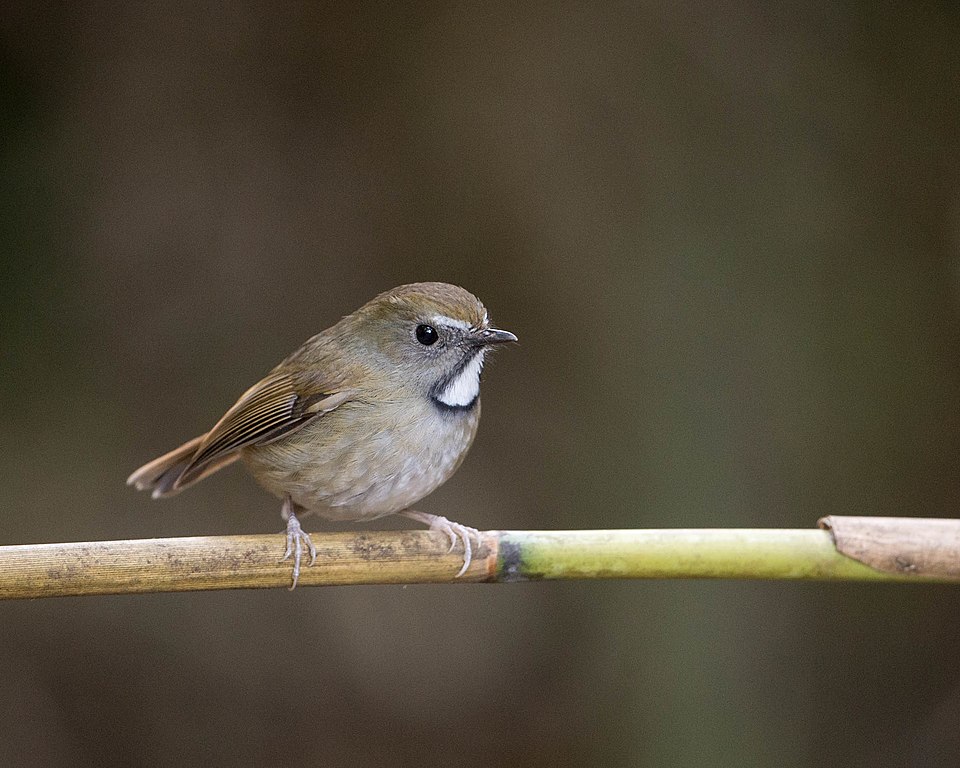
Mariqua Flycatcher
Bradornis mariquensis
Order: Passeriformes / Family: Muscicapidae

Wikimedia Commons
About the Mariqua Flycatcher
The Mariqua Flycatcher, scientifically known as Bradornis mariquensis, is a medium-sized passerine bird found predominantly in the savannas and woodland regions of Sub-Saharan Africa. This species plays a critical role in its ecosystem as an insect controller, helping to maintain ecological balance. These birds are most commonly sighted in countries such as Botswana, Namibia, South Africa, and Zimbabwe, where they inhabit open woodlands and bushveld areas. They are adaptable, often seen in both acacia-dominated savannas and miombo woodlands. These flycatchers exhibit a seasonal behavioral pattern, often migrating locally within their range in response to rainfall patterns, which affect insect availability. During the wet season, they are more widely dispersed due to the abundance of food, while in drier months, they converge in areas with consistent water sources. The Mariqua Flycatcher is a significant presence in its native regions, not only for its role in controlling insect populations but also as a subject of interest for birdwatchers and naturalists. Despite its modest size, the bird's striking behavior and adaptability to different environments make it a fascinating species. Observers often note their active foraging habits and territorial displays, which add to the dynamic tapestry of African avian life. Furthermore, their presence in both protected areas and community lands highlights the importance of conservation efforts across diverse landscapes. The Mariqua Flycatcher contributes to the biodiversity and ecological health of its habitats, serving as both a predator of insects and prey for larger birds. Its adaptability to various habitats, from dense woodlands to suburban gardens, exemplifies the resilience and ecological importance of this species. Seasonal flocking behavior reflects their adaptability to environmental changes, and their breeding success is closely tied to the availability of key resources such as nesting sites and food. This adaptability underscores the importance of maintaining diverse habitats to support the species' continued survival.
The Mariqua Flycatcher belongs to the family Muscicapidae, within the order Passeriformes. These birds typically live average 5 years, with some living up to 9 years..
How to Identify a Mariqua Flycatcher
The Mariqua Flycatcher is a medium-sized bird with a length of approximately 17 to 19 centimeters and a wingspan of around 25 centimeters. Adult birds display a predominantly gray plumage, with variations in shade between individuals. The underparts are typically lighter gray, and the throat is often paler still. Juvenile birds can be distinguished by their slightly browner tones and faint streaking on the breast. Males and females appear similar, making it difficult to distinguish between the sexes in the field. One of the defining features of the Mariqua Flycatcher is its distinct white outer tail feathers, which are particularly noticeable in flight. The bird's beak is short and robust, well-suited for its insectivorous diet. Perched birds present a sleek silhouette, often adopting an upright stance on exposed branches. In flight, their broad wings and characteristic tail pattern help in identification. Differentiating the Mariqua Flycatcher from similar species, such as the Southern Black Flycatcher, involves noting the lighter plumage and the absence of the entirely black coloration. The Mariqua Flycatcher's call, a series of sharp and metallic notes, can also aid in identification when visual confirmation is challenging.
Having trouble telling birds apart? Upload a photo to our bird identification tool for an instant species match.
Mariqua Flycatcher Habitat and Range
Preferred Habitat
Mariqua Flycatchers inhabit a range of open and semi-open areas, often favoring savannas, woodlands, and bushveld regions. They thrive in acacia-dominated landscapes and are frequently observed in miombo woodlands. These birds can occupy elevations ranging from sea level to approximately 2,000 meters, with a preference for areas where insect prey is abundant. Seasonal changes can lead to habitat shifts, as the birds move to wetter areas during dry periods to find food. While primarily rural in distribution, Mariqua Flycatchers have been noted in suburban gardens and parks, demonstrating their adaptability to human-altered landscapes. Urban presence is less common but not unheard of, particularly in well-vegetated areas. Conservation of their natural habitats is crucial, as these environments provide the resources necessary for their survival.
Geographic Range
The Mariqua Flycatcher's range spans across much of Sub-Saharan Africa, with strong populations in Botswana, Namibia, South Africa, and Zimbabwe. These birds are generally resident, though some local movements occur in response to environmental conditions. During the breeding season, they are found in higher densities in regions with abundant food and suitable nesting sites. Their distribution covers both the Kalahari Basin and the coastal regions of southern Africa, although they are less common in densely forested areas. Migration corridors are limited to short, localized movements rather than extensive migrations. Throughout their range, population densities vary, with significant numbers found in protected reserves and wilderness areas where conservation measures are in place. Although the Mariqua Flycatcher is not typically found in the extreme northern or southern fringes of its continental range, it is widespread and common within its core habitat zones.
Want to know which birds visit your area? Browse our backyard birds by location guides for region-specific species lists.
What Does the Mariqua Flycatcher Eat?
The Mariqua Flycatcher's diet primarily consists of insects and other small invertebrates. They are adept at catching prey on the wing, displaying agile flight and precise maneuvering. During the wet season, when insects are plentiful, they consume a variety of flies, beetles, and moths. In drier months, their diet may shift slightly to include other available invertebrates such as spiders and larvae. Foraging typically occurs during daylight hours, with peak activity in the early morning and late afternoon. These birds employ a 'sit-and-wait' hunting technique, perching conspicuously before launching brief flights to snatch prey mid-air. Prey size varies but generally includes insects up to 2 centimeters in length. The Mariqua Flycatcher's feeding schedule aligns closely with insect activity, making it a key player in controlling pest populations.
Mariqua Flycatcher Behavior and Social Structure
The Mariqua Flycatcher exhibits a range of interesting behaviors that are of great interest to birdwatchers and naturalists. These flycatchers are generally solitary or found in pairs, particularly during the breeding season when they become noticeably territorial. Males engage in song displays to defend their territory and attract mates, often perching prominently while singing. Courtship involves aerial displays and the presentation of food offerings to females. Outside the breeding season, the Mariqua Flycatcher may join mixed-species flocks, benefiting from the increased foraging efficiency and predator avoidance. Their response to predators includes alarm calls and evasive flight patterns. Daily activity patterns include active foraging in the morning and late afternoon, with periods of rest during the hotter parts of the day. Mariqua Flycatchers are primarily diurnal, although they may continue feeding into the twilight hours during longer summer days. Their keen eyesight and agile flight make them effective insect hunters, while their vocalizations play a crucial role in maintaining social bonds and territory boundaries.
Mariqua Flycatcher Nesting and Reproduction
The Mariqua Flycatcher constructs a cup-shaped nest using a variety of materials, including grass, twigs, and rootlets, lined with softer materials such as feathers or plant down. Nests are typically placed in the fork of a tree branch or sometimes within dense shrubbery, usually 2 to 5 meters above the ground. The breeding season varies depending on region but generally coincides with the wet season when food is abundant. Clutch size ranges from two to four eggs, which are incubated primarily by the female for about 12 to 14 days. Both parents participate in feeding the chicks, which fledge approximately two weeks after hatching. The number of broods per year can vary with environmental conditions, but one to two broods are common. Parental roles are clearly defined, with males often taking on territorial defense while females focus on nurturing the young.
Mariqua Flycatcher Sounds and Vocalizations
The primary song of the Mariqua Flycatcher consists of a series of short, metallic notes delivered in rapid succession. The rhythm is steady, with a clear pitch that can carry over considerable distances. Call notes are sharp and include a distinctive 'tchik' sound often used in alarm situations. These birds also produce softer contact calls when interacting with mates or offspring. During the dawn chorus, the Mariqua Flycatcher's song is one of the first to be heard, blending with the calls of other early risers. Their vocalizations are less melodious than some other passerines but serve an important function in communication and territoriality. Compared to familiar sounds, their song resembles the metallic clinking of coins or a series of rapid, high-pitched ticks.
Interesting Facts About the Mariqua Flycatcher
- 1The Mariqua Flycatcher can catch insects mid-flight with remarkable agility and precision.
- 2During the breeding season, males perform elaborate aerial displays to attract females.
- 3These birds are year-round residents in southern Africa, showing limited migratory behavior.
- 4The species is adaptable and can thrive in both rural woodlands and suburban gardens.
- 5Mariqua Flycatchers have been observed joining mixed-species flocks outside of the breeding season.
- 6Despite their small size, they play a crucial role in controlling insect populations.
- 7Their distinctive white tail feathers are a key identification feature, visible even from a distance.
Mariqua Flycatcher Conservation Status
The IUCN currently lists the Mariqua Flycatcher as a species of Least Concern, reflecting its stable population trend. However, habitat loss due to agricultural expansion and human settlement poses ongoing threats. Conservation efforts focus on protecting key habitats and promoting sustainable land-use practices. In some regions, historical population declines have been noted, attributed to habitat fragmentation and reduced insect prey availability. Conservationists emphasize the importance of maintaining diverse and healthy ecosystems to support the species' long-term viability. While not endangered, continued monitoring and habitat preservation remain crucial to prevent future declines.