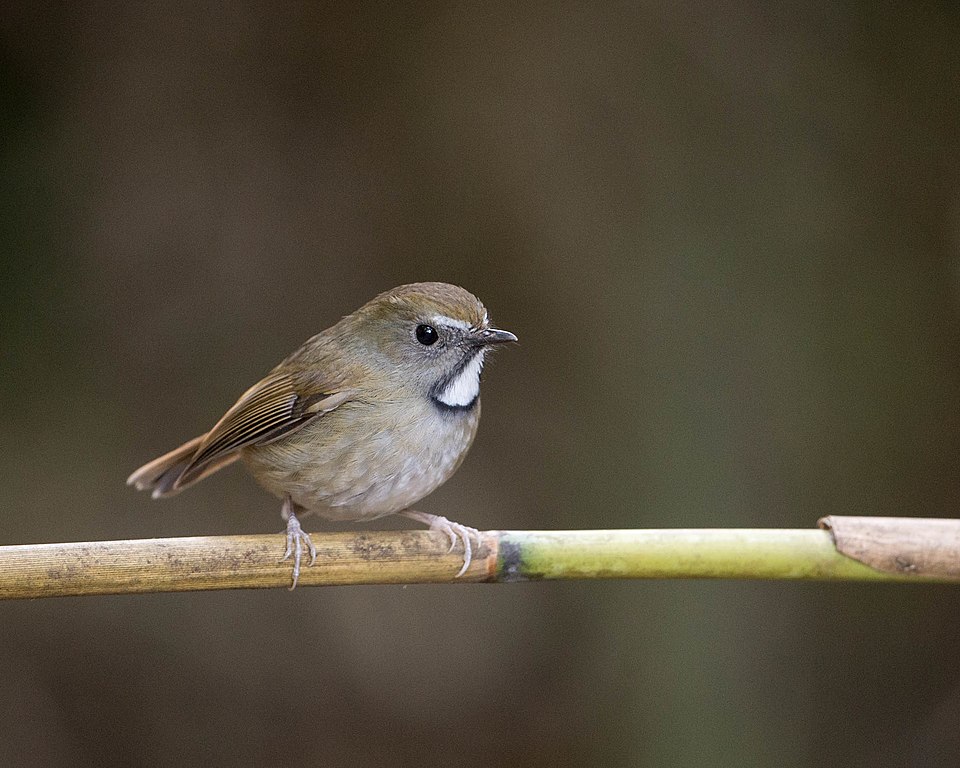
Meratus Blue Flycatcher
Cyornis kadayangensis
Order: Passeriformes / Family: Muscicapidae

Wikimedia Commons
About the Meratus Blue Flycatcher
The Meratus Blue Flycatcher (Cyornis kadayangensis) is a captivating songbird endemic to the Meratus Mountains in Indonesia. As a member of the Muscicapidae family, this bird exhibits a striking blue plumage that makes it a visual delight for birdwatchers and ornithologists alike. It plays a significant ecological role as both a predator of insects and a prey species for larger forest predators, contributing to the delicate balance of its forest ecosystem.
The Meratus Blue Flycatcher thrives in the dense, humid forests of the Meratus Mountains, where it is perfectly adapted to the understory environment. These forests, characterized by their high biodiversity, provide an ideal setting for the flycatcher’s hunting and nesting habits. This bird's presence is an indicator of a healthy forest ecosystem, as it depends on a robust population of insects and a well-preserved forest habitat.
Seasonally, the Meratus Blue Flycatcher may exhibit minor shifts in behavior, particularly during the breeding season. During this time, males become more vocal and territorial, using their songs to attract mates and ward off rivals. Outside the breeding season, these birds may be observed foraging in small mixed-species flocks, which enhances their feeding efficiency and offers protection from predators. The Meratus Blue Flycatcher's role in controlling insect populations cannot be overstated, as this helps maintain a balanced ecosystem in its native habitat.
The Meratus Blue Flycatcher belongs to the family Muscicapidae, within the order Passeriformes. These birds typically live average 5 years, with a maximum recorded of 8 years.
How to Identify a Meratus Blue Flycatcher
The adult Meratus Blue Flycatcher is easily identifiable by its vivid blue coloration, which covers most of its body except for the underparts, which are a lighter shade of blue or sometimes pale gray. The wings and tail often sport a darker blue hue, providing a striking contrast against the lighter body. Males and females are similar in appearance, although males may exhibit slightly more intense blue hues, particularly during the breeding season.
Juvenile Meratus Blue Flycatchers differ from adults, displaying a more subdued coloration with brownish tones replacing the vibrant blues. This cryptic plumage provides them with better camouflage from predators during their vulnerable young stages. As they mature, they gradually molt into the more vivid adult plumage.
In flight, the Meratus Blue Flycatcher exhibits a swift and agile silhouette, with a slightly rounded tail and pointed wings that allow for quick maneuverability through dense forest understory. When perching, they often adopt a slightly upright posture, alert and ready to dart after passing insects. Misidentification may occur with other blue flycatchers in the region, but the specific combination of habitat, vocalizations, and subtle differences in plumage helps distinguish Cyornis kadayangensis from its relatives.
Having trouble telling birds apart? Upload a photo to our bird identification tool for an instant species match.
Meratus Blue Flycatcher Habitat and Range
Preferred Habitat
The Meratus Blue Flycatcher is closely associated with the tropical and subtropical moist broadleaf forests of the Meratus Mountains in Indonesia. These forests, rich in biodiversity, provide the dense canopy and abundant insect life that the flycatcher requires. The bird primarily occupies the understory and mid-canopy levels, where it can find both food and nesting sites.
Typically found at elevations ranging from 500 to 1500 meters, the Meratus Blue Flycatcher shows a preference for areas with dense foliage and ample tree cover. Seasonal shifts in habitat use are minor, as these birds are non-migratory and maintain territories within their preferred forest environment year-round.
Urban and rural presence of the Meratus Blue Flycatcher is rare due to its specific habitat requirements, making it unlikely to be found in developed or heavily disturbed areas. Its reliance on intact forest ecosystems highlights the importance of conservation efforts in preserving these pristine environments.
Geographic Range
The Meratus Blue Flycatcher is endemic to the Meratus Mountains in South Kalimantan, Indonesia. Its range is confined to this specific mountain range, where it resides year-round in the dense forests. Unlike many other bird species, the Meratus Blue Flycatcher does not undertake long-distance migrations, instead maintaining a relatively stable presence in its localized habitat.
Population density hotspots are typically concentrated in areas with the most intact and biodiverse forest cover, as these provide the necessary resources for feeding and breeding. Within this limited range, the bird's distribution is patchy, depending on the availability of suitable habitat and the presence of a healthy insect population.
The absence of migratory behavior means that any shifts in distribution are likely linked to changes in habitat quality rather than seasonal movements. Efforts to map its precise range continue, but conservationists emphasize the importance of preserving its forest habitat to prevent further range restriction.
Want to know which birds visit your area? Browse our backyard birds by location guides for region-specific species lists.
What Does the Meratus Blue Flycatcher Eat?
The diet of the Meratus Blue Flycatcher primarily consists of insects, making it an important insectivore within its ecosystem. It preys on a variety of insects, including beetles, flies, and caterpillars, which it captures using a characteristic sallying technique. The bird perches quietly on a branch before darting out to snatch insects mid-air, showcasing impressive agility and precision.
Seasonal changes in diet are minimal, as the humid forest environment provides a consistent supply of insects throughout the year. However, during the breeding season, there may be a slight increase in the consumption of protein-rich prey to support reproductive activities.
In addition to its primary insect diet, the Meratus Blue Flycatcher may occasionally consume small amounts of fruit or seeds, especially when insect availability is low. Feeding typically occurs throughout the day, with peak activity in the early morning and late afternoon when insect activity is highest. This dietary flexibility aids the bird in maintaining its energy needs and supporting its reproductive efforts.
Meratus Blue Flycatcher Behavior and Social Structure
The Meratus Blue Flycatcher exhibits a variety of intriguing behaviors that are closely tied to its survival and reproductive success. As a primarily solitary bird, it establishes and maintains territories during the breeding season, with males becoming particularly vocal and aggressive toward intruders.
Courtship displays include elaborate singing and aerial acrobatics, where males attempt to impress potential mates with their prowess and vigor. Once a pair bond is formed, these birds become more secretive, focusing on nesting and rearing their young.
Outside the breeding season, the Meratus Blue Flycatcher may join mixed-species foraging flocks, a behavior that enhances feeding opportunities and provides protection from predators through increased vigilance. These flocks are typically composed of a variety of small insectivorous birds that share similar habitat preferences.
Daily activity patterns are influenced by the availability of prey, with peak foraging occurring during the cooler parts of the day. The bird's response to predators includes rapid flight into dense foliage and the use of alarm calls to alert nearby birds to danger.
Meratus Blue Flycatcher Nesting and Reproduction
The Meratus Blue Flycatcher constructs a cup-shaped nest using a variety of natural materials, including twigs, leaves, moss, and feathers. Nests are typically situated in the fork of a tree branch or within dense vegetation, providing both camouflage and protection from predators.
Preferred nesting sites are located within the understory or mid-canopy, where the surrounding foliage offers additional concealment. The typical clutch size ranges from two to four eggs, which are incubated by the female for approximately 14 days.
After hatching, both parents participate in feeding and caring for the young, ensuring a steady supply of food to support their rapid growth. Fledging occurs about 12 to 15 days after hatching, with the fledglings remaining dependent on their parents for a few more weeks as they learn essential survival skills.
The Meratus Blue Flycatcher typically raises one brood per year, although favorable conditions may occasionally allow for a second brood. This reproductive strategy ensures that the birds invest ample time and resources into the successful rearing of their offspring.
Meratus Blue Flycatcher Sounds and Vocalizations
The primary song of the Meratus Blue Flycatcher is a melodious series of clear, flute-like notes that rise and fall in pitch. These songs are often delivered from a prominent perch and serve to establish territory and attract mates during the breeding season.
In addition to its song, the Meratus Blue Flycatcher produces a variety of call notes, including sharp, short chips used for communication between mates or to signal alarm. Alarm calls are particularly important in alerting other birds to the presence of predators, prompting a communal response.
During the dawn chorus, the Meratus Blue Flycatcher contributes its song to the cacophony of forest sounds, a behavior that reinforces territorial boundaries and fosters mate bonding. The clarity and repetition of its song make it a recognizable component of the forest soundscape.
Interesting Facts About the Meratus Blue Flycatcher
- 1The Meratus Blue Flycatcher is one of the few bird species entirely restricted to the Meratus Mountains, highlighting its unique evolutionary path.
- 2This flycatcher is known for its precision in capturing insects mid-flight, a skill that requires excellent coordination and agility.
- 3The song of the Meratus Blue Flycatcher can be heard echoing through the forest from dawn until dusk, a testament to its vocal prowess.
- 4Despite its stunning blue coloration, the Meratus Blue Flycatcher is adept at hiding among the foliage, making it a challenge to spot.
- 5The Meratus Blue Flycatcher has adapted to a life in the understory, where it finds ample food and nesting opportunities amid dense vegetation.
- 6This species’ limited range makes it especially vulnerable to habitat changes, underscoring the importance of targeted conservation efforts.
- 7The Meratus Blue Flycatcher plays a vital role in controlling insect populations, contributing to the ecological balance of its forest home.
Meratus Blue Flycatcher Conservation Status
The Meratus Blue Flycatcher is currently classified as Near Threatened by the IUCN due to its limited range and the ongoing threats to its habitat. The primary threat to this species is habitat destruction, particularly from logging and agricultural expansion in the Meratus Mountains. Population trends indicate a decline in numbers, driven by habitat fragmentation and degradation. Conservation efforts focus on protecting and restoring forest habitats, with initiatives aimed at sustainable land-use practices and the establishment of protected areas. Historically, the Meratus Blue Flycatcher has maintained stable populations within its restricted range, but increased human activity poses a significant challenge to its future persistence. Ongoing research and monitoring are crucial to understanding population dynamics and implementing effective conservation measures.