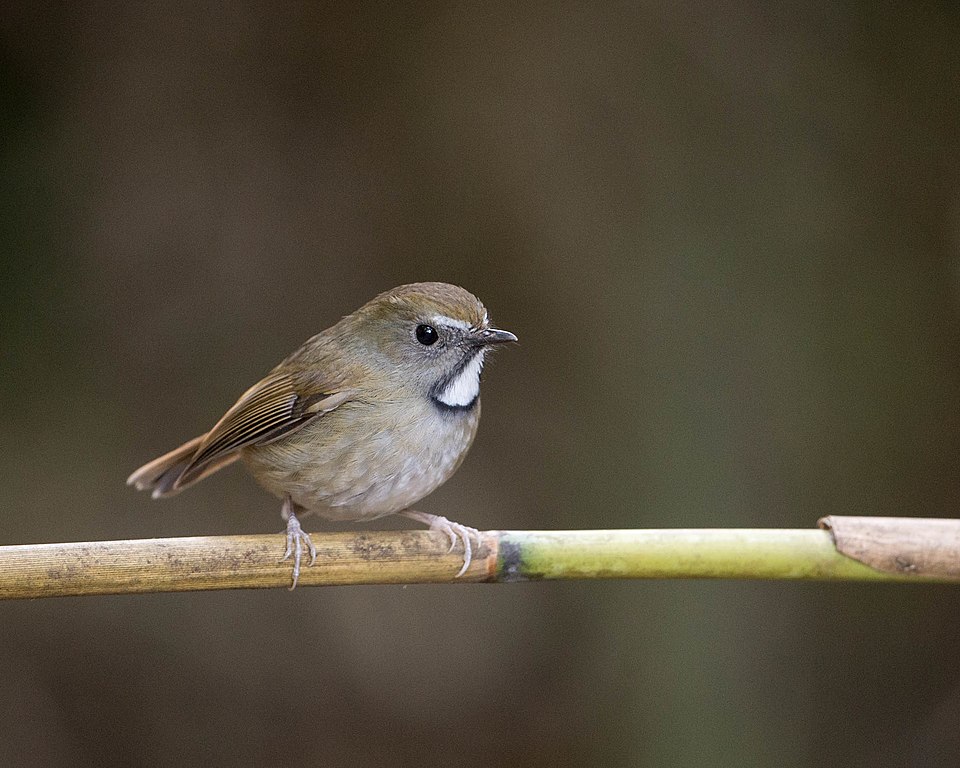
Miombo Rock-Thrush
Monticola angolensis
Order: Passeriformes / Family: Muscicapidae

Wikimedia Commons
About the Miombo Rock-Thrush
The Miombo Rock-Thrush (Monticola angolensis) is a striking bird found primarily in Africa's southern regions. Known for its vibrant plumage, the Miombo Rock-Thrush thrives in the miombo woodlands, from which it derives its common name. These woodlands, characterized by the dominance of Brachystegia species, stretch across countries such as Angola, Zambia, Zimbabwe, and parts of Tanzania. The bird plays a significant ecological role as both a predator and a seed disperser. It is observed frequently during its breeding season when it becomes more territorial and vocal.
This species occupies a niche in the ecosystem by controlling insect populations, thanks to its insectivorous diet. It forages on the ground and in lower shrub layers, where it captures various invertebrates. The Miombo Rock-Thrush also has a mutualistic relationship with certain tree species, aiding in seed dispersal through its diet.
The Miombo Rock-Thrush exhibits seasonal behavior tied closely to the rainy season, which influences food availability and nesting opportunities. During the wet months, generally from September to April, these birds become more active and begin breeding. Their presence is often more pronounced as they engage in vocal displays and defend their territory vigorously. As the dry season approaches, their activity diminishes, and they become less conspicuous in the dense woodlands.
The Miombo Rock-Thrush belongs to the family Muscicapidae, within the order Passeriformes. These birds typically live average 5-7 years with a max recorded of 10 years.
How to Identify a Miombo Rock-Thrush
The adult Miombo Rock-Thrush is notable for its contrasting coloration, with males displaying a striking blue-gray upper body and vivid orange underparts. Females, while similar in size, exhibit more muted tones, with grayer upper parts and pale orange below. Juveniles resemble females but are even duller, often with streaks or mottling that aid in camouflage.
In flight, the Miombo Rock-Thrush presents a distinctive silhouette with a medium-length tail and broad wings that facilitate agile movements through its woodland habitat. When perched, it maintains an upright posture, often on exposed branches or rocks, providing an excellent vantage point for foraging and territory monitoring.
Confusion may arise with the Swynnerton's Robin or similar thrush species, but the Miombo Rock-Thrush's distinctive orange belly and blue-gray back serve as key differentiators. Additionally, its vocalizations differ significantly from those of similar species, aiding in field identification even when visual confirmation is challenging.
Having trouble telling birds apart? Upload a photo to our bird identification tool for an instant species match.
Miombo Rock-Thrush Habitat and Range
Preferred Habitat
The Miombo Rock-Thrush inhabits open woodland areas, predominantly those dominated by miombo trees like Brachystegia. It prefers regions with a mix of open ground and scattered trees, often at elevations ranging from 800 to 2000 meters. These habitats provide ample foraging opportunities and nesting sites.
During the breeding season, the Miombo Rock-Thrush may migrate slightly within its range to areas with increased insect activity and suitable nesting sites. It adapts well to a variety of environments, though it is less frequently observed in densely urban areas, favoring rural and semi-rural landscapes instead.
The bird's presence in these habitats highlights the ecological importance of preserving miombo woodlands, which support a diverse array of flora and fauna. As human activities threaten these areas, the Miombo Rock-Thrush's habitat requirements serve as a reminder of the need for conservation efforts.
Geographic Range
The Miombo Rock-Thrush is predominantly found across the southern regions of Africa, particularly within the miombo woodland belt. It spans countries such as Angola, Zambia, Zimbabwe, Malawi, and parts of Tanzania. These regions offer the distinct woodland habitat that the species prefers.
During the breeding season, the Miombo Rock-Thrush may undertake local migrations within its range to optimize nesting conditions and food availability. However, it is largely a resident bird, with only minor altitudinal movements observed in some populations.
Population densities are highest in areas where miombo woodlands are intact and less disturbed by human activities. Conservation of these areas is crucial for maintaining the species' range and population stability. The Miombo Rock-Thrush's distribution aligns closely with the presence of its preferred habitat, highlighting the interdependence between the bird and its environment.
Want to know which birds visit your area? Browse our backyard birds by location guides for region-specific species lists.
What Does the Miombo Rock-Thrush Eat?
The Miombo Rock-Thrush primarily feeds on insects, which it actively hunts on the ground and in low vegetation. Its diet consists of beetles, ants, termites, and various other arthropods. During the wet season, when insect activity peaks, it supplements its diet with small fruits and seeds, playing a role in seed dispersal.
The bird employs a sit-and-wait foraging strategy, often perching quietly before swooping down to capture prey. Its keen eyesight allows it to spot movement from a distance, making it an efficient hunter. Prey size typically ranges from small to medium insects, reflecting the bird's adaptability in exploiting available food sources.
Feeding occurs throughout the day, with peak activity in the early morning and late afternoon when temperatures are cooler, and insect prey is most active. Seasonal shifts in dietary composition highlight the Miombo Rock-Thrush's adaptability to changing environmental conditions.
Miombo Rock-Thrush Behavior and Social Structure
The Miombo Rock-Thrush exhibits a predominantly solitary lifestyle, with pairs forming primarily during the breeding season. Territorial behavior becomes pronounced as males sing to establish and defend their territories from rivals. The bird's song, a series of melodious whistles and trills, serves as both a mating call and a warning to potential intruders.
Courtship displays include vocal duets and aerial chases, with the male often presenting food to the female as part of the bonding process. Despite their solitary nature, Miombo Rock-Thrushes may occasionally join mixed-species flocks, particularly outside the breeding season, to exploit food resources efficiently.
Predator avoidance strategies include relying on their cryptic coloration for camouflage and employing evasive flight patterns. The Miombo Rock-Thrush remains active throughout the day, with peak activity observed during the cooler morning and late afternoon hours. This daily rhythm aligns with the availability of prey and the bird's energetic needs.
Miombo Rock-Thrush Nesting and Reproduction
The Miombo Rock-Thrush constructs its nest in natural cavities, often in tree trunks or rock crevices. It uses materials such as grass, leaves, and twigs, lining the interior with softer materials like feathers or animal hair. This strategic choice of nesting site offers protection from predators and environmental elements.
A typical clutch consists of 2 to 4 eggs, with incubation lasting approximately 14 days. Both parents share incubation duties, though the female often assumes a more significant role. After hatching, the chicks remain in the nest for about 12 to 16 days before fledging.
Parental care continues post-fledging, with both parents involved in feeding and protecting the young. The Miombo Rock-Thrush generally raises one brood per year, although favorable conditions may occasionally allow for a second. The species' reproductive success is closely tied to the availability of food and suitable nesting sites.
Miombo Rock-Thrush Sounds and Vocalizations
The Miombo Rock-Thrush is renowned for its melodious song, a series of rich whistles interspersed with trills. This song plays a crucial role during the breeding season, serving to attract mates and delineate territory boundaries. The rhythmic pattern and clear notes set it apart from other birds in its habitat.
In addition to its primary song, the Miombo Rock-Thrush emits various call notes, including a sharp 'chik' sound used in communication between mates or as an alarm call when predators are near. These vocalizations are most prominent during dawn and dusk, contributing to the woodland soundscape.
Compared to more raucous species, the Miombo Rock-Thrush's vocalizations are harmonious and pleasant, making it a favorite among birdwatchers. Its ability to mimic certain environmental sounds adds an intriguing layer to its acoustic repertoire.
Interesting Facts About the Miombo Rock-Thrush
- 1The Miombo Rock-Thrush can have its song carry up to 500 meters in open woodland, an impressive range for territorial communication.
- 2Studies show that the Miombo Rock-Thrush prefers nesting in cavities that face east, potentially to protect against prevailing winds.
- 3The Miombo Rock-Thrush's diet includes over 30 species of insects, showcasing its adaptability and role in pest control.
- 4During the breeding season, the Miombo Rock-Thrush's territory can expand to over twice its non-breeding range.
- 5The vibrant plumage of the Miombo Rock-Thrush makes it a popular subject for wildlife photographers in southern Africa.
- 6Despite being a solitary bird, the Miombo Rock-Thrush may join mixed-species flocks to enhance foraging efficiency.
- 7Miombo Rock-Thrush populations can serve as indicators of woodland health, reflecting changes in habitat quality.
Miombo Rock-Thrush Conservation Status
Currently, the Miombo Rock-Thrush is classified as 'Least Concern' by the IUCN, indicating a stable population trend. However, habitat loss due to deforestation and agricultural expansion poses a significant threat to its long-term survival. Conservation efforts focus on preserving miombo woodlands, crucial for the bird's habitat. Population monitoring indicates stable numbers in well-protected areas, though declines have been noted in regions with intense land-use changes. Historical data shows that while the bird has maintained its range, local population fluctuations occur in response to environmental pressures. Conservation organizations advocate for sustainable land management practices to mitigate habitat loss. Education programs raise awareness about the ecological importance of miombo woodlands, aiming to foster community involvement in conservation efforts. Maintaining these habitats is vital for the Miombo Rock-Thrush and the broader ecosystem it supports.