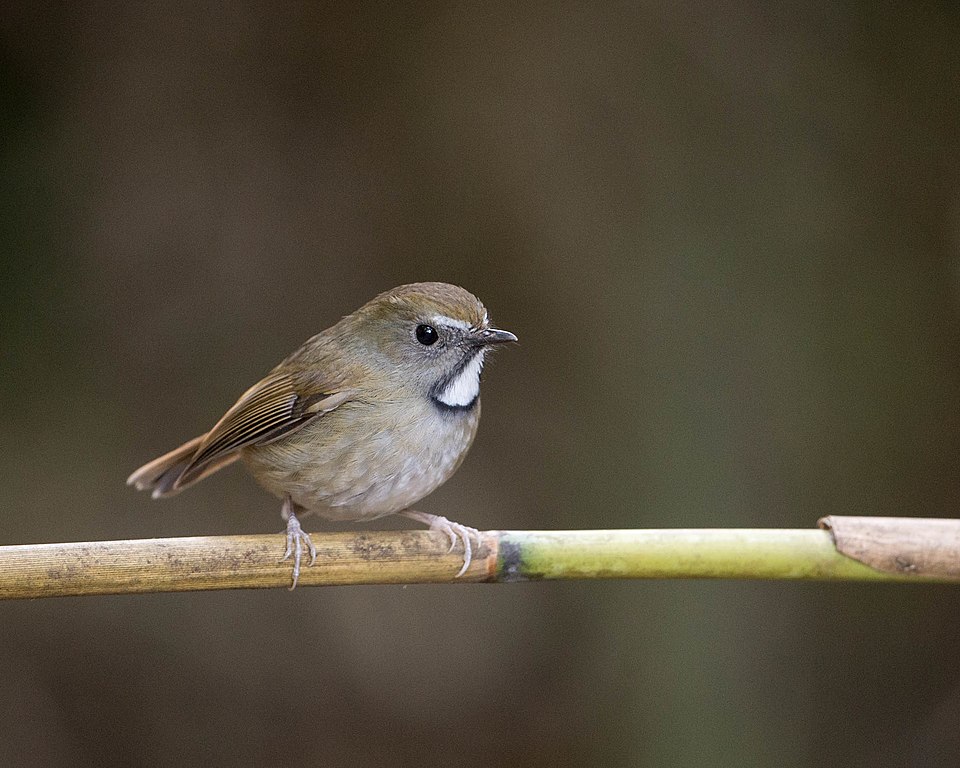
Cape Flycatcher
Muscicapa capensis
Order: Passeriformes / Family: Muscicapidae

Wikimedia Commons
About the Cape Flycatcher
The Cape Flycatcher, scientifically known as Muscicapa capensis, is a small passerine bird belonging to the Muscicapidae family. This bird is widely recognized for its presence across southern Africa, where it thrives in a variety of habitats, ranging from dense forests to open woodlands. Its adaptations allow it to occupy diverse ecological niches, playing a crucial role in insect population control within its range. The Cape Flycatcher primarily inhabits regions in South Africa, Zimbabwe, and Mozambique, and can also be found in parts of Namibia and Botswana. Its ability to adapt to different environments makes it a resilient species, often thriving in both rural and urban areas.
The ecological significance of the Cape Flycatcher is underscored by its diet, which consists mainly of insects and other arthropods. By preying on these creatures, the bird helps maintain a balance in the ecosystem, preventing overpopulation of insect species that could otherwise damage vegetation. During the breeding season, which peaks in the southern hemisphere's spring and early summer, the Cape Flycatcher becomes particularly active in its pursuit of food, ensuring ample nourishment for its young.
Seasonally, the Cape Flycatcher exhibits subtle changes in behavior and habitat preference. While it remains a resident bird in many areas, local movements may occur as individuals seek out optimal feeding grounds or new territories. During the cooler months, the bird may wander to lower elevations or areas with more abundant food resources, reflecting its flexible approach to survival in varying conditions. This adaptability is a testament to the species' evolutionary success, allowing it to persist in areas affected by human development and climate change.
The Cape Flycatcher belongs to the family Muscicapidae, within the order Passeriformes. These birds typically live average lifespan is around 5 years, with a maximum recorded of 7 years..
How to Identify a Cape Flycatcher
The adult Cape Flycatcher presents a predominantly brown plumage with subtle variations that aid in its identification. Its upperparts are a warm, earthy brown, while the underparts exhibit a lighter, buffy hue. The bird's wings and tail are slightly darker, providing contrast and enhancing its visibility against the vegetation. A key identifying feature is the faint eye-ring, which gives the bird a gentle, inquisitive expression. In contrast, juvenile Cape Flycatchers bear a speckled appearance, with mottled spots on their chest and back, a trait that gradually fades as they mature.
Both male and female Cape Flycatchers share similar plumage, making sex differentiation in the field challenging without behavioral observation. However, during the breeding season, subtle differences in behavior may become apparent, as males often engage in more conspicuous displays and vocalizations to attract mates and defend their territories.
The Cape Flycatcher's flight silhouette is characterized by its agile, darting movements, typical of flycatchers as they pursue insects mid-air. When perched, the bird assumes an upright posture, often flicking its tail in a rhythmic pattern. This behavior, coupled with its muted coloration, allows it to blend seamlessly into its surroundings, avoiding detection by predators and observers alike.
Having trouble telling birds apart? Upload a photo to our bird identification tool for an instant species match.
Cape Flycatcher Habitat and Range
Preferred Habitat
The Cape Flycatcher occupies a range of habitats, from dense forests to open woodlands. It is commonly found in riverine forests, where tall trees provide both shelter and an abundance of insect prey. The bird also thrives in montane forests at elevations up to 2000 meters, where cooler temperatures and diverse flora offer ideal nesting sites. During the breeding season, it is often seen in areas with plenty of undergrowth, which provides cover for nests and fledglings.
In urban environments, the Cape Flycatcher has shown remarkable adaptability, sometimes nesting in gardens and parks where suitable trees and shrubs are available. Seasonal habitat shifts may occur as the bird seeks out areas with higher insect activity, often moving to lower elevations or wetter areas during the dry season to capitalize on more abundant food sources.
Despite its adaptability, the Cape Flycatcher is not typically found in arid or desert regions, as these environments lack the dense vegetation and insect diversity required for its survival. Instead, it remains closely tied to regions where trees and shrubs can support its ecological needs.
Geographic Range
The Cape Flycatcher's range is primarily centered in southern Africa, where it is a common resident throughout much of South Africa, Zimbabwe, and Mozambique. It also occurs in Namibia and Botswana, though its presence in these areas can be more localized. Unlike many migratory species, the Cape Flycatcher does not undertake long-distance migrations, instead exhibiting local movements within its range to optimize food availability and breeding conditions.
During the breeding season, population densities may increase in areas with optimal habitat conditions, such as riverine forests and montane regions. These areas provide the necessary resources for successful reproduction, including suitable nesting sites and ample food supply.
While generally considered a resident bird, the Cape Flycatcher's flexibility allows it to adjust its range slightly in response to environmental changes, such as drought or habitat alteration. This resilience has contributed to its status as a widespread and stable species across its range, with no significant declines reported in recent years.
Want to know which birds visit your area? Browse our backyard birds by location guides for region-specific species lists.
What Does the Cape Flycatcher Eat?
The Cape Flycatcher's diet is primarily insectivorous, consisting largely of flying insects such as flies, beetles, and moths. This diet is complemented by the occasional consumption of spiders and other small arthropods. The bird employs a sit-and-wait foraging strategy, perching quietly before darting out to capture prey mid-flight. This method, known as hawking, is efficient and minimizes energy expenditure.
Seasonal changes can influence the Cape Flycatcher's diet, as the availability of different insect species fluctuates throughout the year. During the breeding season, the bird's foraging activity intensifies to meet the increased nutritional demands of raising chicks. As insects become more plentiful in the warmer months, the Cape Flycatcher can often be seen actively hunting during the early morning and late afternoon, when prey is most abundant.
While primarily insectivorous, the Cape Flycatcher may occasionally consume small fruits or seeds, particularly during periods when insect prey is scarce. This dietary flexibility helps the bird survive in varying environmental conditions, contributing to its overall success as a species.
Cape Flycatcher Behavior and Social Structure
The Cape Flycatcher exhibits a solitary or loosely paired social structure, coming together primarily during the breeding season. Territorial behavior is pronounced, with males defending their chosen areas through vocalizations and displays. These territories are crucial for attracting mates and ensuring a sufficient food supply for their offspring.
Courtship displays involve a series of aerial maneuvers and vocalizations, designed to showcase the male's fitness and ability to provide. Once paired, the bond between mates remains strong throughout the breeding season, with both partners sharing responsibilities in nesting and chick-rearing.
Flocking behavior is uncommon outside the breeding season, although small groups may form in areas with abundant food resources. In response to predators, the Cape Flycatcher relies on its cryptic plumage and evasive flight patterns to avoid detection. Alarm calls may also be used to alert nearby conspecifics of potential threats.
Daily activity patterns are largely diurnal, with peak activity periods occurring in the early morning and late afternoon. During these times, the Cape Flycatcher is most active in foraging and territory defense, while midday is often spent in shaded areas, conserving energy during the hottest part of the day.
Cape Flycatcher Nesting and Reproduction
The Cape Flycatcher constructs an open cup-shaped nest, typically placed in the fork of a tree or shrub. The nest is crafted from fine plant materials such as grasses and leaves, bound together with spider silk to create a sturdy yet flexible structure. The interior is often lined with softer materials like feathers or animal hair to provide insulation and comfort for the eggs and chicks.
Preferred nesting sites are located in areas with dense vegetation, offering protection from predators and environmental elements. Clutch size generally ranges from two to four eggs, with eggs exhibiting a pale color that may include subtle speckling.
The incubation period lasts approximately 12 to 14 days, during which the female predominantly undertakes the responsibility of keeping the eggs warm, while the male contributes by providing food. Once hatched, the chicks remain in the nest for another 14 to 16 days, cared for by both parents who diligently feed and guard them. The number of broods per year can vary, although typically one to two successful broods are raised each season, depending on environmental conditions and food availability.
Cape Flycatcher Sounds and Vocalizations
The Cape Flycatcher's song is a soft, melodious series of notes, often described as a gentle warbling or trilling. It is delivered with a rhythmic cadence, typically during the early morning hours when the bird is most vocal. These songs serve multiple purposes, including territory establishment and mate attraction.
Call notes are sharper and more abrupt, used in communication between mates or to signal alarm. When disturbed or threatened, the Cape Flycatcher emits a distinctive churring sound, which can alert nearby individuals to potential danger.
The bird participates in the dawn chorus, adding its subtle voice to the collective soundscape of its habitat. This vocal activity is most pronounced during the breeding season, when the need to assert territory and attract mates is at its peak. The Cape Flycatcher's vocalizations, though not as loud or varied as some other songbirds, are characteristic and easily recognizable to those familiar with its repertoire.
Interesting Facts About the Cape Flycatcher
- 1The Cape Flycatcher can consume up to 1000 insects in a single day, showcasing its role in controlling insect populations.
- 2Despite its small size, the Cape Flycatcher can cover territories of up to 10 hectares during the breeding season.
- 3Cape Flycatchers have been observed using spider silk as a binding agent for their nests, demonstrating their resourcefulness.
- 4The species is known for its significant contribution to pest control in agricultural areas, providing natural mitigation against crop damage.
- 5Cape Flycatchers are known to live for up to 7 years in the wild, a notable lifespan for a bird of its size.
- 6Their adaptability allows them to thrive in urban environments, where they often nest in gardens and parks.
- 7The Cape Flycatcher's subtle plumage provides excellent camouflage against predators, aiding in its survival.
Cape Flycatcher Conservation Status
The Cape Flycatcher is currently listed as a species of Least Concern by the IUCN, reflecting its stable population trend and widespread distribution. Though it faces localized threats from habitat destruction and human encroachment, these challenges have not significantly impacted its overall numbers. Conservation efforts primarily focus on habitat preservation, ensuring that the diverse environments the Cape Flycatcher inhabits remain viable. Initiatives aimed at maintaining forest and woodland areas, as well as promoting sustainable land use practices, benefit this species by safeguarding the natural resources it relies on. Historically, the Cape Flycatcher has maintained a stable population, with no significant fluctuations in numbers reported over the past decades. By continuing to monitor its status and protecting its habitats, conservationists aim to ensure the long-term survival of this adaptable and ecologically important bird.