
Muscicapa cucullata
Muscicapa cucullata
Order: Passeriformes / Family: Muscicapidae
About the Muscicapa cucullata
The Muscicapa cucullata, commonly known as the hooded flycatcher, is a captivating species within the family Muscicapidae. This small, agile bird is renowned for its distinct black hood, which sharply contrasts against its white underparts and grayish-brown wings and back. The hooded flycatcher plays a significant role in the ecosystems it inhabits, primarily by controlling insect populations, thus contributing to the ecological balance. Its presence is particularly noted in the dense woodlands and forested areas of sub-Saharan Africa, where it thrives in varied environments ranging from lowland forests to montane regions. This bird is a testament to the diversity of avian life in the African continent, often seen flitting amongst the trees in pursuit of its insect prey. During the breeding season, which coincides with the rainy months, the Muscicapa cucullata becomes especially vocal and active. Its calls resonate through the forest canopy, marking its territory and attracting mates. This period is also crucial for the propagation of its species, as the availability of insects is at its peak, providing ample food for the growing chicks. The hooded flycatcher's ecological role extends beyond mere insect control. By feeding on various insect species, it indirectly supports plant pollination and seed dispersal. Insects that might otherwise harm vegetation are kept in check, allowing flora to thrive. Moreover, the presence of the hooded flycatcher serves as an indicator of ecosystem health, as it tends to inhabit regions with lush, undisturbed vegetation. In terms of its geographical distribution, the hooded flycatcher is primarily found in the tropical and subtropical forests of Africa. Countries such as Kenya, Tanzania, Uganda, and the Democratic Republic of Congo boast significant populations of this bird. Its adaptability to different altitudes, from sea level to mountainous regions, makes it a versatile and resilient species. The Muscicapa cucullata's ability to thrive in various habitats underscores its importance as a member of its ecosystem, contributing to both biodiversity and ecological stability.
The Muscicapa cucullata belongs to the family Muscicapidae, within the order Passeriformes. These birds typically live average 5-7 years, with a maximum recorded of 9 years..
How to Identify a Muscicapa cucullata
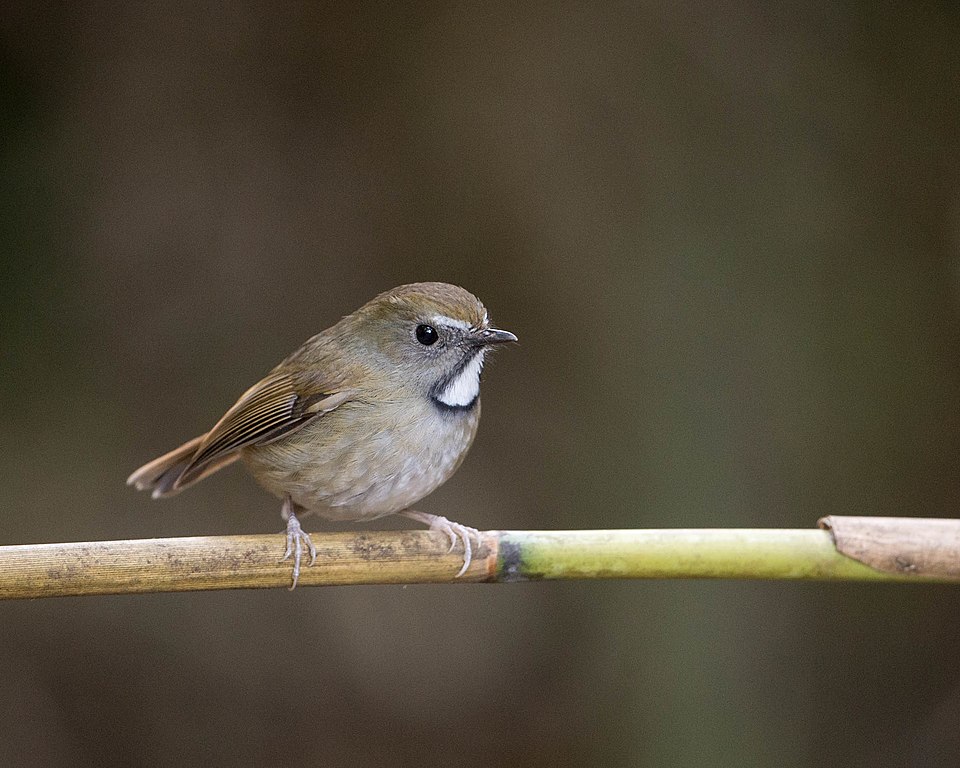
Identifying the hooded flycatcher involves observing several key characteristics. Adults exhibit a striking black hood that covers the head and throat, a feature that gives the bird its common name. This hood contrasts vividly with the bird's white underparts, making it easily recognizable in the field. The upperparts, including the back and wings, are a muted grayish-brown, providing a subtle backdrop to the more prominent hood. Juvenile hooded flycatchers, by comparison, may lack the full intensity of the adult's black hood. Their plumage can appear more mottled, with less distinct contrast between the head and body. Despite this, the overall pattern remains consistent, helping to distinguish them from other species. There are minor differences between males and females, with males typically sporting a slightly darker and more defined hood. This dimorphism, while not pronounced, can assist in gender identification during the breeding season when pairs are more readily observed. In flight, the hooded flycatcher presents a compact silhouette, characterized by its swift, darting movements as it chases down insects. When perched, it often adopts an upright posture, scanning its surroundings with alert, bright eyes. Its behavior can occasionally lead to confusion with other small flycatchers, but the distinctive hood and contrasting plumage usually dispel any doubts.
Having trouble telling birds apart? Upload a photo to our bird identification tool for an instant species match.
Muscicapa cucullata Habitat and Range
Preferred Habitat
The hooded flycatcher inhabits a diverse range of forested environments, primarily within sub-Saharan Africa. Its preferred habitats include dense woodlands, tropical rainforests, and even montane forests at elevations up to 2,500 meters. These areas provide the necessary cover and abundance of insects that the bird requires. In some regions, the hooded flycatcher may also be found in secondary growth forests and forest edges, showcasing its adaptability to slightly altered environments. However, it tends to avoid heavily urbanized areas, preferring the tranquility and resources of more natural settings. Seasonal shifts in habitat use are minimal for the hooded flycatcher, as it generally remains within forested areas year-round. Nonetheless, during the breeding season, it may seek out denser foliage to provide additional cover and protection for its nest. While not typically found in urban settings, the bird may occasionally venture into rural gardens and parks where sufficient tree cover exists.
Geographic Range
The Muscicapa cucullata is widespread across sub-Saharan Africa, with a distribution that encompasses a variety of ecological zones. Its breeding range includes countries such as Nigeria, Cameroon, and the Central African Republic, extending eastward to Kenya and Tanzania. Populations in these areas are generally stable, benefiting from large expanses of suitable forest habitat. During the non-breeding season, the hooded flycatcher does not undertake significant migrations, often remaining in its established territories. However, some slight altitudinal movements may occur, with individuals descending to lower elevations in response to seasonal climate changes. The bird's presence is notably concentrated in regions with rich forest cover, such as the Congo Basin, where it can be more abundantly observed. While not considered migratory in the traditional sense, its range does extend into parts of southern Africa, including Zambia and Malawi, where it is a common sight in suitable habitats. Overall, the hooded flycatcher's range is characterized by a preference for wooded and forested environments, although it can exhibit some adaptability to varying altitudes and forest types.
Want to know which birds visit your area? Browse our backyard birds by location guides for region-specific species lists.
What Does the Muscicapa cucullata Eat?
The hooded flycatcher's diet primarily consists of insects, which it skillfully captures through aerial sallies. This insectivorous diet includes a wide range of prey, such as flies, beetles, moths, and caterpillars. Its foraging technique is agile and precise, involving short flights from a perch to snatch insects mid-air or from foliage. During the breeding season, the bird's diet becomes even more insect-rich to meet the demands of feeding growing chicks. This period coincides with an abundance of insect life, allowing the hooded flycatcher to exploit this food source fully. Outside of the breeding season, the flycatcher maintains its insectivorous habits, although it may occasionally supplement its diet with small berries or seeds when insects are scarce. This dietary flexibility enables the bird to sustain itself across different seasons and varying environmental conditions. The hooded flycatcher's feeding schedule aligns with peak insect activity, often foraging actively during early morning and late afternoon. This pattern ensures maximum prey availability and energy efficiency, supporting its active lifestyle.
Muscicapa cucullata Behavior and Social Structure
The hooded flycatcher exhibits a range of behaviors that reflect its adaptability and ecological niche. It is generally solitary or found in pairs, particularly during the breeding season when territorial behavior becomes more pronounced. Males often engage in vocal displays to establish and defend their territory, using a series of sharp, melodic calls to ward off rivals and attract mates. Courtship involves a combination of vocalizations and displays, with males showcasing their distinctive plumage and agility through flight maneuvers. Once paired, the hooded flycatcher remains monogamous for the duration of the breeding season. Outside of the breeding period, it may join mixed-species foraging flocks, benefiting from the collective vigilance and diversity of hunting techniques. This social behavior enhances its foraging success and predator detection, as the bird remains wary of natural threats such as birds of prey and snakes. In response to predators, the hooded flycatcher relies on its agility and the cover provided by dense foliage to evade capture. Its daily activity patterns are diurnal, with peaks in activity during cooler parts of the day. The bird's territorial and social behaviors are crucial for its survival and reproductive success, influencing its interactions with other species and its environment.
Muscicapa cucullata Nesting and Reproduction
The nesting habits of the hooded flycatcher are closely tied to its forested habitats. Nests are typically constructed in the fork of a tree branch, often at a height of 2 to 10 meters above the ground, providing safety from ground predators. The nest itself is a delicate cup made from an assortment of natural materials, including grass, leaves, and spider webs, which serve to bind the structure together. Clutch sizes generally range from two to four eggs, with incubation lasting approximately two weeks. During this period, both parents partake in incubating the eggs, although the female often assumes a more significant role. Once hatched, the chicks remain in the nest for another two weeks, during which they are fed a steady diet of insects by both parents. The fledging process is a critical time for the young, as they develop the skills necessary for independence. Parental care extends beyond fledging, with adults continuing to feed and protect the juveniles until they are fully capable of fending for themselves. The hooded flycatcher typically raises one to two broods per year, depending on environmental conditions and food availability.
Muscicapa cucullata Sounds and Vocalizations
The hooded flycatcher's vocalizations are a distinctive element of its presence in the forest. Its primary song is a series of clear, melodious notes that rise and fall in pitch, resembling a gentle whistle. This song serves both to establish territory and attract a mate, particularly during the breeding season. Call notes are sharp and can be described as a quick 'chip' or 'tsip', often used in communication between pairs or as an alarm signal. In the presence of predators or perceived threats, the hooded flycatcher emits a series of rapid, repetitive calls, alerting nearby birds to the danger. During the dawn chorus, the bird contributes its voice to the symphony of forest sounds, its clear notes cutting through the morning air. These vocalizations are essential for its social interactions and survival, serving as tools for communication and territorial defense.
Interesting Facts About the Muscicapa cucullata
- 1The hooded flycatcher is known to use spider silk as a binding material in its nest, which offers both strength and flexibility.
- 2Despite its small size, the hooded flycatcher can consume an impressive number of insects daily, helping control pest populations.
- 3The black hood of the hooded flycatcher is thought to play a role in mate selection, with brighter hoods potentially indicating healthier individuals.
- 4This bird is often observed in mixed-species flocks, benefiting from the cooperative foraging strategies of different species.
- 5The hooded flycatcher's song can be heard over a considerable distance, making it an important tool for territory establishment.
- 6During the breeding season, the hooded flycatcher may become more aggressive, actively defending its territory from intruders.
- 7The species exhibits a remarkable ability to adapt to different forest types, from lowland rainforests to high-altitude montane woods.
Muscicapa cucullata Conservation Status
The hooded flycatcher currently holds a status of Least Concern on the IUCN Red List, with populations considered stable across much of its range. However, ongoing threats such as habitat destruction and deforestation pose significant risks to its long-term survival. In regions where logging and agricultural expansion reduce forest cover, the availability of suitable habitats diminishes, potentially leading to population declines. Conservation efforts focus on preserving and restoring forest habitats, with initiatives aimed at sustainable forestry and habitat management. Historical population changes have shown resilience due to the bird's adaptability, but continued vigilance is necessary to prevent future declines. By maintaining healthy forest ecosystems, conservationists aim to ensure the hooded flycatcher's continued presence in its native environments.
Other Muscicapidae Species


Birds Similar to the Muscicapa cucullata
These species are often confused with the Muscicapa cucullata due to similar appearance or overlapping range.