
Spotted Flycatcher
Muscicapa guttula
Order: Passeriformes / Family: Muscicapidae

Wikimedia Commons
About the Spotted Flycatcher
The Spotted Flycatcher (Muscicapa guttula) is a small, unobtrusive bird that belongs to the family Muscicapidae. This species is widely recognized for its subtle beauty and its significant role in controlling insect populations. The Spotted Flycatcher inhabits a range of environments across Europe and Asia, demonstrating a preference for open wooded areas, gardens, and parklands. During the breeding season, which stretches from late spring to early summer, these birds can be found in deciduous and mixed forests where they can easily perch on exposed branches to survey their surroundings for insects. The Spotted Flycatcher plays a crucial ecological role as a predator of insects, thus contributing to pest control in its habitats. This dietary preference of consuming flying insects such as flies, beetles, and moths aids in maintaining a balanced ecosystem. In terms of seasonal behavior, the Spotted Flycatcher is a long-distance migrant. It breeds across Europe and parts of western Asia, then migrates to sub-Saharan Africa for the winter months. This migration is a remarkable journey that spans thousands of kilometers, showcasing the bird's adaptability and resilience. The Spotted Flycatcher's presence is significant not only for its ecological contributions but also for its cultural and scientific importance. Birdwatchers and naturalists have long admired this species for its understated elegance and its role as an indicator of environmental health. Its decline in certain areas has prompted increased research and conservation efforts, underscoring its value as a subject of study in understanding the impacts of habitat loss and climate change.
The Spotted Flycatcher belongs to the family Muscicapidae, within the order Passeriformes. These birds typically live average 3-4 years with a max recorded of 6 years..
How to Identify a Spotted Flycatcher
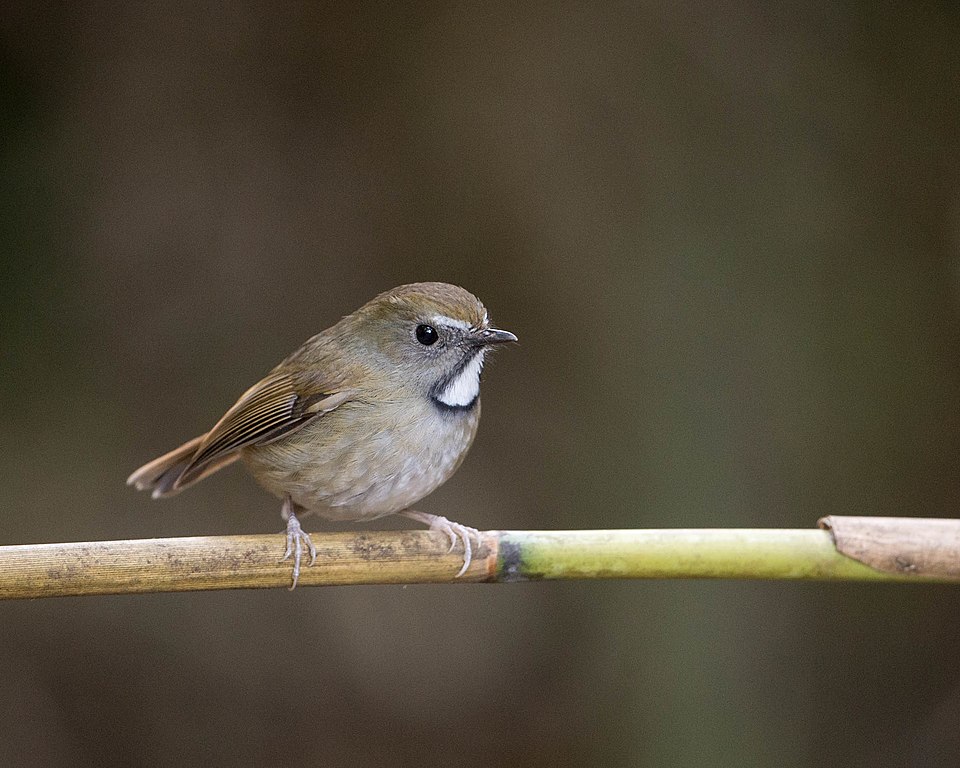
The Spotted Flycatcher is a small songbird, typically measuring about 14-15 cm in length and weighing between 14-20 grams. Adult plumage is characterized by its streaked brownish-gray upperparts and pale underparts, with distinctive fine streaks on the crown and breast. These streaks give the bird its 'spotted' appearance. The juvenile Spotted Flycatchers have a more pronounced streaked appearance with buff edges on their feathers, which they lose as they mature. There is little difference between males and females, making sex identification challenging without behavioral observation. In flight, the Spotted Flycatcher exhibits an agile and direct flight pattern, often returning to the same perch after catching prey mid-air. Its perching posture is upright and alert, frequently found on exposed branches or wires. This species can sometimes be confused with the European Pied Flycatcher due to similar habitats and behaviors. However, the Spotted Flycatcher's lack of contrasting black and white plumage helps distinguish it from the Pied Flycatcher.
Having trouble telling birds apart? Upload a photo to our bird identification tool for an instant species match.
Spotted Flycatcher Habitat and Range
Preferred Habitat
The Spotted Flycatcher prefers open woodland habitats, including deciduous and mixed forests. In Europe, it is commonly found in parklands, gardens, and orchards where mature trees provide ideal perching spots for hunting insects. This species inhabits regions from sea level up to elevations of about 1,500 meters. During the breeding season, it occupies rural and suburban areas with ample tree cover. Urban presence is less common but can occur in areas with significant green space and low human disturbance. Seasonal habitat shifts accompany its migratory patterns, with wintering grounds in sub-Saharan Africa, often in savannas or open woodlands.
Geographic Range
The Spotted Flycatcher breeds across much of Europe, extending into parts of western and central Asia, including countries like the United Kingdom, France, Germany, and Russia. Its breeding range stretches from the Atlantic coast to the Ural Mountains. During migration, the species follows a southwest-northeast trajectory, traversing the Mediterranean region before reaching its wintering grounds in sub-Saharan Africa. Here, it spreads across countries such as Nigeria, Cameroon, and Kenya. Population densities are typically higher in regions with abundant insect prey and suitable nesting sites.
Want to know which birds visit your area? Browse our backyard birds by location guides for region-specific species lists.
What Does the Spotted Flycatcher Eat?
Primarily insectivorous, the Spotted Flycatcher feeds on a variety of flying insects, including flies, beetles, and moths. Its diet shifts seasonally based on prey availability, with an increased intake of spiders and small caterpillars during the breeding season to meet the heightened nutritional demands. The bird employs a sit-and-wait foraging technique, characterized by short, swift sallies from a perch to catch prey in mid-air. Typically, the Spotted Flycatcher hunts during daylight hours, with peak feeding activity occurring in the early morning and late afternoon when insect activity is high.
Spotted Flycatcher Behavior and Social Structure
The Spotted Flycatcher exhibits a solitary or loosely territorial social structure during the breeding season. Males establish territories and engage in simple courtship displays, which include song and aerial pursuits to attract females. Once paired, both mates contribute to nesting activities. Outside the breeding season, the Spotted Flycatcher becomes more social, often observed in small groups during migration. This species displays a calm and unobtrusive demeanor, frequently perching motionless before launching into agile flight to capture insects. When faced with predators, it relies on camouflage and rapid flight to escape threats. Daily activity patterns involve periods of active foraging interspersed with rest in shaded perches.
Spotted Flycatcher Nesting and Reproduction
Spotted Flycatchers build cup-shaped nests using grass, moss, and lined with softer materials like feathers. Nests are typically located in sheltered spots such as the forks of tree branches or ledges of buildings. Clutch size ranges from 3 to 5 eggs, with an incubation period of about 12-14 days. Both parents participate in incubation and subsequent feeding of the chicks. Fledging occurs approximately 14-16 days after hatching. The species typically raises one or two broods per year, depending on environmental conditions and food availability.
Spotted Flycatcher Sounds and Vocalizations
The Spotted Flycatcher's primary song consists of a series of soft, high-pitched notes often described as a gentle 'tseep-tseep.' These vocalizations are most prominent during the breeding season when males sing to defend territories and attract mates. The call notes are subtle and include a thin 'tsip' or 'see.' Alarm calls are sharper and more insistent, serving to alert other birds to potential threats. During the dawn chorus, the Spotted Flycatcher's song blends into the background, often overshadowed by louder species.
Interesting Facts About the Spotted Flycatcher
- 1The Spotted Flycatcher is capable of catching insects mid-flight with remarkable precision, showcasing its aerial acrobatics.
- 2Despite being a small bird, the Spotted Flycatcher undertakes an extensive migration of over 4,000 kilometers from Europe to Africa.
- 3During breeding, Spotted Flycatchers often reuse nests from previous years, adding new materials to refurbish them.
- 4Spotted Flycatchers are known to have a lifespan of up to 5 years, although many face challenges such as predation and habitat loss.
- 5Their inconspicuous plumage serves as an effective camouflage when perched among branches, helping them avoid detection by predators.
Spotted Flycatcher Conservation Status
Currently listed as 'Least Concern' by the IUCN, the Spotted Flycatcher's population trend shows a decline in parts of its range, primarily due to habitat loss, pesticide use, and climate change. Conservation efforts focus on habitat preservation and restoration, particularly in breeding areas. Historical population changes highlight significant declines in the latter half of the 20th century, prompting increased monitoring and research to better understand and mitigate these challenges.
Other Muscicapidae Species


Birds Similar to the Spotted Flycatcher
These species are often confused with the Spotted Flycatcher due to similar appearance or overlapping range.

