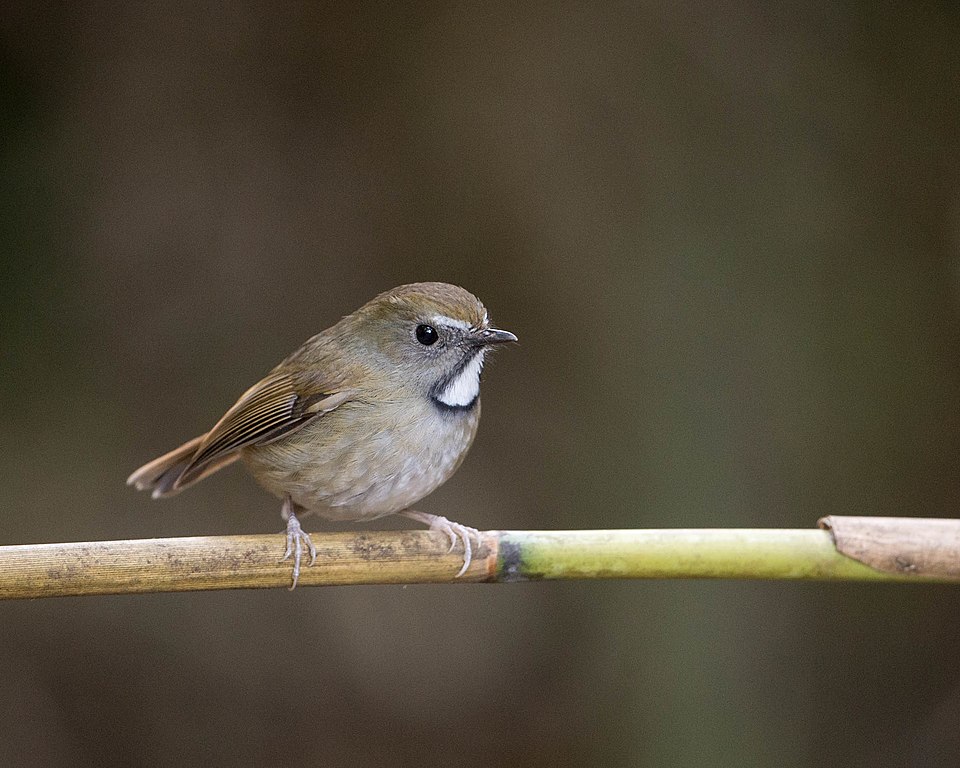
Dusky Flycatcher
Muscicapa melanopsis
Order: Passeriformes / Family: Muscicapidae

Wikimedia Commons
About the Dusky Flycatcher
The Dusky Flycatcher, scientifically known as Muscicapa melanopsis, is a small passerine bird belonging to the family Muscicapidae. It thrives in a variety of habitats, primarily favoring temperate forests and wooded areas. This bird is easily overlooked due to its subdued coloration, but its ecological significance cannot be overstated. The Dusky Flycatcher plays a critical role in controlling insect populations, acting as a natural pest regulator. Its presence is especially pronounced in the North American regions, where it contributes to the biodiversity and balance of ecosystems.
Significant populations of the Dusky Flycatcher are found in the western parts of North America, primarily from British Columbia through California and into the Rocky Mountains. During the breeding season, these birds prefer montane and subalpine forests, often near streams or clearings that provide ample food supply. The Dusky Flycatcher's adaptability allows it to occupy elevations ranging from 1,200 to 3,600 meters, enabling it to exploit diverse ecological niches.
Seasonally, the Dusky Flycatcher exhibits typical migratory behavior. In the autumn, it undertakes a journey to the southwestern United States and Mexico, where it spends the winter months in warmer climates. During this period, it often frequents scrublands and open woodlands, adapting to the changing availability of food resources. Its migration is largely a solitary affair, though it may occasionally join mixed-species flocks, capitalizing on the safety and foraging efficiency they provide.
Beyond its ecological role, the Dusky Flycatcher serves as an indicator species for habitat health. Its presence and population trends can reflect changes in environmental conditions, making it a valuable subject for conservation studies. Understanding the Dusky Flycatcher's habits and distribution offers insights into broader ecological processes and helps guide efforts to preserve critical habitats in the face of climate change and human encroachment.
The Dusky Flycatcher belongs to the family Muscicapidae, within the order Passeriformes. These birds typically live around 5 years on average, with the possibility of reaching up to 7 years..
How to Identify a Dusky Flycatcher
The Dusky Flycatcher is a small bird, measuring around 13 to 15 cm in length, with a wingspan of approximately 22 to 24 cm. Its plumage is unassuming, primarily grayish-brown above with a paler underbelly, often exhibiting a subtle olive tint. A distinctive feature is its relatively unmarked face, accentuated by a faint eyering, which helps distinguish it from similar species.
Adults of both sexes look much alike, though females may appear slightly duller. Juveniles resemble adults but have more pronounced buffy wing bars and edges on their feathers, providing a useful clue for age determination. In terms of confusion with similar species, the Dusky Flycatcher is often mistaken for the Hammond's Flycatcher and the Gray Flycatcher. However, subtle differences in primary projection length, call notes, and foraging behavior can aid in proper identification.
When observed in flight, the Dusky Flycatcher displays a characteristic low, direct flight pattern, often dipping and darting as it pursues insects. Its perching posture is upright, typically on a low branch or shrub, from where it launches short sallies to catch flying insects. The bird's unobtrusive coloration and behavior require careful observation to be confidently identified, especially in dense foliage.
Having trouble telling birds apart? Upload a photo to our bird identification tool for an instant species match.
Dusky Flycatcher Habitat and Range
Preferred Habitat
The Dusky Flycatcher inhabits a range of forested environments, showing a preference for open woodlands and montane forests. It thrives in areas with a dense canopy interspersed with clearings and riparian zones. Classic habitats include pinyon-juniper woodlands, mixed coniferous forests, and aspen groves.
Elevation is a crucial factor in its habitat selection, with breeding populations typically found between 1,200 and 3,600 meters. During migration and winter, the Dusky Flycatcher descends to lower elevations, occupying scrublands and open forests in the southwestern United States and Mexico.
While the bird is primarily associated with rural and undisturbed areas, it occasionally ventures into urban parks and gardens, especially during migration. This adaptability to varied environments is a testament to its resilience and resourcefulness in exploiting different ecological niches throughout the year.
Geographic Range
The breeding range of the Dusky Flycatcher extends from southern British Columbia through the western United States, reaching as far south as New Mexico and California. Key breeding areas include the Rocky Mountains and the Sierra Nevada, where the bird finds suitable forested habitats.
In winter, the Dusky Flycatcher migrates to the southwestern United States and central Mexico. It favors regions such as Arizona, New Mexico, and the Mexican states of Sonora and Chihuahua. These areas provide milder climates and abundant food sources during the colder months.
Migration corridors are primarily aligned north to south, with the flycatcher navigating through various western states. Population density hotspots during breeding include the montane forests of Colorado and Wyoming, where favorable habitat conditions support significant numbers of breeding pairs.
Want to know which birds visit your area? Browse our backyard birds by location guides for region-specific species lists.
What Does the Dusky Flycatcher Eat?
The Dusky Flycatcher primarily feeds on insects, employing a variety of foraging techniques to capture its prey. During the breeding season, it actively pursues flying insects, such as flies, beetles, and moths, catching them mid-air in agile aerial sallies.
In addition to aerial hunting, the Dusky Flycatcher occasionally gleans insects from foliage, a behavior more common when food is scarce or during inclement weather. Its diet may also include spiders and small arthropods, supplementing its nutritional intake and allowing it to adapt to varying prey availability.
Seasonal diet changes are evident, with the bird consuming more berries and seeds during the winter months in its southern range. This dietary shift reflects the reduced availability of insects and highlights the flycatcher's adaptability in exploiting diverse food resources. Feeding typically occurs throughout the day, with peaks in activity during early morning and late afternoon, aligning with the abundance of insect activity.
Dusky Flycatcher Behavior and Social Structure
The Dusky Flycatcher exhibits a solitary or loosely territorial behavior, especially during the breeding season. Males establish territories through vocal displays, often perching conspicuously while singing to deter rivals and attract mates.
Courtship involves aerial displays and persistent singing, with males showcasing their agility and stamina. Once paired, the birds become more secretive, focusing on nest building and raising young. Territorial disputes are generally resolved through vocal exchanges rather than physical confrontations.
Outside the breeding season, the Dusky Flycatcher becomes more social, occasionally joining mixed-species flocks during migration. This behavior enhances foraging efficiency and predator vigilance. In response to predators, the Dusky Flycatcher employs a combination of alarm calls and evasive flight tactics to protect itself and its young.
The bird's daily activity pattern is crepuscular, with heightened activity during dawn and dusk. This schedule aligns with peak insect availability and provides a balance between energy expenditure and predation risk.
Dusky Flycatcher Nesting and Reproduction
The Dusky Flycatcher constructs an open cup nest, typically situated in a fork or on a horizontal limb of a coniferous tree. Nest materials include twigs, grasses, and moss, often lined with softer substances like feathers and plant down.
Preferred nest locations are within dense foliage, providing concealment from predators. The clutch size ranges from 3 to 4 eggs, with the female primarily responsible for incubation over a period of 14 to 16 days.
After hatching, both parents participate in feeding the nestlings, which fledge approximately 14 to 18 days later. The Dusky Flycatcher typically raises one brood per year, though favorable conditions may allow for a second brood. Parental care extends beyond fledging, as adults continue to feed and protect their young until they achieve independence.
Dusky Flycatcher Sounds and Vocalizations
The primary song of the Dusky Flycatcher is a series of soft, whistled notes interspersed with buzzy trills, often described as a rising and falling "seew-seew-seew". This song serves as both a territorial declaration and a mate attraction call.
Call notes are sharp, single or double "whit" sounds, used for communication between mates or as an alarm signal. Alarm calls escalate in intensity and frequency in the presence of potential threats, serving to alert nearby individuals.
During the dawn chorus, the Dusky Flycatcher often sings more vigorously, capitalizing on the stillness of early morning to maximize the reach of its song. The vocalizations are reminiscent of other flycatchers but are unique in their rhythm and tonal quality, aiding in species identification.
Interesting Facts About the Dusky Flycatcher
- 1The Dusky Flycatcher can catch insects in mid-air with remarkable precision, a skill honed through its agile flight.
- 2Despite its drab appearance, the Dusky Flycatcher's song is distinctive, aiding in identification among dense foliage.
- 3The Dusky Flycatcher migrates over 2,000 miles each year, traveling from breeding grounds in North America to wintering sites in Mexico.
- 4This species can alter its diet to include more berries and seeds during winter, showcasing its adaptability.
- 5The Dusky Flycatcher prefers nesting in coniferous trees, taking advantage of their dense foliage for protection.
- 6During migration, the Dusky Flycatcher may join mixed-species flocks, enhancing its foraging success.
- 7The Dusky Flycatcher's subtle plumage provides excellent camouflage, helping it evade predators in its forest habitat.
Dusky Flycatcher Conservation Status
The Dusky Flycatcher currently holds a status of Least Concern according to the IUCN Red List. Its population trend appears stable, with no significant declines reported in recent surveys. Nonetheless, habitat loss due to logging, agriculture, and urban expansion poses potential threats to local populations. Conservation efforts focus on preserving critical breeding and wintering habitats, with emphasis on maintaining healthy forest ecosystems. Historical population changes have been relatively minor, though the expansion of human activities necessitates ongoing monitoring. Collaborative conservation initiatives at both national and regional levels aim to safeguard the Dusky Flycatcher's habitats, ensuring the long-term survival of this ecologically valuable species.