
Rufous Flycatcher
Muscicapa rivularis
Order: Passeriformes / Family: Muscicapidae

Wikimedia Commons
About the Rufous Flycatcher
The Rufous Flycatcher (Muscicapa rivularis) is a captivating bird found primarily in the forested regions of Southeast Asia. This species displays a remarkable adaptation to its environment, both in terms of physical traits and behavioral patterns. With its vibrant rufous plumage, this bird not only serves as a visual delight but also plays a crucial role in the ecological balance of its habitat by controlling insect populations. The Rufous Flycatcher prefers montane and submontane forests, often seen at elevations ranging from 500 to 2000 meters above sea level. Its presence is particularly notable in countries like Thailand, Malaysia, and the Indonesian islands of Sumatra and Java, where it thrives in dense foliage. During the breeding season, generally marked by the onset of the rainy season, the Rufous Flycatcher becomes highly territorial. Males engage in elaborate displays to attract mates, while both parents assume responsibilities in nesting and rearing the young. Outside the breeding season, these birds may form loose flocks, often joining mixed-species feeding groups, which enhances their foraging efficiency. The Rufous Flycatcher exhibits a fascinating seasonal behavior by adjusting its diet and foraging techniques based on the availability of prey. In the dry season, when insect activity declines, it may expand its diet to include small fruits and seeds, showcasing its adaptability. The Rufous Flycatcher's ecological role extends beyond insect control, as it also serves as a prey item for larger avian predators, thus contributing to the complex food web of its habitat. Its vibrant presence and dynamic behaviors make the Rufous Flycatcher a subject of interest for ornithologists and birdwatchers alike, offering insights into the intricacies of avian life in tropical forests.
The Rufous Flycatcher belongs to the family Muscicapidae, within the order Passeriformes. These birds typically live typically 4-6 years, with some living up to 8 years..
How to Identify a Rufous Flycatcher
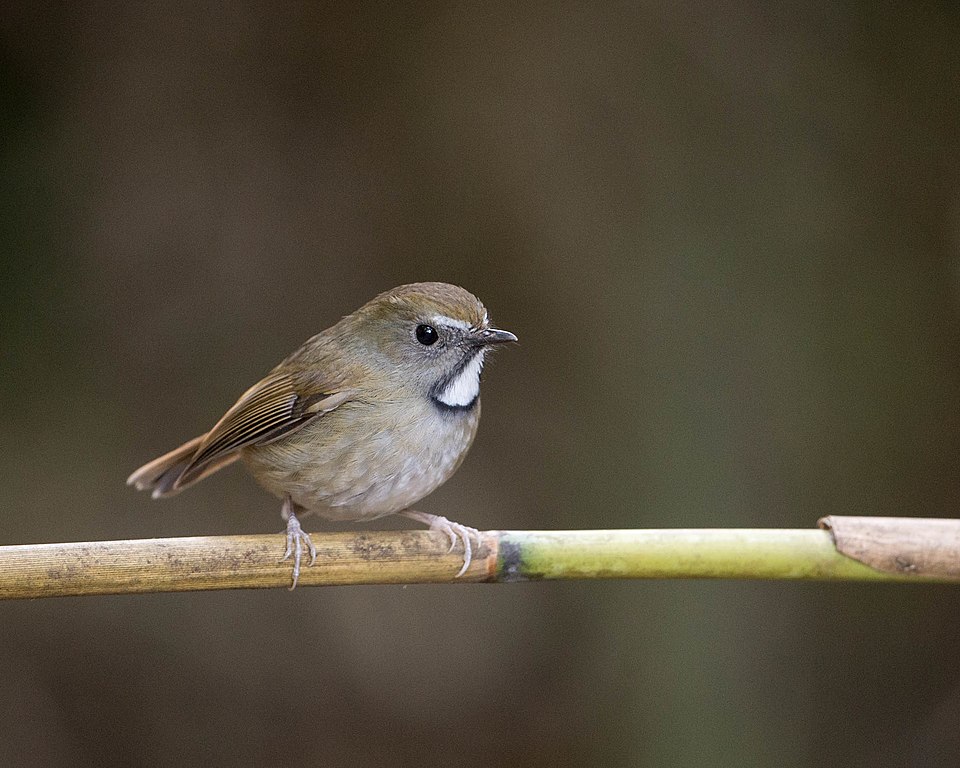
The Rufous Flycatcher is a small bird, measuring about 14 centimeters in length, making it a typical representative of the Muscicapidae family. Adults are easily identified by their rich rufous upperparts, which contrast sharply with their paler, buff underparts. This coloration serves as excellent camouflage among the reddish-brown leaves and bark in their forest habitats. The male and female Rufous Flycatchers exhibit minimal sexual dimorphism, though males may display slightly more vibrant hues during the breeding season. Juveniles, on the other hand, are distinguished by their mottled plumage, which provides additional camouflage. The Rufous Flycatcher's flight silhouette is characterized by rapid, agile movements, often interspersed with hovering as it hunts for insects. In terms of perching posture, it typically sits upright on branches, frequently flicking its wings and tail, a behavior common among Muscicapidae. While similar in size and shape to other flycatchers, such as the Asian Brown Flycatcher, its distinct coloration helps avoid confusion. Its rufous plumage is a definitive field mark that sets it apart from other sympatric flycatchers.
Having trouble telling birds apart? Upload a photo to our bird identification tool for an instant species match.
Rufous Flycatcher Habitat and Range
Preferred Habitat
The Rufous Flycatcher favors tropical montane and submontane forests, particularly those with dense undergrowth and ample canopy cover. It is commonly found at elevations ranging from 500 to 2000 meters, where the microclimate supports a rich insect population. In regions like Sumatra and Java, these birds inhabit undisturbed primary forests, though they can also be found in secondary growth forests, provided that these areas offer sufficient vegetation density. Seasonal shifts in habitat use are observed, with some individuals descending to lower elevations during the non-breeding season, often venturing into forest edges and clearings. In rural areas, the Rufous Flycatcher may occasionally be seen in orchards and plantations, especially if these environments are adjacent to forested regions. Urban presence is rare, as these birds generally avoid heavily populated areas, preferring the tranquility and resources offered by natural habitats.
Geographic Range
The Rufous Flycatcher has a relatively restricted range, primarily confined to the Southeast Asian region. Its breeding range includes the lush montane forests of southern Thailand, peninsular Malaysia, and the Indonesian islands of Sumatra and Java. Within these areas, the bird occupies specific altitudinal zones that cater to its ecological needs. During the non-breeding season, some populations may engage in altitudinal migration, moving to lower elevations where food resources are more abundant. While not considered a long-distance migrant, the Rufous Flycatcher may also exhibit short-distance dispersal across its range in response to environmental conditions. Population density hotspots are typically found in regions with extensive forest cover, such as the Taman Negara National Park in Malaysia and Gunung Leuser National Park in Sumatra, where conservation efforts help sustain suitable habitats. The bird's presence in these areas underscores the importance of habitat preservation for maintaining its populations.
Want to know which birds visit your area? Browse our backyard birds by location guides for region-specific species lists.
What Does the Rufous Flycatcher Eat?
The Rufous Flycatcher is primarily insectivorous, relying on a diet that includes a variety of flying insects, such as beetles, flies, and moths. It employs an agile aerial hunting technique known as 'hawking,' where it launches from a perch to catch prey mid-flight. During the wet season, when insect populations are at their peak, the Rufous Flycatcher may also consume spiders and small arthropods. In the dry season, when insects become scarcer, the bird displays dietary flexibility by supplementing its diet with small fruits and seeds. This adaptability in diet helps the Rufous Flycatcher maintain its energy requirements throughout seasonal variations. Prey size typically ranges from small to medium, allowing it to efficiently capture and handle food items. The Rufous Flycatcher tends to feed during the early morning and late afternoon, capitalizing on the increased insect activity during these cooler periods. Its foraging behavior often involves short sallying flights from a concealed perch, demonstrating both patience and precision in its hunting strategy.
Rufous Flycatcher Behavior and Social Structure
The Rufous Flycatcher exhibits solitary or paired behavior during the breeding season, with pairs establishing and defending territories. Males engage in vocal displays and wing flicking to attract mates and deter rivals. Courtship involves aerial chases and the presentation of food items by males to females. Outside the breeding season, the Rufous Flycatcher may join mixed-species foraging flocks, which enhances foraging success and offers protection against predators. These flocks often include other insectivorous birds, allowing the Rufous Flycatcher to capitalize on communal vigilance. Territorial behavior remains evident, with individuals actively defending feeding areas from intruders. The bird's response to predators involves a series of alarm calls, accompanied by rapid movements to confuse and evade threats. Daily activity patterns are characterized by active foraging during the cooler parts of the day, with periods of rest and preening during midday heat. The Rufous Flycatcher's social structure and behavioral repertoire reflect its adaptability and resourcefulness in navigating the challenges of its environment.
Rufous Flycatcher Nesting and Reproduction
The Rufous Flycatcher constructs a cup-shaped nest, typically situated on a horizontal branch or fork in a tree. Nest materials consist of twigs, moss, and lichen, bound together with spider silk for added stability. These nests are often well camouflaged within the dense foliage, providing protection against predators. The preferred location is usually at a height of 2 to 5 meters above ground, ensuring accessibility while minimizing exposure. Clutch size generally ranges from two to three eggs, with incubation lasting approximately 12 to 14 days. Both parents share incubation duties, though the female may assume a greater role in brooding. After hatching, the chicks remain in the nest for about 14 to 16 days before fledging. Parental care continues post-fledging, with adults teaching the young essential survival skills, such as foraging and predator avoidance. The Rufous Flycatcher typically raises one to two broods per year, depending on environmental conditions and resource availability.
Rufous Flycatcher Sounds and Vocalizations
The Rufous Flycatcher's primary song is a melodious series of clear, whistled notes, delivered in rapid succession. This song serves both territorial and courtship purposes, with males often singing from prominent perches. Call notes are shorter, consisting of sharp 'chip' sounds used for communication between mates and signaling alarm. These calls become more frequent during interactions with predators or conspecifics. During the dawn chorus, the Rufous Flycatcher contributes its song to the symphony of forest sounds, often joining other bird species in a communal display of vocalizations. The quality of its song, reminiscent of a flute's purity, makes it easily distinguishable from the harsher calls of other forest birds.
Interesting Facts About the Rufous Flycatcher
- 1The Rufous Flycatcher can capture insects in flight with remarkable precision, often catching prey smaller than 1 centimeter.
- 2Despite its small size, the Rufous Flycatcher plays a vital role in controlling insect populations in its forest habitat.
- 3The Rufous Flycatcher's vibrant rufous plumage provides excellent camouflage among the reddish-brown leaves of its habitat.
- 4During the breeding season, male Rufous Flycatchers perform elaborate aerial displays to attract females.
- 5The Rufous Flycatcher often joins mixed-species flocks, enhancing its foraging success and reducing predation risk.
- 6Both male and female Rufous Flycatchers participate in parenting duties, sharing incubation and feeding responsibilities.
- 7Rufous Flycatchers adjust their diet seasonally, switching from insects to fruits and seeds during the dry season.
Rufous Flycatcher Conservation Status
The Rufous Flycatcher is currently classified as Least Concern by the IUCN, indicating a stable population trend. However, habitat loss due to deforestation poses a significant threat to its long-term survival. Conservation efforts focus on preserving primary forests and promoting sustainable land-use practices. Protected areas in countries like Malaysia and Indonesia provide crucial refuges for the species, helping to mitigate the impacts of habitat degradation. Historical population changes have been relatively stable, though ongoing monitoring is essential to detect potential declines. Conservation strategies emphasize habitat protection and restoration to ensure the continued existence of this vibrant bird species.
Other Muscicapidae Species


Birds Similar to the Rufous Flycatcher
These species are often confused with the Rufous Flycatcher due to similar appearance or overlapping range.
