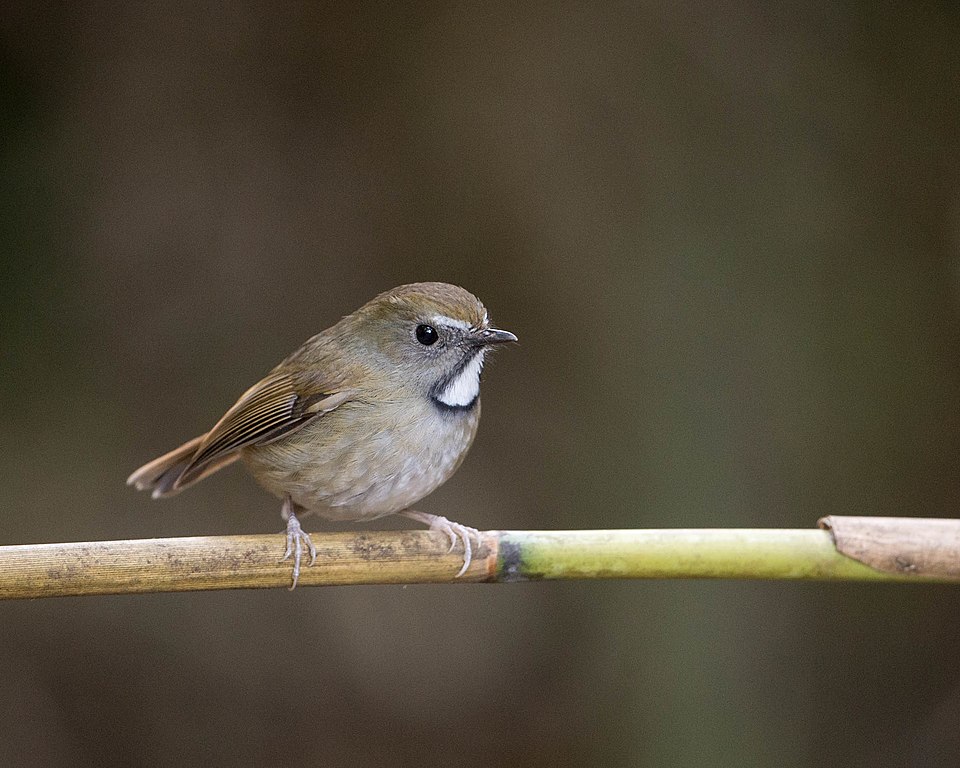
Muscicapa torquata
Muscicapa torquata
Order: Passeriformes / Family: Muscicapidae

Wikimedia Commons
About the Muscicapa torquata
The Muscicapa torquata, commonly known as the spotted flycatcher, is a quintessential member of the Muscicapidae family. This small passerine bird is notable within its range for its subdued yet effective insect-catching prowess. Spotted flycatchers thrive in a variety of habitats across Europe and parts of western Asia, marking their presence in deciduous woodlands, gardens, and parks. During the breeding season, these birds can be found in open woodlands and areas with scattered trees, as these environments provide ample opportunities for hunting flying insects. Their ecological role as insectivores places them as crucial controllers of insect populations, highlighting their importance in maintaining ecological balance. As migratory birds, spotted flycatchers embark on a seasonal journey each autumn, traveling from their breeding grounds in Europe to their wintering habitats in sub-Saharan Africa. This arduous journey underscores their resilience and adaptability in responding to the seasonal availability of food resources. The spotted flycatcher is a characteristically unobtrusive bird, often going unnoticed due to its drab coloration, but its presence marks a vital link in the ecosystems it inhabits. The Muscicapa torquata’s ability to thrive in human-altered landscapes such as gardens and parks further emphasizes its adaptability. As a species of Least Concern on the IUCN Red List, it nonetheless faces threats from habitat loss and changes in insect populations due to climate change and pesticides. Conservation efforts aimed at maintaining suitable habitats and understanding insect population dynamics are essential for the sustained presence of the spotted flycatcher. During the breeding season, from May to August, spotted flycatchers engage in courtship displays that include aerial chases and vocalizations. These behaviors are crucial for mate selection and territory establishment, which are vital for successful reproduction. Their role as insect predators is particularly emphasized during this time, as they require abundant food resources to raise their young. Post-breeding, these birds undertake their southward migration, which is a critical period that demands extensive energy reserves and suitable stopover habitats. The spotted flycatcher’s annual cycle is a testament to its ecological adaptability and the intricate web of interdependencies that define migratory bird life.
The Muscicapa torquata belongs to the family Muscicapidae, within the order Passeriformes. These birds typically live averages around 6 years, with some individuals living up to 9 years..
How to Identify a Muscicapa torquata
The adult Muscicapa torquata exhibits a muted gray-brown plumage, with subtle streaks on the breast and a slightly notched tail. This subdued coloration serves as excellent camouflage in their woodland habitats. Juvenile spotted flycatchers are similar in appearance but show a more pronounced scaly pattern on the upperparts, providing them extra concealment from predators. Males and females are visually indistinguishable, a common trait among many flycatcher species where sexual dimorphism is minimal. In flight, the spotted flycatcher displays a distinctive, agile silhouette characterized by rapid wingbeats and sudden aerial maneuvers. When perched, they adopt an upright posture on exposed branches, often returning to the same spot after brief forays to catch insects. Confusion can arise with similar species such as the European pied flycatcher, but the latter can be distinguished by its more contrasting black-and-white plumage. The spotted flycatcher’s lack of vivid markings and its subtle streaking are key identifiers when differentiating it from other flycatchers within its range.
Having trouble telling birds apart? Upload a photo to our bird identification tool for an instant species match.
Muscicapa torquata Habitat and Range
Preferred Habitat
Spotted flycatchers typically inhabit open woodlands, forest edges, and areas with scattered trees that offer ample perching sites and open airspace for hunting. They also frequent gardens, parks, and orchards, demonstrating their adaptability to human-altered environments. These birds are found from sea level up to elevations of about 2,000 meters, depending on the region. Seasonal habitat shifts occur as they migrate, with wintering habitats in sub-Saharan Africa including savannas and open woodland areas. While primarily rural dwellers, the spotted flycatcher occasionally ventures into urban settings, especially where green spaces are available, reflecting its versatility in habitat selection.
Geographic Range
The breeding range of the spotted flycatcher spans across Europe, from the British Isles and Scandinavia in the north to the Mediterranean countries in the south. Eastern populations extend into parts of western and central Asia. During migration, these birds traverse through southern Europe and the Middle East, utilizing key stopover sites that offer abundant insect prey. Their wintering range is primarily in sub-Saharan Africa, where they inhabit areas from Senegal and Gambia in the west to Ethiopia and Kenya in the east. Within these regions, population density is highest in areas that provide a mix of open landscapes and scattered trees, necessary for their insect-hunting lifestyle.
Want to know which birds visit your area? Browse our backyard birds by location guides for region-specific species lists.
What Does the Muscicapa torquata Eat?
The diet of the Muscicapa torquata is predominantly insectivorous, consisting mainly of flying insects such as flies, beetles, and moths. Seasonal diet variations occur as different insect populations become available. During spring and summer, when insect abundance peaks, they forage actively throughout the day. Spotted flycatchers employ a sit-and-wait foraging technique, perching on a vantage point before launching into a swift aerial pursuit of their prey. They occasionally supplement their diet with spiders and other small invertebrates, particularly when insect numbers dwindle. Their efficient hunting strategy allows them to capture a diverse range of prey, typically ranging from 2 to 10 millimeters in size.
Muscicapa torquata Behavior and Social Structure
The social structure of the spotted flycatcher is primarily solitary, though they may engage in loose associations with other insectivorous birds during migration. They are territorial during the breeding season, with males establishing and defending territories through song and aerial displays. Courtship involves the male performing subtle displays and offering food to the female. Spotted flycatchers exhibit a strong site fidelity, often returning to the same breeding sites each year. Their response to predators includes rapid flight and evasive maneuvers, relying on their agility to avoid capture. Daily activity patterns involve peak foraging during early morning and late afternoon, aligning with periods of high insect activity. During migration, they are less territorial and may be observed in small flocks, which provides increased safety during their long journeys.
Muscicapa torquata Nesting and Reproduction
Spotted flycatchers construct open cup nests made from twigs, grass, and moss, often lined with feathers or hair. They prefer nest sites in tree forks, building exteriors, or on ledges, demonstrating a flexibility in nesting location that aids in their adaptability to different environments. The typical clutch size ranges from 3 to 6 eggs, with an incubation period lasting about 12 to 14 days, primarily undertaken by the female. Both parents participate in feeding the chicks, which fledge approximately 12 to 16 days after hatching. The spotted flycatcher generally raises one to two broods per year, depending on environmental conditions and food availability. Parental care extends beyond fledging, with adults continuing to feed and guide their fledglings as they learn to hunt.
Muscicapa torquata Sounds and Vocalizations
The primary song of the spotted flycatcher is a simple, repetitive series of soft, high-pitched notes, often described as 'tsip-tsip-tsip.' Their call notes serve as contact calls between mates and are softer and less varied than their song. Alarm calls are sharper and more urgent, employed when predators are near. During the dawn chorus, the spotted flycatcher's song contributes a gentle backdrop in mixed woodlands, less conspicuous than louder songbirds but nonetheless integral to the auditory landscape. The quality of their vocalizations is soft and understated, mirroring their subtle plumage and behavior.
Interesting Facts About the Muscicapa torquata
- 1Spotted flycatchers can catch up to 300 insects per day during peak breeding season, showcasing their efficiency.
- 2They are known to return to the same breeding site for several consecutive years, indicating strong site fidelity.
- 3During migration, spotted flycatchers can travel over 3,000 kilometers to reach their wintering grounds in Africa.
- 4Despite their unobtrusive plumage, their aerial acrobatics make them a captivating sight for birdwatchers.
- 5Spotted flycatchers have been recorded using artificial nest boxes, demonstrating their adaptability to human environments.
Muscicapa torquata Conservation Status
Currently listed as Least Concern by the IUCN, the population trend for the spotted flycatcher shows a moderate decline, primarily due to habitat loss and changes in insect abundance. Agricultural intensification and pesticide use pose significant threats, reducing the availability of prey. Conservation efforts focus on preserving and enhancing suitable habitats, such as maintaining hedgerows and woodlands that support insect populations. In historical terms, spotted flycatchers experienced more stable populations, but recent shifts in land use and climate patterns have necessitated increased conservation attention.