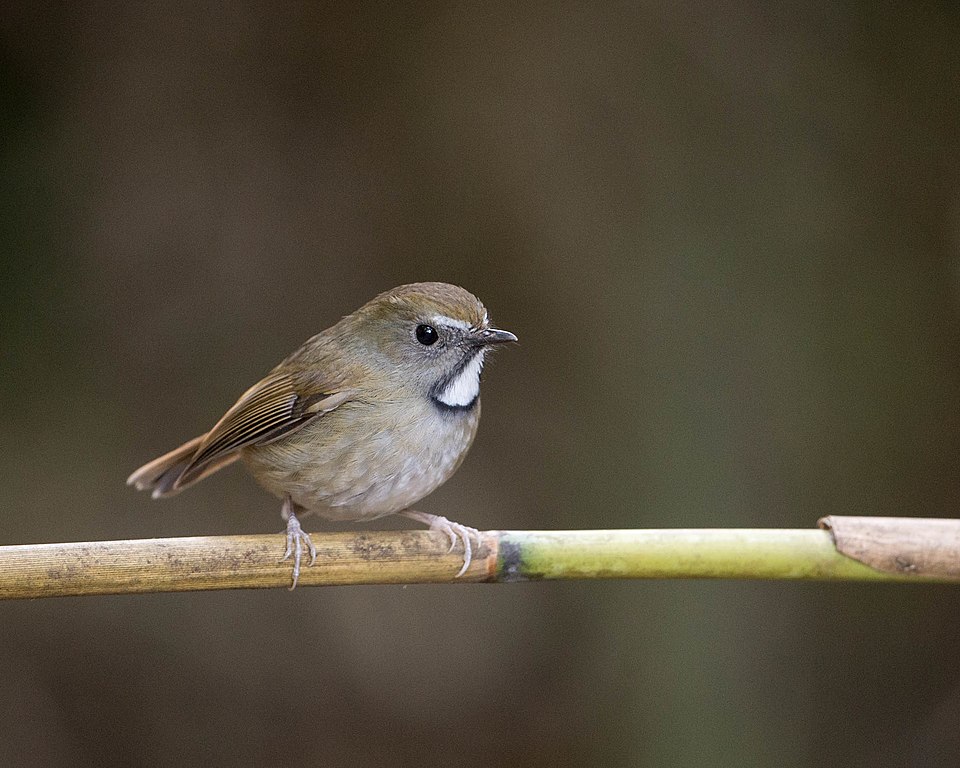
Myophonus metallicus
Myophonus metallicus
Order: Passeriformes / Family: Muscicapidae

Wikimedia Commons
About the Myophonus metallicus
The Myophonus metallicus, commonly referred to as the Blue Whistling-Thrush, is a captivating songbird belonging to the family Muscicapidae. It is predominantly found in the dense, moist forests of the Himalayan region, spanning from Nepal and Bhutan to parts of northern India, including the states of Uttarakhand and Sikkim. This bird is particularly significant in its ecosystem due to its role as both a predator and a seed disperser. Its presence often marks the health of the forest habitats it frequents, as the Blue Whistling-Thrush thrives in areas with abundant water sources and diverse insect life. During the breeding season, which typically stretches from March to July, the Myophonus metallicus becomes more visible and vocal, as it establishes and defends its territory with a series of melodious calls that resonate through the forest canopy. This is also the time when the bird’s striking plumage is most notable in its display rituals. Outside the breeding season, it remains somewhat solitary, although it may occasionally join mixed-species flocks, particularly when food becomes scarce. The bird's ecological role extends beyond its immediate environment as it is known to migrate altitudinally, descending to lower elevations during the winter months in search of milder climates and more accessible food sources. This seasonal migration helps the species to maintain its populations across its wide range, as it exploits different ecosystems throughout the year. The Blue Whistling-Thrush is an integral part of the avian community in its native habitat, contributing to the biodiversity and ecological balance of the regions it inhabits.
The Myophonus metallicus belongs to the family Muscicapidae, within the order Passeriformes. These birds typically live typically around 5-8 years, with some individuals reaching 10 years in the wild..
How to Identify a Myophonus metallicus
The Blue Whistling-Thrush is a medium-sized bird, measuring around 33-35 cm in length. Its most distinctive feature is its metallic-blue plumage, which shimmers with an iridescent sheen in sunlight. Adults have a darker, almost purplish-blue hue on their head and upperparts, while the underparts are slightly lighter. Juveniles tend to be duller, with less iridescence and more of a brownish tinge to their feathers, making them less conspicuous. Both males and females exhibit similar plumage, although males may appear slightly brighter during the breeding season due to hormonal changes that enhance their coloration. In flight, the bird presents a robust silhouette, with broad wings and a moderately long tail that helps in agile forest navigation. When perched, the Blue Whistling-Thrush often adopts an upright posture, showcasing its strong, sturdy beak that is well-suited for its omnivorous diet. This bird can be confused with the Purple Cochoa, which shares a similar habitat, but the latter has a more purple hue and lacks the Blue Whistling-Thrush’s distinctive beak shape and size. Observers can also differentiate the Myophonus metallicus by its characteristic whistling calls, which are unique among the forest’s avian sounds.
Having trouble telling birds apart? Upload a photo to our bird identification tool for an instant species match.
Myophonus metallicus Habitat and Range
Preferred Habitat
The Myophonus metallicus predominantly inhabits montane forests, favoring areas with a rich undergrowth and proximity to water sources such as streams and rivers. These birds are commonly found at elevations ranging from 1,500 to 3,500 meters, although they may descend to as low as 1,000 meters during colder months. The Blue Whistling-Thrush shows a preference for subtropical and temperate broadleaf forests, where it can find ample food and nesting sites. While it is primarily a forest dweller, it can occasionally be seen in more open habitats, including plantations and orchards, especially when foraging for food. Urban presence is rare, as the bird generally avoids highly populated areas, favoring the quiet and undisturbed nature of rural and forested landscapes.
Geographic Range
The Blue Whistling-Thrush is native to the Himalayan region, with its range extending from eastern Afghanistan through northern Pakistan, India, Nepal, Bhutan, and into northern Myanmar and southern China. It is particularly abundant in the foothills of the Himalayas, where the combination of lush forests and riverine environments provides ideal conditions for breeding and foraging. During the breeding season, its range is more confined to higher elevations, but as winter approaches, the Myophonus metallicus may migrate to lower altitudes in search of warmer climates. This altitudinal migration is a hallmark of its adaptability, allowing it to occupy diverse ecosystems within its geographical range. Hotspots for population density include the forests of Uttarakhand and Sikkim, where conservation efforts have helped maintain stable populations.
Want to know which birds visit your area? Browse our backyard birds by location guides for region-specific species lists.
What Does the Myophonus metallicus Eat?
The diet of the Blue Whistling-Thrush is diverse, comprising primarily of insects, small invertebrates, and a variety of fruit. Invertebrates make up the bulk of its diet during the breeding season, when the bird requires high levels of protein to sustain itself and its young. The bird employs a foraging technique that involves probing and flipping over leaf litter to uncover hidden prey. It is also known to hunt small vertebrates such as frogs and lizards, demonstrating its opportunistic feeding habits. During the winter months, when insects become scarce, the Myophonus metallicus shifts its diet towards more plant-based foods, including berries and seeds, which are more readily available. This dietary flexibility is a key factor in its ability to thrive across various habitats and elevations.
Myophonus metallicus Behavior and Social Structure
The Myophonus metallicus is primarily solitary, although it may occasionally be seen in pairs, particularly during the breeding season. It is a territorial bird, with males often engaging in vocal displays to mark their territory and ward off rivals. These displays are accompanied by physical posturing, where the bird raises its crest and fluffs its feathers to appear larger and more intimidating. Courtship involves a series of melodic whistles and calls, with the male often presenting food offerings to the female as part of the bonding process. Outside the breeding season, the Blue Whistling-Thrush may join mixed-species flocks, especially when foraging, as this provides safety in numbers and increases foraging success. Its response to predators involves a combination of alarm calls and evasive flight, utilizing its agility and knowledge of the forest terrain to escape danger. The bird is primarily diurnal, with peak activity occurring in the early morning and late afternoon, when it is most vocal and visible.
Myophonus metallicus Nesting and Reproduction
The nesting behavior of the Blue Whistling-Thrush is characterized by its preference for building nests in sheltered locations, often on ledges or in crevices near water sources. The nest is a bulky structure composed of moss, leaves, and mud, providing a secure environment for the eggs and chicks. A typical clutch consists of 3 to 5 eggs, which are incubated by the female for about 14 to 16 days. During this period, the male plays a supportive role by bringing food to the nesting site. Once hatched, the chicks remain in the nest for approximately 14 to 18 days before fledging, during which both parents are actively involved in feeding and protecting them. The Myophonus metallicus typically raises one brood per year, although a second brood may occur if conditions are favorable.
Myophonus metallicus Sounds and Vocalizations
The primary song of the Blue Whistling-Thrush is a series of rich, flute-like whistles that vary in pitch and rhythm, creating a melodious and far-carrying sound. These songs are most commonly heard during the early morning hours, as part of the dawn chorus, and serve both to attract mates and to establish territory. In addition to its song, the bird produces a variety of calls, including softer contact calls used between mates and harsher alarm calls that alert others to potential threats. These sounds are distinctive and can be compared to the clear notes of a flute, making the Myophonus metallicus one of the more recognizable songbirds in its habitat.
Interesting Facts About the Myophonus metallicus
- 1The Blue Whistling-Thrush holds the record for having the longest song duration among its species group, often singing for up to 20 minutes.
- 2Despite its name, the Blue Whistling-Thrush is not a true thrush but rather belongs to the Old World flycatcher family.
- 3Its iridescent feathers are not due to pigments but rather the microscopic structure of the feathers that refract light.
- 4The Blue Whistling-Thrush is known to mimic the calls of other birds, adding to its repertoire of sounds and making it a versatile vocalist.
- 5In some parts of Asia, the bird is associated with waterfalls and is considered a symbol of good luck by local communities.
- 6The bird's powerful bill allows it to crack open snail shells, showcasing its adaptability in diet and foraging techniques.
Myophonus metallicus Conservation Status
Currently, the Blue Whistling-Thrush is listed as Least Concern by the IUCN due to its wide range and stable population trends. Despite this, it faces threats from habitat destruction and fragmentation, particularly in areas where deforestation and human encroachment are prevalent. Conservation efforts focus on preserving the bird's natural habitats and promoting sustainable land-use practices. Historically, the population has remained stable, but continued monitoring and habitat protection are essential to ensure its long-term survival.