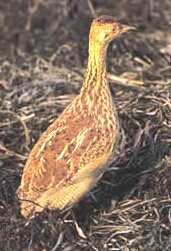
Nothura parvulus
Nothura parvulus
Order: Tinamiformes / Family: Tinamidae
About the Nothura parvulus
The Lesser Nothura, scientifically known as Nothura parvulus, inhabits the grassy plains and scrublands of South America. This small tinamou plays a crucial role in its ecosystem, acting as both a seed disperser and a prey item for larger predators. Found mainly in countries like Brazil, Argentina, and Paraguay, the Lesser Nothura is well adapted to its environment. These birds are ground dwellers, rarely taking to flight, preferring instead to run swiftly through the underbrush. Their plumage, a mottled mix of browns and grays, serves as excellent camouflage against the dry grasses and earth, allowing them to remain unseen by predators. During the breeding season, which coincides with the rainy season, these birds become slightly more visible as males engage in courtship displays. Outside of breeding periods, they are solitary, blending seamlessly into the landscape. The ecological significance of the Lesser Nothura extends beyond its interactions with other species. By foraging on a diverse diet that includes seeds and small invertebrates, they help control insect populations and promote plant diversity through seed dispersal. Their presence indicates a healthy grassland ecosystem, as these birds require a specific range of plant life to thrive. Despite their elusive nature, the call of the Lesser Nothura, a series of soft, whistled notes, can often be heard echoing across the plains at dawn and dusk, adding to the soundscape of their habitat. Conservationists consider the Lesser Nothura as a species of least concern, though habitat destruction poses a potential threat. The ongoing conversion of grasslands into agricultural lands could impact their populations, making habitat conservation a priority for ensuring the survival of this and other grassland-dependent species.
The Nothura parvulus belongs to the family Tinamidae, within the order Tinamiformes. These birds typically live average 6 years, with a maximum recorded of 10 years..
How to Identify a Nothura parvulus
The Lesser Nothura, or Nothura parvulus, can be identified by its small, compact body and cryptic plumage. Adults exhibit a mottled brown and gray coloration, which provides effective camouflage against their grassland habitat. The back and wings display a pattern of dark and light streaks, while the underparts are paler with a faint buff wash. Juveniles appear similar to adults but with slightly more pronounced streaking and a duller overall appearance. Males and females are visually similar, making sex differentiation in the field challenging without more invasive methods. Unlike many other bird species, the Lesser Nothura lacks the bright plumage or distinctive markings that make for easy identification. Instead, birders often rely on their distinctive whistled call and behavior, as these birds are more often heard than seen. In flight, the Lesser Nothura shows short, rounded wings and a swift flight pattern characterized by rapid wingbeats, although they prefer running to flying. When perched, their posture is crouched, often hiding among grasses, which can make them difficult to spot even at close range. Confusion with similar species like the Spotted Nothura can occur, but the Lesser Nothura's size and specific geographical range help in making a positive identification.
Having trouble telling birds apart? Upload a photo to our bird identification tool for an instant species match.
Nothura parvulus Habitat and Range
Preferred Habitat
The Lesser Nothura inhabits open grasslands, savannas, and scrublands, with a preference for areas with dense ground cover that provide both food and protection from predators. These birds thrive in elevations ranging from sea level to about 1,500 meters, although they are most commonly found in lowland areas. Seasonal shifts in habitat use are minimal, as the species is non-migratory, remaining within its preferred habitat year-round. While they can inhabit areas near human settlements, they avoid heavily urbanized or forested regions. In rural settings, they can be found foraging along the edges of agricultural fields and in pastures, benefiting from the reduced predator presence in these managed landscapes.
Geographic Range
The Lesser Nothura's range spans several South American countries, including Brazil, Argentina, Uruguay, and Paraguay. They are primarily found in the central and eastern parts of the continent, favoring the Pampas and Cerrado regions. These birds do not undertake long migrations, although they may move locally in response to changes in food availability and habitat conditions. Population densities are highest in areas where grasslands are intact and minimally disturbed by human activity. However, agricultural expansion and development pose threats to their habitat, potentially leading to localized declines in some regions.
Want to know which birds visit your area? Browse our backyard birds by location guides for region-specific species lists.
What Does the Nothura parvulus Eat?
The diet of the Lesser Nothura consists mainly of seeds, supplemented by small insects and other invertebrates. Their foraging technique involves walking slowly through their habitat, pecking at food items on the ground. During the rainy season, their diet shifts slightly to include more insects, which become more abundant and provide a rich protein source necessary for breeding. Seeds from grasses and shrubs form the staple of their diet year-round. They forage primarily during the early morning and late afternoon, avoiding the midday heat.
Nothura parvulus Behavior and Social Structure
Lesser Nothuras are generally solitary or found in pairs outside the breeding season. They are territorial, with males establishing and defending their territories through vocalizations and displays. Courtship involves a series of calls and physical displays, where the male puffs up his chest feathers and performs a short dance to attract a mate. These birds are ground-dwellers, rarely taking to flight unless disturbed, and even then, they prefer to run. Their response to predators involves remaining motionless and relying on their cryptic plumage to avoid detection. Daily activity peaks during the cooler hours of the day, with periods of rest during the heat of midday.
Nothura parvulus Nesting and Reproduction
Lesser Nothuras nest on the ground, often choosing sites hidden among tall grasses or under shrubs to conceal their presence. The nest itself is a simple scrape lined with grass and leaves. Females lay a clutch of 4 to 5 eggs, which are incubated primarily by the male. The incubation period lasts about 20 to 22 days. Once hatched, the chicks are precocial, leaving the nest shortly after birth to follow their parents. Both parents assist in caring for the young, although the male assumes the primary role in leading the brood. Typically, they raise one brood per year, although favorable conditions may allow for a second.
Nothura parvulus Sounds and Vocalizations
The primary song of the Lesser Nothura is a series of soft, flute-like whistles that can be heard primarily during the early morning and late afternoon. These calls serve both territorial and mating purposes. Their call notes are typically short and mellow, providing a distinctive sound that sets them apart from other grassland birds. Alarm calls are sharper and quicker, often given in response to perceived threats. During the dawn chorus, their calls contribute to the soundscape of grassland ecosystems, blending with the songs of other avian residents.
Interesting Facts About the Nothura parvulus
- 1Lesser Nothuras are part of the Tinamidae family, one of the oldest groups of birds, dating back 40 million years.
- 2These birds are capable of short, fast flights but prefer to escape predators by running swiftly.
- 3The cryptic plumage of the Lesser Nothura provides excellent camouflage, making them difficult to spot in their grassy habitats.
- 4Unlike many bird species, the male Lesser Nothura primarily incubates the eggs and cares for the young.
- 5Lesser Nothuras contribute to their ecosystems by dispersing seeds and controlling insect populations.
- 6Their soft, whistled calls are often mistaken for those of other grassland birds, making auditory identification a skillful endeavor.
- 7Lesser Nothuras can thrive in agricultural landscapes if the habitats are managed sustainably to reduce disturbances.
Nothura parvulus Conservation Status
The Lesser Nothura is currently listed as a species of least concern by the IUCN, with a stable population trend. However, habitat destruction due to agricultural expansion poses a significant threat. Conservation efforts focus on preserving grassland habitats and mitigating the effects of land-use changes. Historical population levels were higher before extensive agricultural development, highlighting the need for sustainable land management practices to support their continued survival. Organizations working in these regions promote awareness and implement strategies to maintain suitable habitats and protect these birds.
Other Tinamidae Species


Birds Similar to the Nothura parvulus
These species are often confused with the Nothura parvulus due to similar appearance or overlapping range.