
Oceanic Parrot
Eclectus infectus
Order: Psittaciformes / Family: Psittacidae
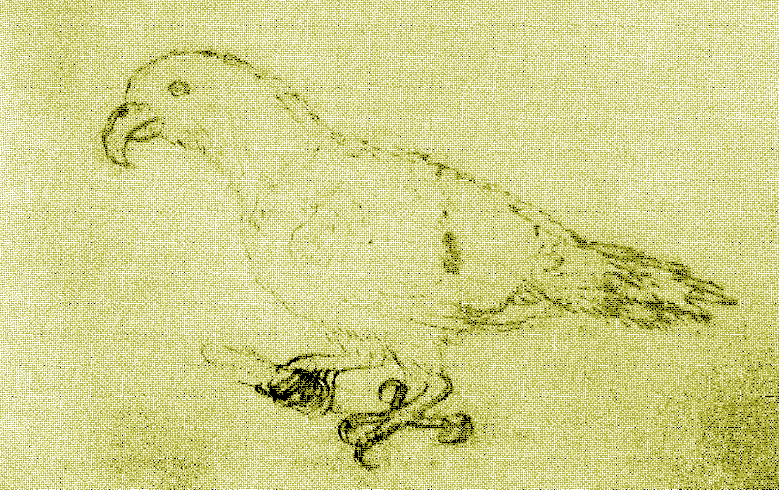
Wikimedia Commons
About the Oceanic Parrot
The Oceanic Parrot, scientifically named Eclectus infectus, stands out in the avian world for its brilliant coloration and distinct sexual dimorphism. Found predominantly in the Solomon Islands and parts of Vanuatu, this parrot thrives in the dense, humid forests of the region. The male showcases a vibrant green plumage, while the female is adorned with a striking combination of red and purple. This coloration not only aids in camouflage but also plays a crucial role in their social interactions and mating rituals. The Oceanic Parrot plays a significant role in the ecosystem as a seed disperser. By feeding on a variety of fruits and nuts, it helps in the propagation of numerous plant species, ensuring the health and regeneration of its tropical habitat. The parrot's seasonal behaviors are influenced by food availability and weather conditions. During the rainy season, the abundance of fruits leads to increased breeding activities. Conversely, the dry season sees a more nomadic lifestyle as these parrots move in search of food. Their ecological role extends beyond seed dispersal. As prey for larger birds and reptiles, the Oceanic Parrot contributes to the food web dynamics within its environment. Furthermore, their vibrant presence is a significant draw for ecotourism, contributing to local economies and raising awareness about the importance of rainforest conservation.
The Oceanic Parrot belongs to the family Psittacidae, within the order Psittaciformes. These birds typically live Unknown, with no max recorded..
How to Identify a Oceanic Parrot
Identifying the Oceanic Parrot involves noting several key features. Adults display significant sexual dimorphism. Males possess a bright green plumage with a striking orange beak, which contrasts with their blue primary feathers. Females, on the other hand, have a predominantly red plumage with a dark purple belly and a black beak, making them easily distinguishable. Juveniles resemble adults but have a duller coloration. It is crucial to distinguish the Oceanic Parrot from similar species like the Eclectus roratus, which shares the green and red coloration but has subtle differences in shading and beak color. In flight, the Oceanic Parrot has a distinctive silhouette with broad wings and a short tail. When perched, they maintain an upright posture, often seen in pairs or small groups. Their flight is characterized by strong, direct movements interspersed with glides.
Having trouble telling birds apart? Upload a photo to our bird identification tool for an instant species match.
Oceanic Parrot Habitat and Range
Preferred Habitat
The Oceanic Parrot inhabits tropical and subtropical forests, primarily those of the Solomon Islands and parts of Vanuatu. These parrots are typically found in lowland rainforests but can also be seen at elevations up to 1000 meters. They prefer dense canopy cover, which offers protection and abundant food resources. Seasonally, they may venture into secondary forests or even cultivated areas when food in primary forests is scarce. While not common in urban areas, they may be observed in rural settings adjacent to forested zones.
Geographic Range
Eclectus infectus has a range that is largely confined to the Solomon Islands and Vanuatu in Oceania. These parrots are non-migratory, residing year-round within their home range. They are most densely populated on the larger islands such as Guadalcanal and Malaita, where the forest habitats are more extensive. While they do not undertake long migrations, seasonal movements within their range are common as they follow food availability. The population density in these regions is moderate, with certain forest patches supporting higher numbers, especially during the breeding season.
Want to know which birds visit your area? Browse our backyard birds by location guides for region-specific species lists.
What Does the Oceanic Parrot Eat?
The diet of the Oceanic Parrot consists primarily of fruits, seeds, and nuts. They favor figs, berries, and various tropical seeds, employing their strong beaks to crack open hard shells. During the rainy season, an abundance of fruit allows them to feed frequently, contributing to their energy needs during breeding. In drier months, they may rely more heavily on seeds and nuts. Foraging usually occurs in the early morning and late afternoon, with parrots seen moving through the canopy in search of food. The size of their prey ranges from small seeds to larger fruits, demonstrating their adaptability in feeding.
Oceanic Parrot Behavior and Social Structure
The Oceanic Parrot exhibits intriguing social behavior. They tend to live in pairs or small family groups, emphasizing strong pair bonds. Territorial behavior is evident during the breeding season, with pairs defending their nesting sites vigorously. Courtship displays include mutual preening and vocalizations, strengthening pair bonds. In response to predators, the parrots emit alarm calls, alerting others in the vicinity. They display a diurnal activity pattern, with peak activity in the cooler morning and late afternoon hours. Flocking behavior is more common outside the breeding season when food sources are less concentrated.
Oceanic Parrot Nesting and Reproduction
Nesting for the Oceanic Parrot occurs primarily in tree cavities, often in tall, mature trees. The nesting site is usually selected by the female, who inspects potential cavities. Nests are lined with soft materials such as leaves and wood shavings. A typical clutch consists of two to three eggs, which the female incubates for approximately 28 days. The male provides food during this period. Fledging occurs around 11 weeks after hatching, with both parents involved in feeding and caring for the chicks. Typically, one brood is raised per year, although favorable conditions may allow for a second.
Oceanic Parrot Sounds and Vocalizations
The Oceanic Parrot produces a variety of vocalizations. Its primary song is a series of melodious whistles with a rhythmic pattern, often heard during dawn and dusk. Calls include sharp squawks and softer chattering used for communication between mates and within flocks. Alarm calls are harsh and loud, serving to alert others of potential threats. During the dawn chorus, their calls contribute to the vibrant soundscape of the forest, a blend of unique whistles and calls that serve various social functions.
Interesting Facts About the Oceanic Parrot
- 1The Oceanic Parrot exhibits one of the most extreme examples of sexual dimorphism in parrots, with males and females having completely different colors.
- 2Despite their bright colors, both male and female Oceanic Parrots are well camouflaged in their natural forest habitats.
- 3The Oceanic Parrot's strong beak allows it to crack open even the toughest of seeds and nuts.
- 4These parrots play a crucial role in seed dispersal, aiding in the maintenance of the tropical forest ecosystem.
- 5The Oceanic Parrot's vocalizations are not just for communication; they also play a role in maintaining social bonds.
- 6Eclectus infectus can live up to 30 years in the wild, contributing to their stable population in protected areas.
- 7The Oceanic Parrot is one of the few parrot species where females are more brightly colored than males.
Oceanic Parrot Conservation Status
Classified as Near Threatened by the IUCN, the Oceanic Parrot faces a decline in population. The primary threats include habitat loss due to logging and land conversion for agriculture. Conservation efforts focus on habitat protection and the establishment of reserves. Historically, populations have fluctuated with human activities. Continued efforts to monitor populations and protect critical habitats are vital for their survival.


