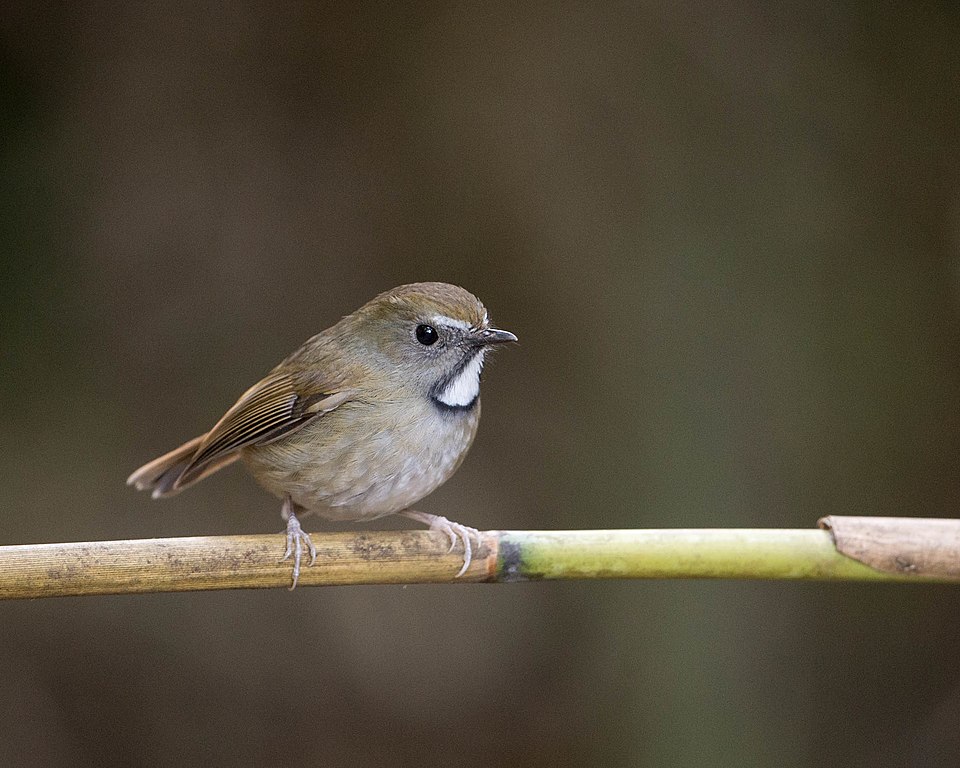
Oriental Magpie-Robin
Copsychus saularis
Order: Passeriformes / Family: Muscicapidae

Wikimedia Commons
About the Oriental Magpie-Robin
The Oriental Magpie-Robin, known scientifically as Copsychus saularis, is a small passerine bird belonging to the Muscicapidae family. This bird is highly revered in its native regions for its beautiful song and striking appearance. Found predominantly across the Indian subcontinent and Southeast Asia, the Oriental Magpie-Robin thrives in a variety of habitats ranging from urban gardens to dense forests. This adaptability has allowed it to maintain a stable population, even in rapidly urbanizing areas. Its ecological role is significant, as it acts as both a predator and prey within its ecosystem. It controls insect populations by feeding on a variety of invertebrates, while it also serves as food for larger predators. The bird's presence is often a good indicator of biodiversity in the region. Seasonal behaviors of the Oriental Magpie-Robin include a pronounced breeding season that coincides with the rainy season in many parts of its range. During this period, males engage in elaborate singing to attract mates and defend territory. Outside the breeding season, these birds may become more elusive, focusing on feeding and avoiding predators. The bird's adaptability to various environments ensures its presence from the rolling hills of Sri Lanka to the bustling streets of Bangkok. Recognized for its melodious song, the Oriental Magpie-Robin has cultural significance in several Asian countries. It is often associated with good fortune and is sometimes kept as a pet, although this practice is declining due to conservation awareness. The bird's role extends beyond its biological impact, as it also enriches human cultures through its song and presence in folklore.
The Oriental Magpie-Robin belongs to the family Muscicapidae, within the order Passeriformes. These birds typically live average 8-10 years, with a maximum recorded of 13 years..
How to Identify a Oriental Magpie-Robin
The Oriental Magpie-Robin is easily recognized by its contrasting black and white plumage. Adult males exhibit a glossy black head, back, and tail, with a prominent white belly and flanks. A distinctive white wing patch becomes visible during flight. Females and juveniles, however, have a more muted appearance. Females possess a greyish-brown plumage on their upper parts, with a lighter tone compared to males. Juveniles initially resemble females but have speckled underparts that fade with age. The bird's upright posture while perching and its characteristic tail flicking are key identification marks. It often sits conspicuously on low branches or man-made structures, making it a common sight in urban areas. The flight silhouette of the Oriental Magpie-Robin is agile and swift, characterized by rapid wing beats. Its tail is frequently fanned out, revealing the striking white edges that contrast with its otherwise dark plumage. The bird's perching neck is slightly extended, offering a distinct posture that sets it apart from similar species. While it can be confused with the White-rumped Shama due to similar coloration, the latter has a longer tail and lacks the prominent white wing patch.
Having trouble telling birds apart? Upload a photo to our bird identification tool for an instant species match.
Oriental Magpie-Robin Habitat and Range
Preferred Habitat
The Oriental Magpie-Robin thrives in a variety of habitats, showcasing its adaptability. It is commonly found in secondary forests, open woodlands, and scrublands. In urban settings, it frequents gardens, parks, and even residential areas. The bird is comfortable at elevations ranging from sea level to about 1500 meters in the foothills of the Himalayas. During the breeding season, it prefers areas with dense shrubbery and undergrowth, which provide ample feeding and nesting opportunities. While it remains a year-round resident in many areas, seasonal habitat shifts can occur, with some populations moving to more open areas during non-breeding periods. The Oriental Magpie-Robin's presence in both urban and rural areas highlights its ability to adjust to different environments, a trait that has helped it thrive despite human encroachment on natural habitats.
Geographic Range
The Oriental Magpie-Robin occupies a broad geographic range across South and Southeast Asia. Its breeding range encompasses the Indian subcontinent, including India, Nepal, Bangladesh, and Sri Lanka. Populations are also found in southern China, the Malay Peninsula, and the Indonesian archipelago. The bird is largely sedentary, with most populations remaining within their breeding range year-round. However, some minor altitudinal migrations occur, particularly in regions with marked seasonal changes. In terms of population density, the bird is most abundant in areas with a mix of open spaces and dense vegetation, such as the forests of Kerala or the rural outskirts of Bangkok. It is less common in arid regions and dense primary forests, preferring the edge habitats that provide food and nesting resources.
Want to know which birds visit your area? Browse our backyard birds by location guides for region-specific species lists.
What Does the Oriental Magpie-Robin Eat?
The Oriental Magpie-Robin is an opportunistic feeder, with a diet primarily consisting of insects and other small invertebrates. Beetles, ants, and caterpillars form a significant portion of its diet, particularly during the breeding season when the demand for protein is high. In addition to insects, the bird also consumes berries, seeds, and occasionally small reptiles. Seasonal variations influence its diet, with a greater reliance on fruits during periods of low insect availability. Foraging behavior is typically solitary, with the bird actively searching through leaf litter and foliage. It often adopts a perch-and-pounce technique, using elevated vantage points to spot prey before swooping down to capture it. This method allows the Oriental Magpie-Robin to efficiently exploit its environment, making it a successful predator within its ecological niche.
Want to attract Oriental Magpie-Robins to your yard? See our recommended feeders and seed types for the best results.
Oriental Magpie-Robin Behavior and Social Structure
The Oriental Magpie-Robin exhibits a complex social structure, with territorial behavior being most pronounced during the breeding season. Males establish and defend territories through vocal displays and occasional skirmishes with rivals. Their song serves both as a territorial marker and a courtship display to attract females. Courtship behavior involves an intriguing display where males puff up their feathers, fan their tails, and sing persistently to woo potential mates. Outside the breeding season, these birds may form loose associations, but they are not truly social. Their daily activity patterns involve periods of vigorous foraging interspersed with rest and preening. The bird's response to predators includes a suite of alarm calls and evasive flight maneuvers. Predators such as snakes and birds of prey pose significant threats, prompting the Oriental Magpie-Robin to remain vigilant. Its keen sense of awareness and agility help it escape many potential dangers.
Oriental Magpie-Robin Nesting and Reproduction
Nesting for the Oriental Magpie-Robin typically occurs during the rainy season, coinciding with an abundance of food. The female primarily constructs the nest, which is often cup-shaped and made from twigs, grass, and leaves. These nests are usually located in tree hollows, crevices, or man-made structures such as eaves and windowsills. Clutch size ranges from 3 to 5 eggs, with the female incubating them for about 8 to 14 days. Once hatched, both parents share the responsibility of feeding and caring for the young. The fledging period lasts approximately 12 to 15 days, after which the juveniles leave the nest but remain under parental care until they gain independence. In a typical breeding season, the Oriental Magpie-Robin may raise two broods, especially in regions with extended favorable conditions.
Oriental Magpie-Robin Sounds and Vocalizations
The Oriental Magpie-Robin is renowned for its melodious and varied song, which consists of a series of rich, flute-like notes delivered with a rhythmic pattern. The song is usually performed from a prominent perch, with each phrase repeated several times. In addition to its primary song, the bird emits a range of call notes, including sharp, clicking sounds used in communication and alarm calls. These alarm calls are short and abrupt, serving as a warning to other birds of potential danger. During the dawn chorus, the Oriental Magpie-Robin's song is particularly prominent, adding to the auditory tapestry of its habitat. Its vocalizations, often compared to those of the European Blackbird, play a crucial role in its social and territorial interactions.
Interesting Facts About the Oriental Magpie-Robin
- 1The Oriental Magpie-Robin can mimic the calls of other bird species, showcasing its vocal versatility.
- 2In some cultures, the song of the Oriental Magpie-Robin is believed to bring good luck and prosperity.
- 3The bird's tail is often held upright, a behavior that enhances its visual display during social interactions.
- 4Oriental Magpie-Robins have been known to live for over 12 years in the wild, a testament to their adaptability.
- 5Their ability to thrive in urban environments highlights the Oriental Magpie-Robin's adaptability and resourcefulness.
- 6The species was once a popular cage bird, prized for its singing ability, although this practice is now less common.
- 7Oriental Magpie-Robins play a role in seed dispersal, as they consume and excrete seeds from the fruits they eat.
Oriental Magpie-Robin Conservation Status
The Oriental Magpie-Robin is currently listed as Least Concern by the IUCN, with stable population trends across its range. Despite facing threats from habitat destruction and urbanization, the species has shown remarkable resilience. Conservation efforts include habitat protection and public awareness campaigns to prevent trapping and illegal trade. Historically, populations have fluctuated due to changes in land use, but the bird's adaptability has enabled recovery in various areas. Continued monitoring and habitat preservation remain essential to ensure its long-term survival.
Attracting Oriental Magpie-Robins to Your Feeder
The Oriental Magpie-Robin is a regular visitor to backyard bird feeders across its range. At the Eye On The Fly feeding station, we observe Oriental Magpie-Robins regularly and capture footage with our feeder cameras.