
Palawan Flycatcher
Ficedula platenae
Order: Passeriformes / Family: Muscicapidae

Wikimedia Commons
About the Palawan Flycatcher
The Palawan Flycatcher (Ficedula platenae) is a captivating bird species endemic to the island of Palawan in the Philippines. As a member of the Muscicapidae family, it exemplifies the adaptability and specialized behaviors characteristic of flycatchers. This bird is a visual delight with its striking plumage and an integral participant in the island's ecosystem. The Palawan Flycatcher inhabits the lush forests of Palawan, favoring both primary and secondary lowland forests, as well as moist montane forests. These environments provide the dense foliage and abundant insect life necessary for its survival. The flycatcher plays a pivotal role in maintaining ecological balance by controlling insect populations, which in turn supports the health of the forest flora. During the breeding season, the Palawan Flycatcher engages in elaborate courtship displays, a behavior that not only strengthens pair bonds but also ensures the continuation of its lineage. As an insectivore, it contributes to the control of harmful insect populations, benefiting both natural and agricultural landscapes. Its presence is a testament to the rich biodiversity of the Palawan region, an area recognized for its ecological significance and diversity of life forms. The bird's adaptability to different forest types underscores its importance in various ecological niches, aiding in seed dispersion and supporting predator-prey dynamics. Despite its specialized habitat requirements, the Palawan Flycatcher faces challenges due to deforestation and habitat fragmentation. As conservation efforts intensify across Palawan, ensuring the continued presence of this species aids in the preservation of the island's unique natural heritage. The bird's reliance on healthy forest ecosystems makes it an indicator species, highlighting the broader environmental health of the region.
The Palawan Flycatcher belongs to the family Muscicapidae, within the order Passeriformes. These birds typically live estimated at 4-7 years, with limited data due to its elusive nature..
How to Identify a Palawan Flycatcher
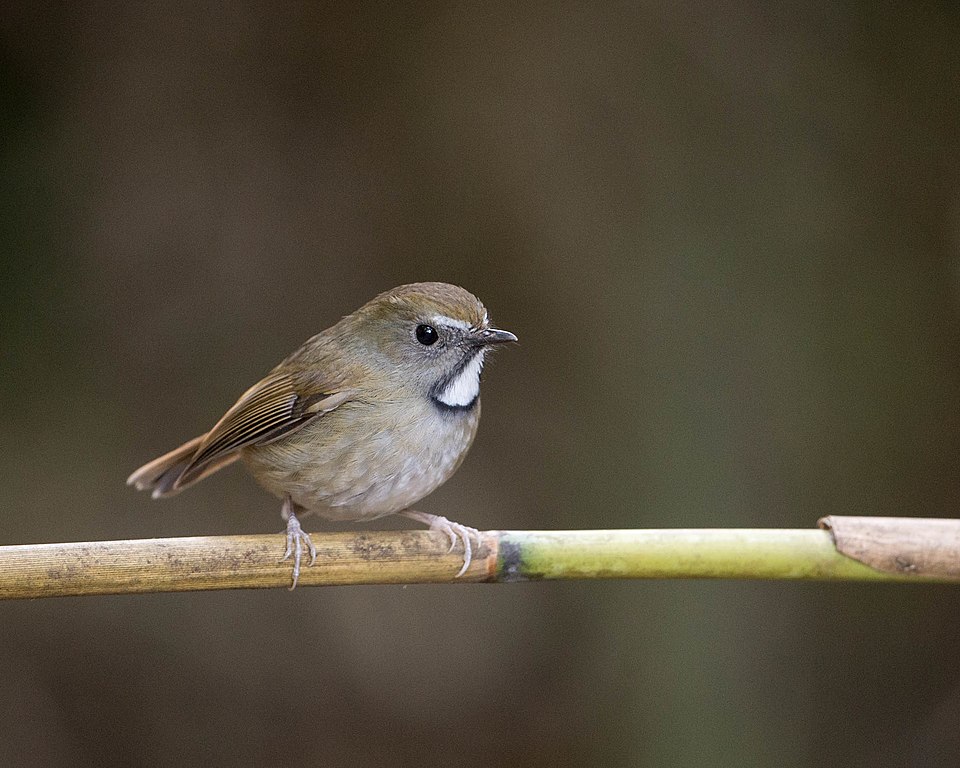
The Palawan Flycatcher stands out with its vibrant rusty-orange plumage, a characteristic feature that aids in its identification. Adult males display a brighter and more saturated orange on the breast and upperparts, contrasting with a paler belly. Females tend to exhibit a slightly duller version of this coloration but maintain the rust-colored charm. Juveniles, on the other hand, often show a more muted brownish tone with less distinct patterns. The bird's compact size and rounded wings contribute to its nimble flight, essential for its insect-catching pursuits. Unlike many other flycatchers, the Palawan Flycatcher features a relatively short tail, a trait that further distinguishes it from similar species within its range. Observers can identify this bird by its distinct silhouette during flight and its characteristic perching posture, often upright with a slight forward tilt. While similar in size and shape to other members of the Muscicapidae family, the orange hue sets the Palawan Flycatcher apart, reducing the possibility of confusion. Its perching behavior often involves quick, darting movements, indicative of its active foraging style.
Having trouble telling birds apart? Upload a photo to our bird identification tool for an instant species match.
Palawan Flycatcher Habitat and Range
Preferred Habitat
The Palawan Flycatcher primarily inhabits the lowland and montane forests of Palawan. It thrives in primary and secondary growth forests, where dense undergrowth and abundant insect life provide optimal conditions. Typically found at elevations ranging from sea level up to 1,000 meters, it occasionally ventures into forest edges and clearings, especially during periods of high insect activity. While the bird prefers dense canopy cover, it has shown some adaptability to degraded habitats, provided that sufficient vegetation remains. Unlike many species, it shows little affinity for urban environments, remaining a denizen of wild and semi-wild areas.
Geographic Range
The Palawan Flycatcher is endemic to the island of Palawan in the Philippines, with its range limited to this specific geographic location. As it does not migrate, the bird remains a year-round resident of the island's forests. Within Palawan, it occupies various forested regions, with population densities varying according to habitat quality and availability. The species favors areas with rich insect populations, which are key to its survival and reproductive success. Although its range is restricted, the bird's presence across different forest types highlights its adaptability to varying ecological conditions within its limited distribution.
Want to know which birds visit your area? Browse our backyard birds by location guides for region-specific species lists.
What Does the Palawan Flycatcher Eat?
The Palawan Flycatcher is primarily insectivorous, with a diet consisting mainly of small insects and arthropods. It employs a sit-and-wait foraging technique, perching quietly before making swift aerial sallies to capture prey. Its agile flight allows it to snatch insects mid-air, while its keen eyesight aids in spotting potential meals. During the wet season, when insect abundance peaks, the bird may expand its diet to include a wider variety of insect types. Conversely, in drier months, it relies on more predictable insect sources. The flycatcher's feeding schedule aligns with periods of peak insect activity, often in the cooler hours of the morning and late afternoon.
Palawan Flycatcher Behavior and Social Structure
The Palawan Flycatcher exhibits solitary tendencies, with individuals often maintaining distinct territories, particularly during the breeding season. Territorial behavior includes vocal displays and physical posturing to ward off intruders. During courtship, males perform elaborate displays, showcasing their vivid plumage and vocal prowess to attract mates. Despite being solitary, the flycatcher may join mixed-species flocks outside the breeding season, enhancing foraging efficiency while reducing predation risks. The bird's daily activity peaks during cooler parts of the day, aligning with insect availability and reducing heat stress. When threatened, it employs evasive maneuvers and seeks refuge in dense foliage, relying on its coloration to blend with the environment.
Palawan Flycatcher Nesting and Reproduction
The Palawan Flycatcher constructs cup-shaped nests using fine plant materials, often positioning them in dense foliage or tree forks to provide concealment. Preferred nesting sites include areas with ample canopy cover to shield against predators and environmental elements. A typical clutch consists of 2-3 eggs, with both parents sharing incubation duties, which last approximately two weeks. Post-hatching, the fledglings remain in the nest for another two weeks before venturing out. Parental roles include feeding and protecting the chicks, with both parents contributing to rearing. The species typically produces one brood per year, though favorable conditions may lead to additional broods.
Palawan Flycatcher Sounds and Vocalizations
The Palawan Flycatcher's song is a melodious series of clear, whistled notes, delivered in a rhythmic pattern. It often begins with a series of short, sharp whistles that gradually increase in pitch and intensity. In contrast, the call notes are soft, metallic 'tik' sounds, used primarily for communication between mates or to signal alarm. During dawn and dusk, the flycatcher participates in a dawn chorus, its song blending with those of other forest-dwelling birds. The alarm call, a rapid series of harsh notes, signals the presence of potential threats, prompting heightened alertness in nearby individuals.
Interesting Facts About the Palawan Flycatcher
- 1The Palawan Flycatcher is one of the few bird species endemic to the island of Palawan, underscoring its ecological uniqueness.
- 2Despite its vibrant appearance, the Palawan Flycatcher can remain remarkably well-camouflaged within its forest habitat, thanks to its rusty-orange plumage.
- 3The Palawan Flycatcher plays a crucial role in controlling insect populations, acting as a natural pest control agent in its forest ecosystem.
- 4Unlike many other flycatchers, the Palawan Flycatcher does not migrate, making it a year-round resident of Palawan's forests.
- 5The species' limited range highlights its vulnerability to habitat changes, emphasizing the importance of conservation efforts on Palawan.
- 6Palawan Flycatchers exhibit strong site fidelity, often returning to the same nesting locations each year.
- 7The bird's song, a series of melodious whistles, is a defining feature used by birdwatchers to locate these elusive forest dwellers.
Palawan Flycatcher Conservation Status
The Palawan Flycatcher holds a Near Threatened status on the IUCN Red List, primarily due to habitat loss from deforestation and land conversion. Although specific population trends are unclear, habitat destruction poses an ongoing threat, reducing suitable living areas. Conservation efforts focus on habitat protection and sustainable land-use practices to preserve the flycatcher's environment. Historical data suggests a stable population in undisturbed areas, but continued deforestation could lead to declines. Protective measures involve establishing conservation areas and promoting awareness of the species' ecological importance.
Other Muscicapidae Species


Birds Similar to the Palawan Flycatcher
These species are often confused with the Palawan Flycatcher due to similar appearance or overlapping range.
