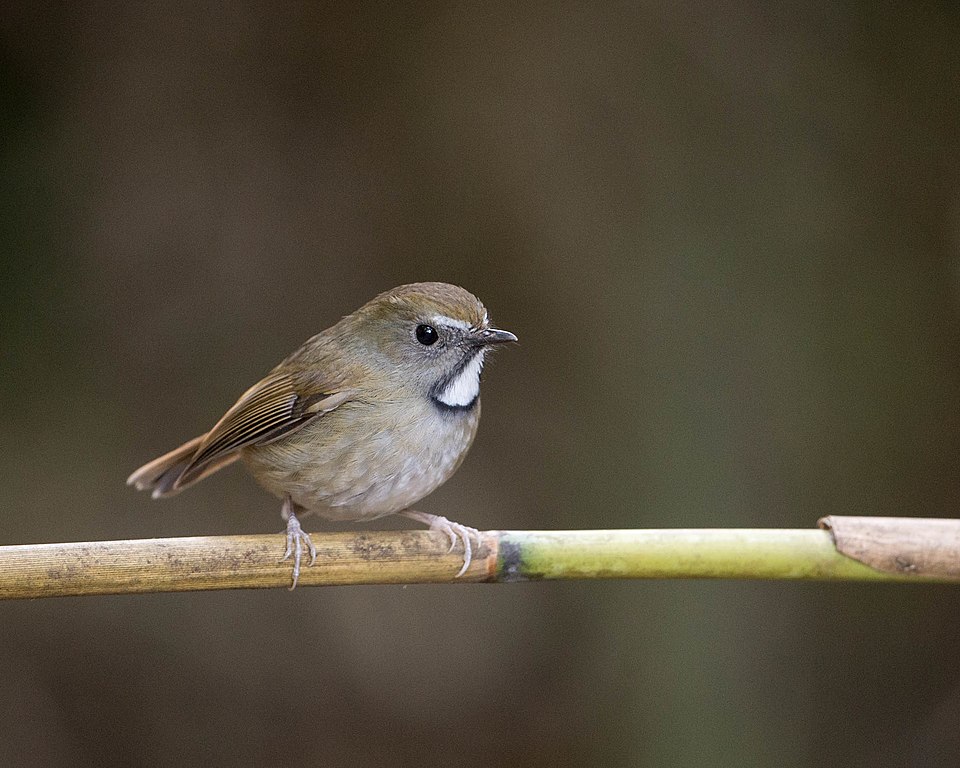
Pied Wheatear
Oenanthe pleschanka
Order: Passeriformes / Family: Muscicapidae
About the Pied Wheatear
The Pied Wheatear (Oenanthe pleschanka) stands out as a remarkable member of the Muscicapidae family, known for its striking black-and-white plumage and agile movements. This small passerine bird inhabits a wide range of environments across Eastern Europe and Asia, including countries such as Bulgaria, Romania, Turkey, and Iran. It thrives in semi-arid regions, including steppes and rocky outcrops, where its ability to adapt to varied climates is evident. The species plays an important ecological role in these habitats by controlling insect populations, thanks to its insectivorous diet.
The Pied Wheatear's presence during the breeding season is particularly notable in regions such as the Ukrainian steppes and the Caucasus Mountains. Here, it exploits the open landscapes, nesting in crevices, and feeding on abundant insect prey. During the non-breeding season, it follows a migratory path to wintering grounds in the northeastern parts of Africa, including Egypt and Sudan. This migration highlights the species' adaptability to different environments, as it traverses diverse geographical zones.
Its ecological role extends beyond pest control. The Pied Wheatear also serves as a valuable indicator of habitat health, as its presence often correlates with insect population levels and environmental conditions. Conservation efforts in regions where the Pied Wheatear breeds and winters are crucial, given its sensitivity to habitat alterations and climate change. Despite these challenges, the bird remains a resilient and captivating presence across its range, offering bird enthusiasts a glimpse into the dynamic, interconnected world of avian life.
The Pied Wheatear belongs to the family Muscicapidae, within the order Passeriformes. These birds typically live average 4-6 years with limited data on maximum lifespan..
How to Identify a Pied Wheatear
The adult Pied Wheatear is easily identified by its distinctive black-and-white plumage. Males display a prominent black facial mask extending from the bill through the eyes, contrasting sharply with their white throat and underparts. The back is a rich, warm brown, complementing the stark black wings and tail. In flight, the bird reveals a white rump, a key feature distinguishing it from similar species.
Females and juveniles exhibit more subdued colors compared to males, with brownish tones replacing the stark black, yet they still maintain the characteristic white underparts and rump. Females typically have a mottled brown appearance on their backs, which can be confused with other wheatear species like the Northern Wheatear. However, the Pied Wheatear's smaller size and more defined markings help differentiate it.
When perched, the Pied Wheatear holds itself upright, often flicking its tail, a behavior that is common among wheatears. Its silhouette in flight is characterized by quick, agile movements, and a tendency to glide short distances between perches. These behaviors, along with vocalizations, aid in field identification, particularly during the breeding season when the males are most active in displaying their plumage.
Having trouble telling birds apart? Upload a photo to our bird identification tool for an instant species match.
Pied Wheatear Habitat and Range
Preferred Habitat
The Pied Wheatear predominantly inhabits semi-arid regions, thriving in environments such as open steppes, rocky outcrops, and dry grasslands. It is frequently found at elevations ranging from sea level up to 2,000 meters, particularly in areas with sparse vegetation and scattered rocks. In Eastern Europe, the bird is commonly seen in the steppes of Ukraine and the semi-desert zones of the Caucasus.
During the breeding season, the Pied Wheatear favors open, rocky landscapes that offer ample insect prey and suitable nesting sites. In contrast, its wintering habitats in northeastern Africa include arid and semi-arid zones, where it continues to exploit open terrains. The species is adaptable to both rural and peri-urban areas, often observed in fields and along the edges of small villages, reflecting its ability to endure human-altered landscapes.
Seasonal shifts in habitat preferences are apparent as the bird migrates, with a tendency to select areas that provide both food resources and protection during its journey. The presence of the Pied Wheatear in various habitats underscores its ecological flexibility, making it a frequent, if sometimes elusive, sight in suitable environments.
Geographic Range
The breeding range of the Pied Wheatear extends across Eastern Europe and into Central Asia, with notable populations in Bulgaria, Romania, Ukraine, and the Caucasus region. The bird breeds in open, rocky terrains, taking advantage of the varied landscapes these regions offer. During the autumn migration, the Pied Wheatear embarks on a southward journey, passing through the Middle East and arriving at its wintering grounds in northeastern Africa, including countries like Egypt and Sudan.
Migration corridors are well-defined, with the bird using stopover sites in Turkey and the Levant to rest and refuel. These areas are crucial for maintaining the bird's energy reserves, as it travels significant distances between its breeding and wintering habitats. The species is known to travel in small flocks during migration, often alongside other wheatear species.
Population density hotspots vary, with higher concentrations observed in the prime breeding areas of the Ukrainian steppes and the Caucasus. During winter, the bird scatters across suitable habitats in its African range, where it is less concentrated but still regularly observed by bird watchers. This extensive range highlights the Pied Wheatear's adaptability to different environments and climates, a key factor in its wide distribution.
Want to know which birds visit your area? Browse our backyard birds by location guides for region-specific species lists.
What Does the Pied Wheatear Eat?
The Pied Wheatear primarily feeds on insects, making it an essential insectivore within its ecosystem. Its diet consists largely of beetles, ants, grasshoppers, and various flying insects, which it catches both on the ground and in mid-air. This varied insect diet ensures the bird's nutritional needs are met across different seasons and habitats.
During the breeding season, the Pied Wheatear increases its feeding activity, taking advantage of the higher abundance of insects in its open, rocky breeding grounds. The bird often employs a sit-and-wait strategy, perching on rocks or shrubs to spot prey before darting down to capture it with precision.
Seasonal diet shifts are evident as the bird migrates to its wintering grounds. In Africa, it continues to rely on insects but may also consume small seeds and berries when insect availability declines. The Pied Wheatear is most active during the cooler parts of the day, such as early mornings and late afternoons, aligning its feeding schedule with the activity patterns of its prey. This diet, combined with its effective foraging techniques, underscores the bird's role in pest control and its adaptability to varying ecosystems.
Pied Wheatear Behavior and Social Structure
The Pied Wheatear exhibits fascinating social and territorial behaviors, particularly during the breeding season. Males establish territories by singing from elevated perches, using their song to attract mates and ward off rivals. This territoriality can lead to occasional skirmishes if other males encroach too closely.
Courtship displays are a spectacle, with males performing aerial acrobatics and displaying their striking plumage to woo females. These displays often involve short flights interspersed with wing fluttering and tail fanning, showcasing the male's physical fitness and vibrancy.
Outside the breeding season, the Pied Wheatear becomes less territorial, often seen in small flocks. This social structure aids in predator detection and increases foraging efficiency. The bird exhibits a typical daily activity pattern, being most active during dawn and dusk when temperatures are cooler and insects are most abundant.
In response to predators, the Pied Wheatear relies on its agility and alertness, often taking flight at the first sign of danger. Its keen eyesight enables it to detect threats from a distance, and its flight is characterized by swift, erratic movements that complicate a predator's pursuit. This combination of social behavior and defensive strategies highlights the Pied Wheatear's adaptability and survival skills.
Pied Wheatear Nesting and Reproduction
The nesting habits of the Pied Wheatear reflect its preference for rocky and open landscapes. Nests are typically built in crevices, rock piles, or abandoned burrows, providing protection from predators and harsh weather. The bird constructs its nest using a variety of materials, including grass, twigs, and feathers, creating a secure and insulated environment for its eggs.
Clutch size ranges from 4 to 6 eggs, with the female taking the primary role in incubation, which lasts about 12 to 14 days. During this period, the male assists by providing food and defending the nesting territory. Once the eggs hatch, both parents participate in feeding the chicks, ensuring a steady supply of insects to meet the growing nutritional demands of their offspring.
Fledging occurs approximately 14 to 16 days after hatching, with the young birds leaving the nest to hone their flying and foraging skills. The parents continue to support their fledglings for a short period, guiding them in food acquisition and predator avoidance. The Pied Wheatear typically raises one brood per year, although favorable conditions may occasionally allow for a second.
Pied Wheatear Sounds and Vocalizations
The Pied Wheatear's song is a lively and varied series of whistles, trills, and chatters, often delivered from an elevated perch. The rhythm is fast-paced, with a mix of clear, melodious notes interspersed with harsher, buzzier sounds. This vocal repertoire serves both in attracting mates and establishing territorial boundaries.
The bird's call notes are sharp and distinctive, often described as a repetitive 'chak-chak' sound, which it uses to communicate with other individuals, particularly during flight or when alarmed. Alarm calls are more abrupt and urgent, serving as warnings to potential threats or intrusions.
The dawn chorus of the Pied Wheatear is a captivating experience, with the bird's energetic song adding a vibrant layer to the morning soundscape. Compared to more familiar birds like the European Robin, the Pied Wheatear's song is more varied and less melodic, yet it remains a charming and characteristic sound of its habitats.
Interesting Facts About the Pied Wheatear
- 1The Pied Wheatear is capable of migrating over 5,000 kilometers from its breeding grounds in Eastern Europe to wintering areas in Africa.
- 2Male Pied Wheatears are known for their elaborate courtship displays, which include intricate flight patterns and vocalizations to attract females.
- 3Despite their small size, Pied Wheatears are highly territorial during the breeding season, often engaging in aggressive displays to defend their nesting sites.
- 4The species' name 'wheatear' derives from 'white' and 'arse,' referring to the distinctive white rump that is visible in flight.
- 5Pied Wheatears have a diverse diet, but during breeding, they consume more than 50% of their diet as beetles and grasshoppers, aiding in pest control.
- 6Pied Wheatears are known to adapt to urban environments, occasionally nesting in building crevices and other man-made structures.
- 7These birds are proficient at catching insects in mid-air, showcasing agility and precision, which are crucial for their survival in open landscapes.
Pied Wheatear Conservation Status
The Pied Wheatear is currently listed as a species of Least Concern by the IUCN, with population trends considered stable. However, habitat loss and degradation pose significant threats, particularly in breeding areas where agricultural expansion and urbanization reduce available habitats. Conservation efforts focus on preserving key habitats and migration corridors, ensuring that the bird's breeding and wintering grounds remain viable. Monitoring programs in Eastern Europe and Central Asia aim to track population changes and assess the impact of environmental changes. Historically, the Pied Wheatear has shown resilience to habitat disturbances, yet ongoing climate change presents new challenges. Continuous efforts to mitigate human impact and protect natural habitats are vital to maintaining stable populations of this captivating species.