
Pileated Finch
Coryphospingus pileatus
Order: Passeriformes / Family: Thraupidae
Wikimedia Commons
About the Pileated Finch
The Pileated Finch, scientifically known as Coryphospingus pileatus, is a small yet striking bird of the Thraupidae family. This species captivates bird enthusiasts with its vivid red cap and contrasting grayish body. Found predominantly in South America, the Pileated Finch inhabits countries such as Brazil, Argentina, Paraguay, and Bolivia. Its presence in diverse environments, from semi-open forests to shrublands, highlights its adaptability and ecological significance.
In its native habitat, the Pileated Finch plays an integral role in seed dispersal and insect population control. By feasting on seeds and insects, it helps maintain the ecological balance of its surroundings. During the breeding season, which typically occurs from September to January depending on the region, these finches exhibit territorial behaviors, establishing clear boundaries to protect nesting sites. Outside of the breeding season, they may form small flocks, further emphasizing their adaptability to changing conditions.
The Pileated Finch's ecological role extends to various habitats such as gallery forests, savannas, and scrublands. In these settings, they can be observed foraging for food, often in the early morning or late afternoon when temperatures are cooler. Their resilience in adapting to different habitats, including urban areas, underscores their importance in both natural and human-altered environments. As a species, the Pileated Finch contributes to the biodiversity and ecological health of the regions it inhabits.
The Pileated Finch belongs to the family Thraupidae, within the order Passeriformes. These birds typically live averages 3-5 years, with some individuals living up to 7 years in the wild..
How to Identify a Pileated Finch
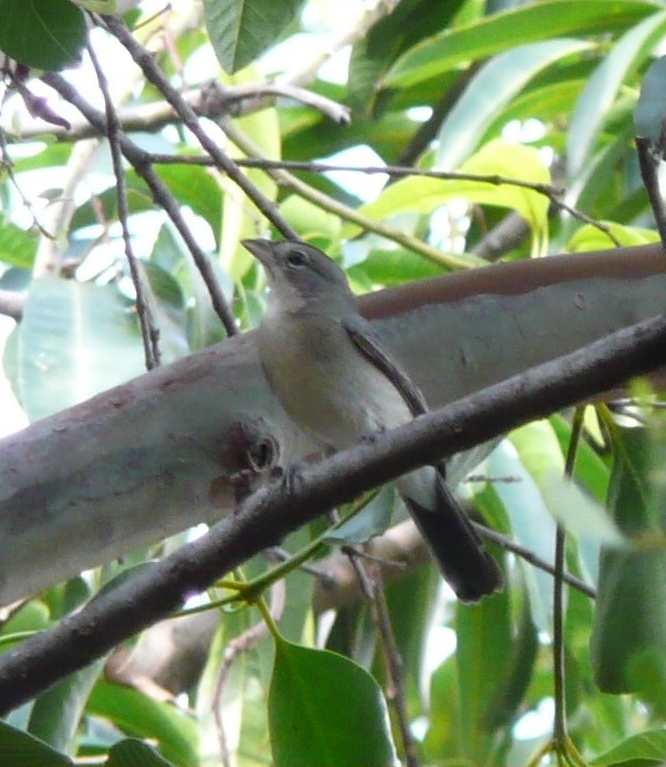
The Pileated Finch is easily recognizable by its vivid red cap, which is its most distinguishing feature. Adult males exhibit a bright red crown, contrasting with their gray-brown back and lighter underparts. The females, while similar in size, lack the prominent red cap and instead have a more subdued reddish-brown hue on their crown, blending with their body coloration. Juveniles resemble females but with even duller tones.
In terms of size, the Pileated Finch measures approximately 13 cm in length. Its stout, conical bill is well-suited for its seed-based diet. While perched, this finch maintains an upright posture, often flicking its tail slightly, a behavior that aids in its identification. In flight, the Pileated Finch displays a rapid, undulating pattern, similar to other small passerines.
When observing Pileated Finches in the field, birders should note the absence of any distinctive wing bars or eye rings, which helps differentiate them from similar species such as the Red-crested Finch. Their song, a series of clear, melodious notes, further aids in identification, especially during the breeding season when males are more vocal.
Having trouble telling birds apart? Upload a photo to our bird identification tool for an instant species match.
Pileated Finch Habitat and Range
Preferred Habitat
The Pileated Finch thrives in a variety of habitats across its range. It is commonly found in semi-open environments such as scrublands, savannas, and edge habitats of gallery forests. These areas provide ample food resources and nesting sites, key to their survival. In terms of elevation, they are predominantly observed in lowland areas, though they can occasionally be found in foothills and lower montane regions.
Seasonal habitat shifts are minimal for the Pileated Finch, as it is largely a resident species. However, during the breeding season, they may seek denser vegetation for nesting. While primarily rural in distribution, they are also known to adapt to suburban environments, often frequenting gardens and orchards where food is abundant.
In urban areas, the Pileated Finch is less common but can still be found in parks and green spaces, where they utilize hedges and small trees for shelter and foraging. Their presence in both cultivated and natural settings demonstrates their adaptability and contributes to their widespread distribution.
Geographic Range
The Pileated Finch's range extends across several South American countries, including Brazil, Argentina, Paraguay, and Bolivia. Within these nations, they occupy diverse habitats from the Cerrado savannas of Brazil to the Chaco woodlands of Argentina and Paraguay. They are non-migratory, maintaining a year-round presence in these regions.
In Brazil, the finch is particularly prevalent in the southeastern and central parts, where the mix of savanna and forest provides ideal conditions. Paraguay and Bolivia also host significant populations, especially in areas where semi-open habitats dominate the landscape. Argentina's northern regions are home to stable populations of Pileated Finches, with notable densities in the Chaco province.
While the Pileated Finch is not considered migratory, localized movements within their range may occur in response to food availability or environmental conditions. This mobility ensures they can exploit various resources, helping maintain stable populations across their range.
Want to know which birds visit your area? Browse our backyard birds by location guides for region-specific species lists.
What Does the Pileated Finch Eat?
The Pileated Finch primarily feeds on seeds, which form the bulk of its diet. It favors seeds of grasses and shrubs, often foraging on the ground or in low vegetation. During the breeding season, insects such as beetles and caterpillars become a crucial part of their diet, providing essential protein for developing chicks.
Seasonal changes influence the Pileated Finch's diet. In the wet season, when insects are abundant, they readily consume these protein-rich prey items. Conversely, in the dry season, seeds become more prominent in their diet, although they will continue to exploit any available insects. Their foraging technique involves gleaning from the ground or low plants, demonstrating their adaptability in food gathering.
The Pileated Finch typically forages during cooler periods of the day, such as early morning and late afternoon. This schedule allows them to avoid the heat of midday while still accessing a variety of food sources. Their dietary habits reflect their ecological role as both seed dispersers and insect controllers, maintaining balance within their habitats.
Pileated Finch Behavior and Social Structure
The Pileated Finch exhibits a range of behaviors that reflect its adaptability and social nature. During the breeding season, which varies slightly across its range but generally occurs from September to January, males become particularly territorial. They establish and defend territories through vocal displays and occasional physical confrontations with rival males.
Courtship involves males singing to attract females, showcasing their vocal prowess. Once paired, the finches remain monogamous for the season, working together to raise their young. Outside of the breeding season, Pileated Finches often form small, loose flocks, foraging together for increased efficiency and protection against predators.
Their response to predators includes alarm calls and evasive flight, relying on dense vegetation for cover. Daily activity peaks in the early morning and late afternoon, aligning with their foraging schedule. This pattern minimizes exposure to predators and harsh weather conditions, further illustrating their behavioral adaptability.
Pileated Finch Nesting and Reproduction
Pileated Finches construct cup-shaped nests, typically positioned in dense shrubs or low trees, providing camouflage and protection from predators. The nests are made from a combination of grasses, twigs, and other plant materials, lined with finer vegetation to ensure comfort for the eggs and nestlings.
The typical clutch size for the Pileated Finch ranges from two to three eggs. Both parents share responsibilities during the incubation period, which lasts approximately 12 to 14 days. Once hatched, the young remain in the nest for about 12 days before fledging. Parental care continues post-fledging, with both adults feeding and protecting the young until they become independent.
Pileated Finches generally produce one to two broods per year, depending on environmental conditions and food availability. Their nesting success is influenced by factors such as habitat quality and predation pressure, making suitable nesting sites crucial for their reproductive success.
Pileated Finch Sounds and Vocalizations
The Pileated Finch's primary song is a series of clear, melodious notes that rise and fall in pitch. This song serves as both a territorial marker and a courtship display, predominantly delivered by males during the breeding season. Their call notes are sharp and distinctive, often used to communicate with mates or signal alarm.
Alarm calls are higher-pitched and more rapid, serving as a warning to other finches of nearby threats. During the dawn chorus, the Pileated Finch's song contributes to the avian symphony, its clear notes cutting through the morning air.
The Pileated Finch's vocal repertoire is versatile, aiding in identification and providing insight into its behavior and social interactions.
Interesting Facts About the Pileated Finch
- 1The Pileated Finch's red cap is more vibrant in males than females, serving as a visual cue during courtship.
- 2Despite being non-migratory, Pileated Finches may travel locally in search of food, showcasing their adaptability.
- 3Pileated Finches can be found in both natural and urban environments, demonstrating their ecological flexibility.
- 4Their nests, often hidden in dense shrubs, are crafted from a variety of plant materials, ensuring both warmth and concealment.
- 5The Pileated Finch's song is a key element in establishing territory and attracting mates during the breeding season.
- 6Their diet shifts seasonally, with insects becoming a crucial food source during the breeding season to support chick development.
- 7The Pileated Finch's ability to thrive in altered landscapes highlights its resilience and adaptability in changing environments.
Pileated Finch Conservation Status
The Pileated Finch holds a conservation status of Least Concern according to the IUCN. Its population trend appears stable, with no significant declines reported across its range. However, habitat loss due to agricultural expansion and deforestation poses potential threats, particularly in regions undergoing rapid development. Conservation efforts focus on habitat preservation and sustainable land use practices that maintain the diverse environments the Pileated Finch depends on. Historical population data indicate that while some local populations have fluctuated, overall numbers remain steady. The resilience of the Pileated Finch in adapting to various habitats, including altered landscapes, contributes to its relative security. Continued monitoring and habitat protection are essential to ensure this species remains a vibrant part of South America's avifauna.


