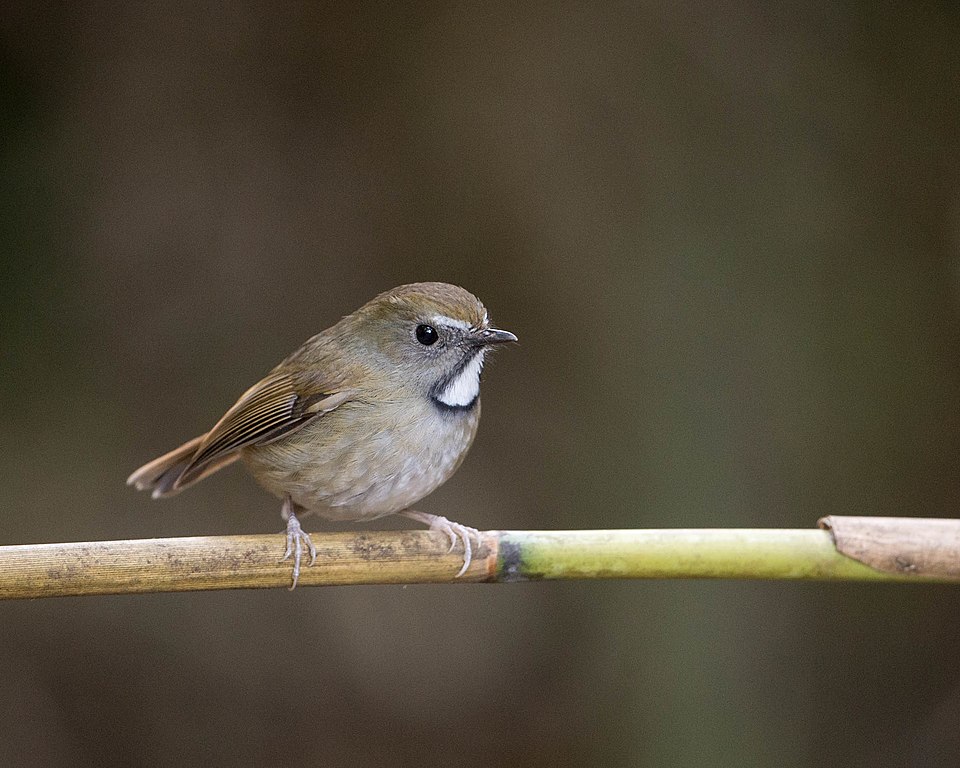
Rück's Blue Flycatcher
Cyornis ruckii
Order: Passeriformes / Family: Muscicapidae

Wikimedia Commons
About the Rück's Blue Flycatcher
Rück's Blue Flycatcher, Cyornis ruckii, is a captivating songbird belonging to the family Muscicapidae, order Passeriformes. This flycatcher is primarily found in the lowland and montane forests of Sumatra and possibly other parts of Indonesia. Its presence in dense, humid forests makes it an elusive species, often observed flitting through the undergrowth or perched unobtrusively on low branches. These birds play a crucial ecological role as insect predators, aiding in controlling insect populations and maintaining forest health. The species is particularly intriguing due to its limited distribution and the challenges it faces from habitat destruction, making it a subject of interest for conservationists and bird enthusiasts alike.
Rück's Blue Flycatcher boasts a rich blue coloration that sets it apart from other avian species within its habitat. This vibrant plumage not only serves as an identification marker but also plays a role in mate attraction and territorial defense. The males, in particular, display a more intense blue, which is believed to be a factor in sexual selection. Despite its vibrant appearance, the bird's behavior tends to be discreet, often heard more than seen, which adds an element of mystery to its allure.
Ecologically, Rück's Blue Flycatcher contributes significantly to the biodiversity of its native regions. By preying on insects, it helps to balance the ecosystem, ensuring that no single insect species dominates. This balance is crucial for the health of the forest environment, affecting everything from plant pollination to the population dynamics of other animal species. The flycatcher's seasonal behaviors, including its breeding and foraging patterns, align with the cyclical availability of its food sources, showcasing a remarkable adaptation to its environment. The species' ability to thrive in primary and secondary forests highlights its ecological versatility, though it remains susceptible to the pressures of deforestation and habitat fragmentation.
The Rück's Blue Flycatcher belongs to the family Muscicapidae, within the order Passeriformes. These birds typically live Unknown due to the scarcity of data..
How to Identify a Rück's Blue Flycatcher
Rück's Blue Flycatcher is best recognized by its brilliant blue plumage, which covers the head, back, and tail. The underparts of this bird are lighter, often presenting a whitish or pale gray tone. Males exhibit a more vivid blue than females, who tend to have slightly duller hues. Juveniles, on the other hand, show a more subdued blue with speckled or mottled patterns on their wings, aiding in camouflage.
This species may be confused with other blue flycatchers found within its range, such as the Blue-and-white Flycatcher, but Rück's Blue Flycatcher has a more pronounced blue and distinctive vocalizations that set it apart. In flight, the bird displays a compact silhouette, characterized by swift, agile movements. When perched, it maintains an upright posture, often on lookout for insects.
Critical identification features include a relatively short tail and wings designed for quick, maneuverable flight. The bird's size is modest, with a body length averaging around 14 to 16 centimeters, making it a medium-sized flycatcher within its habitat. Observers should also note its eye-catching blue plumage, which serves as its most distinctive field mark.
Having trouble telling birds apart? Upload a photo to our bird identification tool for an instant species match.
Rück's Blue Flycatcher Habitat and Range
Preferred Habitat
Rück's Blue Flycatcher inhabits lowland and montane forests, flourishing in environments that offer dense foliage and abundant insect life. These birds prefer the humid, tropical conditions of Sumatra's primary and secondary forests, although they have been observed in selectively logged areas, indicating some adaptability. Typically found at elevations ranging from sea level up to 1,500 meters, they thrive in areas with ample cover.
Seasonal shifts may influence their habitat choice, with movements observed in response to food availability and climatic conditions. While primarily forest dwellers, Rück's Blue Flycatchers do not often venture into urban areas, remaining largely within rural and forested regions where human disturbance is minimal.
Their preference for undisturbed habitats underscores the importance of forest conservation in their survival. Logging and land conversion pose significant threats, highlighting the need for habitat protection to preserve these birds and their ecosystem.
Geographic Range
The range of Rück's Blue Flycatcher is restricted, primarily to the island of Sumatra in Indonesia. Within this region, they occupy lowland and montane forests, with occasional sightings suggesting potential, albeit unconfirmed, presence in neighboring areas. As a resident species, they do not undertake long migrations but may exhibit local movements in response to seasonal food availability.
The bird's population density is highest in areas of undisturbed forest, where conditions remain optimal for their survival. These hotspots of density are critical for their breeding success and overall population stability. Unfortunately, habitat fragmentation has limited their range, confining them to more isolated forest patches.
The flycatcher's narrow distribution makes it particularly vulnerable to environmental changes and underscores the importance of targeted conservation efforts within its limited geographic range. Protecting these key habitats is essential for maintaining viable populations.
Want to know which birds visit your area? Browse our backyard birds by location guides for region-specific species lists.
What Does the Rück's Blue Flycatcher Eat?
Rück's Blue Flycatcher primarily feeds on insects, which it captures through agile sallies from perches. The bird's diet consists of a variety of arthropods, including beetles, flies, and caterpillars. During the breeding season, the demand for protein-rich prey increases, prompting more frequent foraging and extended hunting periods.
The flycatcher employs a sit-and-wait strategy, perching quietly before darting out to snatch its prey mid-air or from foliage. This method allows for efficient energy use and maximizes capture success. During periods of food abundance, they may forage in small family groups, although solitary hunting is more typical.
Seasonal variations in insect populations can affect dietary choices, with occasional shifts to include small fruits or seeds when insects are scarce. However, Rück's Blue Flycatcher's diet remains predominantly insectivorous, highlighting its role as a critical predator in its forest ecosystem.
Rück's Blue Flycatcher Behavior and Social Structure
Rück's Blue Flycatcher exhibits a territorial and somewhat solitary nature, especially during the breeding season. Males establish territories through song and visual displays, often engaging in vocal duels or physical confrontations to ward off rivals. The bird's melodious song serves as a primary means of communication, both for attracting mates and defending territory.
Courtship involves a series of intricate displays, including wing flicking and aerial acrobatics, designed to impress potential mates. Once paired, these birds engage in cooperative behaviors, with both parents participating in nest building and chick rearing.
Daily activity peaks in the early morning and late afternoon, coinciding with periods of increased insect activity. Rück's Blue Flycatchers are generally non-flocking, although loose associations can form during non-breeding months when feeding opportunities arise. In response to predators, they utilize alarm calls and evasive flight to maintain safety, often seeking refuge in dense vegetation.
Rück's Blue Flycatcher Nesting and Reproduction
Rück's Blue Flycatcher constructs cup-shaped nests, typically situated in the fork of a tree or shrub, concealed by foliage. The nest is composed of twigs, moss, and leaves, providing camouflage and insulation. Preferred nesting sites are within dense forest, where humidity and temperature are favorable for egg incubation.
Clutch sizes range from two to four eggs, with an incubation period of approximately 14 to 16 days. Both parents share incubation duties, ensuring constant warmth and protection for the developing embryos. After hatching, the chicks are altricial, requiring intensive care and feeding from both parents.
Fledging occurs around two weeks post-hatching, with chicks developing rapidly under the attentive care of their parents. Typically, Rück's Blue Flycatchers raise one brood per year, although in optimal conditions, a second brood may be attempted. This reproductive strategy underscores the importance of stable environmental conditions for successful breeding.
Rück's Blue Flycatcher Sounds and Vocalizations
Rück's Blue Flycatcher is known for its melodious song, a series of clear, flute-like notes delivered with a rhythmic cadence. The primary song serves both territorial and mating purposes, echoing through the forest canopy to establish presence. In addition to its song, the flycatcher emits sharp call notes and alarm calls, notably higher-pitched, serving as warnings to intruders or predators.
During the dawn chorus, their song contributes to the symphony of the forest, marking the day's beginning with a vibrant display of vocal prowess. The flycatcher's sound repertoire, though not as varied as some species, is distinct in its clarity and musical quality, reminiscent of a woodwind instrument in its tonal purity.
Interesting Facts About the Rück's Blue Flycatcher
- 1Rück's Blue Flycatcher was first described in 1917, making it a relatively recent discovery among avian species.
- 2The bird's name honors the German ornithologist Hans Rück, who was instrumental in its early study.
- 3Despite its vibrant coloration, Rück's Blue Flycatcher often remains hidden in dense foliage, making it a challenging bird to observe.
- 4The flycatcher's song can be heard over a kilometer away in dense forest, a testament to its vocal strength.
- 5Rück's Blue Flycatcher is a non-migratory species, spending its entire life within the forests of Sumatra.
- 6The species is monogamous, with pairs often remaining together for multiple breeding seasons.
- 7Observations of Rück's Blue Flycatcher in degraded habitats indicate some resilience and adaptability.
Rück's Blue Flycatcher Conservation Status
Rück's Blue Flycatcher currently holds a status that raises conservation concerns, primarily due to habitat loss and degradation within its limited range. Deforestation for agriculture and logging poses the greatest threat, reducing available habitat and fragmenting populations. Population trends indicate a decline, necessitating targeted conservation efforts. Efforts to protect this species focus on habitat preservation and restoration, with initiatives aimed at safeguarding critical forest areas. Historical population changes reflect the broader environmental challenges facing Indonesia's forests, highlighting the need for sustainable land management practices. Conservationists advocate for increased awareness and protection measures to ensure the survival of Rück's Blue Flycatcher, emphasizing its ecological importance and the role it plays in maintaining forest health.