
Red-breasted Flycatcher
Ficedula parva
Order: Passeriformes / Family: Muscicapidae

Wikimedia Commons
About the Red-breasted Flycatcher
The Red-breasted Flycatcher, Ficedula parva, is an engaging small passerine bird belonging to the Muscicapidae family. This species, notable for its vibrant red throat in males, primarily inhabits deciduous and mixed woodlands across Europe and parts of Asia. Its presence stretches from the dense forests of Scandinavia down to the temperate woods of the Himalayas. During the breeding season, it plays a crucial role in controlling insect populations, including beetles and caterpillars, which are particularly abundant in these forests. The flycatcher's ecological role is significant as it helps maintain the balance within its habitat, serving as both predator and prey in its ecosystem. The bird's behavior shifts with the seasons, migrating to southern and southeastern Asia during the winter months. This seasonal movement is essential for its survival, allowing it to exploit different ecological niches throughout the year. While its European breeding grounds are well-documented, the bird's wintering habitats in India and other parts of Asia are equally important, providing rich feeding grounds free from the harsh northern winters. The Red-breasted Flycatcher's adaptability to different environments, from the rural woodlands of Poland to the subtropical forests of India, underscores its versatility and resilience. Its presence in these diverse habitats highlights the interconnectedness of global ecosystems, as it migrates thousands of kilometers annually. Observing this bird offers insights into the complexities of migratory patterns, as well as the broader implications of habitat conservation in both breeding and wintering areas.
The Red-breasted Flycatcher belongs to the family Muscicapidae, within the order Passeriformes. These birds typically live typically 3-5 years, but some may live longer under favorable conditions..
How to Identify a Red-breasted Flycatcher
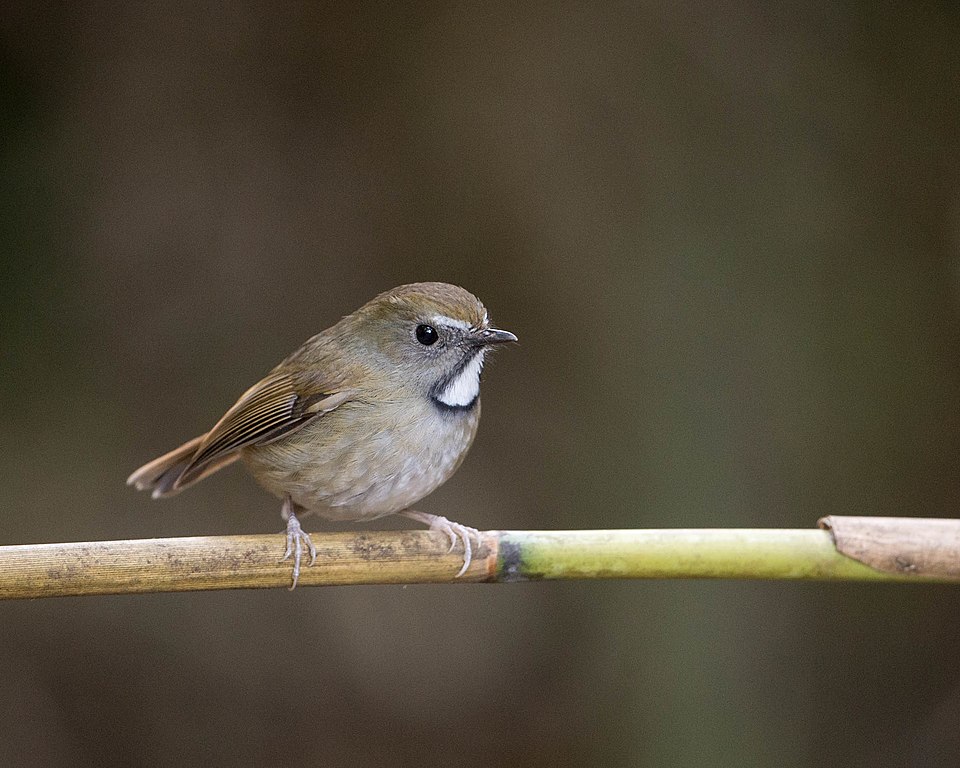
The Red-breasted Flycatcher is most easily identified by the male's striking red throat patch, a feature that stands out against its otherwise muted gray-brown upperparts and white underparts. Females and juveniles lack the vivid red coloration, instead exhibiting a more subdued appearance with paler throats and overall brownish tones. Both sexes have a distinct white eyering, which can aid in identification. The bird is small, measuring about 11-12 cm in length with a wingspan of 18-21 cm, placing it firmly in the small bird category. In flight, the Red-breasted Flycatcher displays a quick, agile movement, often darting through trees in pursuit of insects. Its perching posture is upright, often on a low branch or twig, where it can survey for prey. Confusion might arise with other flycatchers, such as the Collared Flycatcher, but the Red-breasted Flycatcher's lack of a black and white collar pattern helps distinguish it. Its song, a soft melodic warble, also serves as an auditory clue for identification.
Having trouble telling birds apart? Upload a photo to our bird identification tool for an instant species match.
Red-breasted Flycatcher Habitat and Range
Preferred Habitat
The Red-breasted Flycatcher predominantly inhabits deciduous and mixed woodlands, favoring areas with dense undergrowth and mature trees. These environments provide ample insect prey and suitable nesting sites. In Europe, this bird can often be found in ancient forests, such as the Białowieża Forest in Poland, where it thrives in the rich biodiversity. During migration and wintering periods, it occupies a range of habitats, including subtropical forests and wooded areas in southern Asia. The bird tends to avoid urban areas, preferring the tranquility and resources of rural and forested landscapes. Elevation-wise, it is commonly found from lowland areas up to 2000 meters in the Himalayan foothills during its winter migration.
Geographic Range
The Red-breasted Flycatcher breeds across a broad swath of Europe and western Asia, with key populations in countries like Poland, Russia, and Estonia. Its range extends eastward into the Ural Mountains and south to the Caucasus. During the non-breeding season, it migrates to southern Asia, wintering in India, Bangladesh, and parts of Southeast Asia, including Myanmar and Thailand. Migration corridors are well-established, with birds traveling along routes that take them through Turkey, Iran, and the Middle East. Population density is highest in the primeval European forests, where the availability of suitable habitats supports larger breeding populations.
Want to know which birds visit your area? Browse our backyard birds by location guides for region-specific species lists.
What Does the Red-breasted Flycatcher Eat?
The Red-breasted Flycatcher primarily feeds on insects, making it a valuable predator in controlling pest populations. Its diet includes a variety of beetles, caterpillars, and flies. During the breeding season, it increases its insect consumption to meet the nutritional demands of raising young. In winter, its diet expands to include some fruits and berries, taking advantage of the seasonal abundance. The bird employs a sallying foraging technique, characterized by short flights from a perch to capture prey mid-air or from leaves. It often forages alone, though it may join mixed-species flocks in its winter range, capitalizing on the different foraging strategies of other birds.
Red-breasted Flycatcher Behavior and Social Structure
The Red-breasted Flycatcher exhibits territorial behavior during the breeding season, with males actively defending their chosen areas through song and displays. Courtship involves the male singing persistently, showcasing his vibrant red throat to attract a mate. Once paired, the birds remain monogamous for the season. Outside the breeding period, the flycatcher becomes more social, often seen in loose flocks during migration and winter. This social behavior aids in predator detection and enhances foraging success. Its daily activity peaks at dawn and dusk when insects are most active, aligning its foraging times with prey availability. When threatened, it emits a sharp 'chack' call, alerting nearby birds to potential danger.
Red-breasted Flycatcher Nesting and Reproduction
The Red-breasted Flycatcher constructs cup-shaped nests using grass, moss, and spider webs, typically within tree cavities or on branches. The female primarily builds the nest, choosing locations that offer protection from predators and weather elements. Clutch sizes range from 4 to 6 eggs, which are incubated for about 12 to 14 days. Both parents partake in feeding the chicks, which fledge approximately 13 to 15 days after hatching. The species may produce two broods per year, depending on environmental conditions and food availability. Nesting success heavily relies on habitat integrity, highlighting the importance of mature forests for breeding.
Red-breasted Flycatcher Sounds and Vocalizations
The Red-breasted Flycatcher's song is a soft, melodic warble, often delivered from a high perch. It is a series of sweet, clear notes, with a rhythm that can be likened to a gentle flute melody. This song plays a crucial role in territorial defense and mate attraction. Its call note is a sharp 'chack' sound, used in alarm situations. During the dawn chorus, its song is particularly prominent, adding a harmonious quality to the morning soundscape of the forest. This vocalization is distinctive among the flycatchers, making it a useful identification tool for birders.
Interesting Facts About the Red-breasted Flycatcher
- 1The Red-breasted Flycatcher can migrate over 3,000 kilometers between its breeding and wintering grounds.
- 2Males develop the iconic red throat patch after their first year; juveniles and females lack this vibrant feature.
- 3Despite its small size, the Red-breasted Flycatcher can consume up to 1,000 insects in a single day during peak feeding times.
- 4Its song, a series of sweet notes, can be heard up to 200 meters away, making it a key component in territory establishment.
- 5The species was first described in 1764, highlighting its long-standing recognition in ornithology.
- 6It often uses abandoned woodpecker holes or natural cavities for nesting, showcasing its resourcefulness.
- 7During winter, the Red-breasted Flycatcher may join mixed-species flocks, benefiting from collective vigilance against predators.
Red-breasted Flycatcher Conservation Status
The Red-breasted Flycatcher is classified as Least Concern by the IUCN, with a stable population trend. However, habitat loss due to deforestation in both breeding and wintering areas poses a potential threat. Conservation efforts focus on preserving mature forest habitats and protecting migratory corridors. Historical data suggest the population has remained relatively stable, aided by its adaptability to changing environments. Ongoing international conservation initiatives aim to mitigate the impact of habitat fragmentation and ensure the flycatcher's continued survival across its range.
Other Muscicapidae Species


Birds Similar to the Red-breasted Flycatcher
These species are often confused with the Red-breasted Flycatcher due to similar appearance or overlapping range.
