
Rhinomyias additus
Rhinomyias additus
Order: Passeriformes / Family: Muscicapidae

Wikimedia Commons
About the Rhinomyias additus
Rhinomyias additus, commonly referred to as the Palawan Flycatcher, is a small passerine bird that inhabits the dense, montane forests of the Philippines, specifically Palawan Island. This bird is a member of the Muscicapidae family, which includes a variety of flycatchers known for their agile hunting techniques and vocal abilities. The Palawan Flycatcher plays a significant ecological role as both a predator of insects and a prey species for larger birds. Its presence in the forest ecosystem indicates a healthy population of invertebrates, which are crucial for nutrient cycling in these habitats.
The Palawan Flycatcher prefers subtropical or tropical moist lowland forests, but it is also found in montane forests at elevations typically ranging from 400 to 1000 meters. These birds are well-adapted to the dense underbrush and secondary growth, which provide ample cover and food resources. Rhinomyias additus is particularly important for controlling insect populations, thus maintaining the ecological balance within its range.
During the breeding season, which coincides with the rainy season, the bird is more vocal and visible as it defends its territory and attracts mates. Outside the breeding season, the Palawan Flycatcher becomes more elusive, blending into its environment with its muted brown and gray plumage. Despite its small size, the bird's role in seed dispersal through its diet helps sustain forest regeneration. Its adaptability to changing forest conditions highlights its ecological significance and resilience.
The Rhinomyias additus belongs to the family Muscicapidae, within the order Passeriformes. These birds typically live average 4-6 years with a max recorded of 8 years..
How to Identify a Rhinomyias additus
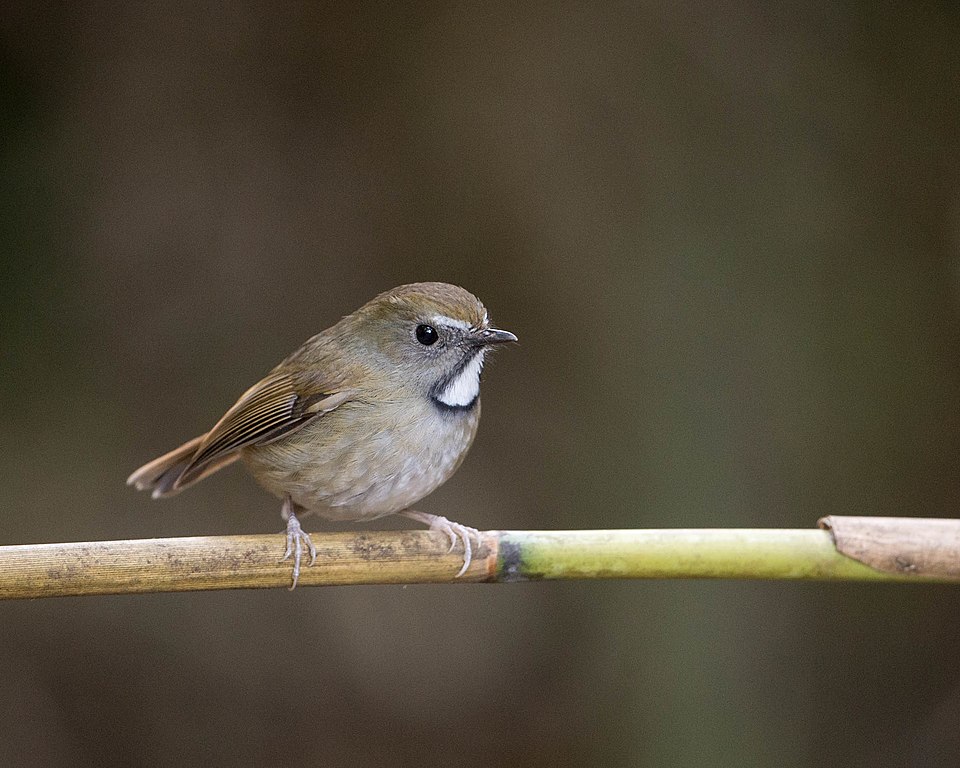
The Palawan Flycatcher, or Rhinomyias additus, exhibits a modest yet distinctive appearance, making it identifiable for keen observers. Adult birds feature a predominantly brown upper body with subtle grayish underparts, which provide excellent camouflage among the forest foliage. The wings possess faint streaks of a darker brown, and their tails are relatively short with rounded tips, a characteristic common within the Muscicapidae family.
In terms of sexual dimorphism, there is little difference between males and females, both sharing the same overall coloration and plumage pattern. Juvenile birds, however, tend to display a slightly mottled appearance, with lighter speckles on their chests and backs, which fade as they mature. This plumage can lead to confusion with other small flycatchers, but the Palawan Flycatcher's distinct vocalizations often aid in correct identification.
In flight, Rhinomyias additus presents a compact silhouette, with rapid wing beats that are typical of small forest-dwelling birds. When perched, it maintains a horizontal posture, often flicking its tail in a characteristic manner as it surveys its surroundings for insects. This bird's subtle plumage can sometimes make it challenging to spot unless it moves or sings.
Having trouble telling birds apart? Upload a photo to our bird identification tool for an instant species match.
Rhinomyias additus Habitat and Range
Preferred Habitat
Rhinomyias additus primarily inhabits the dense montane and lowland forests of Palawan Island in the Philippines. These forests, rich in biodiversity, provide the ideal conditions for the bird's survival, including ample insect prey and thick vegetation for nesting. The Palawan Flycatcher favors elevations between 400 and 1000 meters, where the climate is humid and the foliage is dense enough to offer protection from predators.
The bird shows a preference for secondary growth forests, which often results from recovering logged areas. This adaptability allows Rhinomyias additus to thrive in areas that have experienced some degree of human impact. Despite its resilience, the species does not typically venture into urban areas or heavily modified landscapes, preferring the seclusion and resources of its native forest habitat.
Seasonal shifts in habitat use are minimal due to the stable climate within its range, but during the breeding season, the bird may move slightly to denser areas to take advantage of the increased insect activity associated with the wet season.
Geographic Range
The Palawan Flycatcher is endemic to the island of Palawan in the Philippines, where it occupies a relatively narrow geographic range. As a resident species, Rhinomyias additus does not migrate, maintaining its presence in the montane and lowland forests throughout the year.
The bird's population appears to be densest in undisturbed and secondary growth forest areas, where the availability of food and nesting sites is abundant. While the species is not widely distributed across the Philippines, its localized presence on Palawan makes it a unique member of the island's avian community.
Conservation efforts on Palawan have focused on preserving the remaining forest habitats to protect species like the Palawan Flycatcher. The bird's restricted range makes it particularly susceptible to habitat loss, but current population estimates suggest that it remains relatively stable, provided that forest conservation continues.
Want to know which birds visit your area? Browse our backyard birds by location guides for region-specific species lists.
What Does the Rhinomyias additus Eat?
The diet of the Palawan Flycatcher, Rhinomyias additus, primarily consists of various insects and arthropods, which it adeptly captures using a technique known as 'hawking.' This involves the bird perching silently and scanning the surrounding foliage for movement before darting out to snatch its prey mid-air or from the surface of leaves.
During the wet season, the abundance of insects increases, allowing the Palawan Flycatcher to consume a greater variety and quantity of prey. Beetles, flies, and small caterpillars form a significant part of its diet, supplemented occasionally with small fruits and seeds, particularly when insect populations dwindle during drier periods.
Foraging typically occurs during the early morning and late afternoon, aligning with the peak activity periods of many insect species. This schedule maximizes the bird's foraging efficiency and energy intake, crucial for its survival and reproductive success.
Rhinomyias additus Behavior and Social Structure
The Palawan Flycatcher, Rhinomyias additus, exhibits a largely solitary lifestyle, with individuals maintaining distinct territories, especially during the breeding season. Males become highly vocal and maintain a more visible presence to attract mates and deter rival males from encroaching on their territory. The bird's song, a series of melodious whistles, serves as both a mating call and a territorial warning.
Outside the breeding season, Rhinomyias additus may form loose associations with other small insectivorous birds, taking advantage of mixed-species foraging flocks to enhance feeding efficiency and reduce predation risk. Despite their solitary nature, these birds exhibit a form of social structure that benefits from occasional cooperation.
In their response to predators, Palawan Flycatchers rely on their cryptic plumage and evasive flight to avoid detection. When threatened, they emit sharp, high-pitched alarm calls to alert other birds of the potential danger. Their daily activity patterns are influenced by the availability of food, with active periods occurring during the cooler parts of the day.
Rhinomyias additus Nesting and Reproduction
Rhinomyias additus builds its nest in the dense, often inaccessible underbrush of Palawan's montane forests. The nest is typically cup-shaped and constructed from a variety of organic materials, including twigs, leaves, and moss, which provide camouflage and insulation.
Nesting sites are usually selected with great care, often positioned on branches or shrubs at heights of 1 to 3 meters above the ground. This elevation offers protection from ground predators and environmental hazards such as flooding. The Palawan Flycatcher lays a clutch of 2 to 4 eggs, which are incubated primarily by the female for a period of approximately 14 to 16 days.
Once hatched, the altricial chicks are fed by both parents, who diligently provide a diet rich in protein to support rapid growth. The young fledge after about 14 days in the nest, although they remain dependent on their parents for food and protection for some time thereafter. Typically, the species produces one brood per year, timed with the peak availability of food resources during the rainy season.
Rhinomyias additus Sounds and Vocalizations
Rhinomyias additus is known for its distinctive vocalizations, which serve as both a mating call and a territorial signal. The primary song consists of a series of melodious whistles, each note delivered with a clear, flute-like quality. These whistles vary in pitch and rhythm, creating a complex and beautiful melody that resonates through the forest canopy.
Besides their primary song, Palawan Flycatchers also produce a range of call notes, including short, sharp chirps used during social interactions or as contact calls between mates. Alarm calls are more abrupt and high-pitched, designed to alert other birds of potential threats.
During the dawn chorus, Rhinomyias additus becomes particularly vocal, using the early morning quiet to broadcast their song over long distances. This behavior not only reinforces territory boundaries but also synchronizes mating activities among the population.
Interesting Facts About the Rhinomyias additus
- 1The Palawan Flycatcher is one of only a few bird species endemic to Palawan Island, highlighting the island's unique biodiversity.
- 2Rhinomyias additus can be surprisingly elusive despite its vocal presence, blending seamlessly into the dense forest foliage.
- 3During the breeding season, the Palawan Flycatcher becomes more territorial and aggressive in defending its patch of forest.
- 4The bird's diet switches seasonally, adapting to the availability of insects and fruits, showcasing its ecological flexibility.
- 5Unlike many flycatchers, Rhinomyias additus does not migrate, making it a year-round resident of Palawan's forested regions.
- 6Its song, a series of melodious whistles, can be heard echoing through the forests, particularly during the breeding season.
- 7The Palawan Flycatcher plays a crucial role in controlling insect populations, acting as a natural pest regulator in its habitat.
Rhinomyias additus Conservation Status
The IUCN currently lists the Palawan Flycatcher as Least Concern, but its status could change rapidly if habitat destruction continues. The primary threat to Rhinomyias additus is habitat loss due to logging and agricultural expansion on Palawan Island. Conservation efforts are crucial to preserving the montane and lowland forests that this species depends on. Monitoring programs have been established to track population trends and ensure that conservation measures are effective. Efforts to halt deforestation and promote sustainable land use practices in Palawan are vital for maintaining the ecological balance and safeguarding species like the Palawan Flycatcher. Historical population data suggest that while the species has experienced some decline, ongoing conservation initiatives have stabilized its numbers. Continued habitat protection and restoration will be essential to prevent further decline.
Other Muscicapidae Species


Birds Similar to the Rhinomyias additus
These species are often confused with the Rhinomyias additus due to similar appearance or overlapping range.
