
Rodrigues Blue-Pigeon
Alectroenas payandeei
Order: Columbiformes / Family: Columbidae
Wikimedia Commons
About the Rodrigues Blue-Pigeon
The Rodrigues Blue-Pigeon, or Alectroenas payandeei, is a unique member of the Columbidae family that once graced the islands of the Indian Ocean. Its striking appearance, marked by a rich blue body and contrasting red tail, made it a remarkable sight in its native habitat. The species historically inhabited the island of Rodrigues, part of the Mascarene Islands. This island's lush forests provided an ideal environment for the pigeon, offering ample food sources and shelter. As a frugivore, the Rodrigues Blue-Pigeon played a crucial role in the ecosystem by aiding in seed dispersal, which helped maintain the health of its forest habitat. Seasonally, the Rodrigues Blue-Pigeon showed little migratory behavior, remaining within the island's forests year-round. Its presence was a staple of the island's avian community, and its absence today signifies a notable loss in biodiversity. The ecological niche it filled remains vacant, highlighting the vital roles that even single species can play within their environments. The Rodrigues Blue-Pigeon serves as a poignant reminder of the fragility of island ecosystems and the broader importance of conservation efforts to protect similar vulnerable species across the globe.
The Rodrigues Blue-Pigeon belongs to the family Columbidae, within the order Columbiformes. These birds typically live Unknown due to extinction..
How to Identify a Rodrigues Blue-Pigeon
The Rodrigues Blue-Pigeon is most distinguished by its vibrant blue plumage, which covers the majority of its body. Its head features a slightly lighter blue, creating a subtle contrast with the deeper hues of its back and wings. One of the pigeon’s most striking features is its red tail, which provides a vivid contrast to its otherwise blue appearance. In terms of size, the Rodrigues Blue-Pigeon was medium-sized, measuring around 30 cm in length. Males and females were similar in appearance, although males slightly larger on average. Juveniles bore a resemblance to adults but had more muted colors, with a less pronounced red on the tail. In flight, the pigeon displayed a distinctive silhouette with broad wings and a rounded tail. While perched, it exhibited an upright posture, often in the higher branches of trees. The combination of its unique coloration and size made the Rodrigues Blue-Pigeon relatively easy to identify within its range, though it did not have any closely related species within its immediate environment that could lead to confusion.
Having trouble telling birds apart? Upload a photo to our bird identification tool for an instant species match.
Rodrigues Blue-Pigeon Habitat and Range
Preferred Habitat
The Rodrigues Blue-Pigeon exclusively inhabited the dense forests of Rodrigues Island. These forests, characterized by their rich diversity of tree species, provided an abundance of fruits essential to the pigeon's diet. The island's forests existed primarily at lower elevations, as the island itself is not mountainous. Despite its small size, Rodrigues Island offered varied microhabitats, yet the pigeon showed a clear preference for areas with dense tree cover. There is no evidence that the Rodrigues Blue-Pigeon ventured extensively into urban areas, largely due to the limited human settlement on the island during its time. Seasonal changes had little impact on the pigeon's habitat preferences, as the island's climate remained relatively stable throughout the year. The species' reliance on forest habitats underscores the importance of forest conservation in protecting similar island species.
Geographic Range
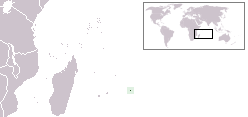
Historically, the range of the Rodrigues Blue-Pigeon was confined to Rodrigues Island in the Indian Ocean. The island, part of the Mascarene archipelago, was its sole breeding and residential area. Unlike many other pigeon species, the Rodrigues Blue-Pigeon did not exhibit migratory behavior and remained on the island year-round. Its distribution across the island was likely influenced by the availability of forested areas, which were more prevalent in the island's interior rather than on the coastal fringes. Population density hotspots would have been areas with particularly abundant food sources and suitable nesting sites. Sadly, the species no longer exists, but its historical range serves as a case study for the importance of preserving island ecosystems.
Want to know which birds visit your area? Browse our backyard birds by location guides for region-specific species lists.
What Does the Rodrigues Blue-Pigeon Eat?
The diet of the Rodrigues Blue-Pigeon primarily consisted of fruits, making it a frugivore. Its feeding habits played a crucial role in seed dispersal, thus contributing to the maintenance of its forest habitat. It favored a variety of native fruits that were seasonally available. During periods of fruit abundance, the pigeon would spend several hours each day foraging in the canopy. The bird employed a methodical foraging technique, moving from branch to branch in search of ripe fruits. Occasionally, it may have consumed leaves or small insects, although these were not significant components of its diet. The size of the prey or food was generally small, matching the pigeon’s medium size. The species likely fed throughout the day, with peaks during the early morning and late afternoon when the temperatures were cooler.
Rodrigues Blue-Pigeon Behavior and Social Structure
The Rodrigues Blue-Pigeon exhibited a social structure typical of many pigeon species, often found in small flocks or pairs. Its territorial behavior was evident during the breeding season, with males fiercely defending their chosen nesting areas. Courtship displays involved a series of cooing calls and ruffled feather displays by the male. These behaviors served to attract mates and establish pair bonds. Outside of the breeding season, the pigeons could be seen feeding together in groups, which provided safety in numbers against potential predators. In response to threats, the pigeons would take flight quickly, heading for the safety of the dense canopy. Daily activity patterns were largely diurnal, with the pigeons being most active during the cooler parts of the day. Despite its extinction, the behavioral patterns of the Rodrigues Blue-Pigeon provide valuable insights into the life of island-dwelling pigeons.
Rodrigues Blue-Pigeon Nesting and Reproduction
The nesting habits of the Rodrigues Blue-Pigeon were consistent with other pigeons, involving the construction of a simple platform nest made from twigs and leaves. These nests were typically situated in the forks of trees, high off the ground to avoid predators. A typical clutch consisted of a single egg, which both parents incubated over a period of approximately 18 to 20 days. After hatching, the parents continued to play active roles, feeding the chick with regurgitated food. The fledging period lasted about four weeks, during which time the young pigeon developed the skills necessary for independent survival. The nesting cycle was completed once or twice a year, depending on environmental conditions and food availability. The cooperative parenting strategy of the Rodrigues Blue-Pigeon ensured a higher survival rate for the offspring.
Rodrigues Blue-Pigeon Sounds and Vocalizations
The primary song of the Rodrigues Blue-Pigeon was a series of soft coos, rhythmic and soothing, often described as a gentle murmur. These vocalizations were used during courtship and as a means of communication between mates. The call notes were soft and subtle, differing little from the song in terms of pitch and quality. Alarm calls were sharper and more urgent, a clear indicator of potential threats. During the dawn chorus, the pigeon's song would blend harmoniously with other forest sounds, adding to the serene morning atmosphere. The melodic quality of the song, though lost to time, is often compared to the familiar cooing of other pigeon species.
Interesting Facts About the Rodrigues Blue-Pigeon
- 1The Rodrigues Blue-Pigeon was endemic to Rodrigues Island, making it a unique species with no close relatives on nearby islands.
- 2Its vibrant blue plumage was not only striking but also served as camouflage within the dappled light of the forest canopy.
- 3The extinction of the Rodrigues Blue-Pigeon was first recorded in the late 19th century, a loss attributed to human impact.
- 4Unlike many pigeons, the Rodrigues Blue-Pigeon showed no migratory behavior, remaining on its home island year-round.
- 5The species played a vital ecological role as a seed disperser, helping maintain the forest ecosystem of Rodrigues Island.
- 6The Rodrigues Blue-Pigeon was described in historical accounts as having a gentle and melodious cooing song.
- 7Preservation of the Rodrigues Blue-Pigeon's habitat could have supported its survival, highlighting the importance of early conservation.
Rodrigues Blue-Pigeon Conservation Status
The Rodrigues Blue-Pigeon is classified as extinct by the IUCN. The primary cause of its decline was habitat destruction, particularly following the arrival of humans on Rodrigues Island. The introduction of non-native species, such as rats and cats, also contributed to its extinction, as these predators preyed on eggs and young birds. Historical population records indicate a gradual decline following human colonization, with the species disappearing entirely by the late 19th century. Conservation efforts today focus on the preservation of habitats and the protection of remaining endemic species on Rodrigues Island. The story of the Rodrigues Blue-Pigeon serves as a critical reminder of the impact of human activities on isolated ecosystems.


