
Rufous-bellied Heron
Ardeola rufiventris
Order: Pelecaniformes / Family: Ardeidae
Wikimedia Commons
About the Rufous-bellied Heron
The Rufous-bellied Heron, or Ardeola rufiventris, is a medium-sized bird belonging to the family Ardeidae, known for its distinctive rufous-colored underparts. This heron is primarily found in the wetlands of sub-Saharan Africa, a region where it thrives due to its specialized adaptations. With an average length of 38-40 cm, it is relatively small compared to other heron species, yet it plays a significant role in its ecosystem.
In its natural habitat, the Rufous-bellied Heron is a crucial player in the food web, helping control insect and small vertebrate populations. Its presence indicates healthy wetland systems, which are vital for biodiversity. These herons are often seen in freshwater marshes, swamps, and along the edges of lakes and rivers. They are most abundant in countries like Zambia, Botswana, and Zimbabwe, where such habitats are prevalent.
Seasonally, the Rufous-bellied Heron exhibits interesting behavior patterns. During the rainy season, it may disperse to flooded grasslands and temporary wetlands, taking advantage of increased food availability. This movement is crucial for their breeding success, as it synchronizes with the abundance of prey, thereby ensuring food for their offspring. The Rufous-bellied Heron's ecological role extends beyond mere predation; it contributes to the nutrient cycle within these aquatic environments, impacting plant growth and water quality.
The significance of the Rufous-bellied Heron extends to cultural aspects as well. In various African communities, its presence is revered, often seen as a symbol of the health of the wetlands and the broader environment. Conservation efforts focused on this species highlight the importance of preserving wetland habitats, which are under threat from human activities such as agriculture and urbanization.
The Rufous-bellied Heron belongs to the family Ardeidae, within the order Pelecaniformes. These birds typically live 7-10 years..
How to Identify a Rufous-bellied Heron
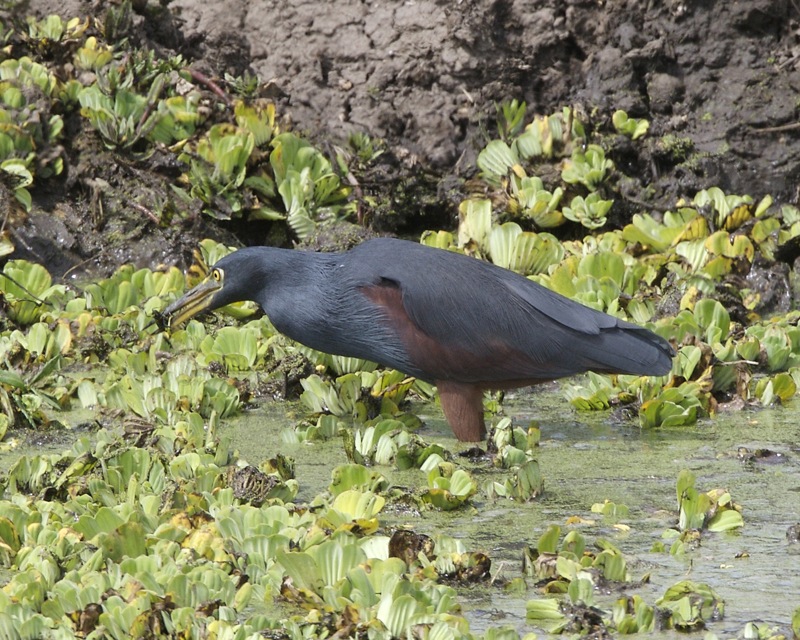
The Rufous-bellied Heron is unmistakably identified by its rufous belly and vent, which contrast with its otherwise predominantly dark plumage. Adults possess a slate-gray to blackish back and wings, while their head and neck are marked with streaks of white and dark brown. Unlike many herons, the Rufous-bellied Heron exhibits minimal sexual dimorphism, meaning males and females look quite similar.
Juvenile Rufous-bellied Herons, however, differ from adults by having a more mottled appearance, with less vivid rufous coloring and more brownish tones on their underparts. This camouflage is essential for their survival, as it helps them blend into their marshy surroundings until they mature. In flight, this heron displays a compact silhouette, with its neck retracted and legs trailing straight behind, similar to other species in the Ardeola genus.
Confusion may arise with similar species such as the Squacco Heron, but the Rufous-bellied Heron's distinctive underparts make it easier to distinguish. Additionally, when perched, their short, stocky build and the way they hunch their necks give them a unique posture. Observers should note the Rufous-bellied Heron's behavior, as it often stands motionless in shallow water, waiting to ambush prey.
Having trouble telling birds apart? Upload a photo to our bird identification tool for an instant species match.
Rufous-bellied Heron Habitat and Range
Preferred Habitat
The Rufous-bellied Heron predominantly inhabits freshwater wetlands, including marshes, swamps, and the fringes of lakes and rivers. It prefers shallow waters with abundant vegetation such as reeds and sedges, which provide both cover and foraging opportunities. These habitats are typically found at low to moderate elevations, although the species can occasionally be seen at higher altitudes in optimal conditions.
During the rainy season, the heron may venture into flooded grasslands and temporary wetlands. This seasonal habitat shift is driven by the availability of food resources, as these areas become teeming with insects and small aquatic animals. Rufous-bellied Herons are more commonly found in rural and less disturbed areas, as they tend to avoid urban environments where habitat destruction and pollution pose significant threats.
Unlike some heron species that adapt well to man-made wetlands, the Rufous-bellied Heron is more selective, typically requiring pristine or minimally altered habitats. Conservation of these wetland areas is crucial for their survival, as they do not frequently utilize urbanized landscapes.
Geographic Range
The Rufous-bellied Heron is distributed across sub-Saharan Africa, with its range extending from West Africa to the eastern regions. It is notably present in countries such as Botswana, Zambia, Zimbabwe, and parts of South Africa. While it does not undertake long migrations like some heron species, it may exhibit local movements in response to seasonal changes in water levels and food availability.
In regions like the Okavango Delta in Botswana and the Kafue Flats in Zambia, Rufous-bellied Herons are particularly abundant due to the extensive wetland habitats available. These areas serve as critical breeding grounds, supporting significant populations of the species. During the dry season, the herons may concentrate around permanent water sources, where they remain relatively sedentary until conditions improve.
The Rufous-bellied Heron's range does not extend into the northernmost or southernmost parts of Africa, as it prefers the subtropical and tropical climates prevalent in the central regions of the continent. Understanding their range dynamics is essential for conservation planning, particularly in light of changing climate patterns and habitat loss.
Want to know which birds visit your area? Browse our backyard birds by location guides for region-specific species lists.
What Does the Rufous-bellied Heron Eat?
The Rufous-bellied Heron primarily feeds on a diet consisting of small fish, insects, amphibians, and crustaceans. Its foraging technique is characterized by stealth and patience, often standing motionless in shallow water before striking swiftly at unsuspecting prey. This ambush strategy is quite effective in their preferred dense, vegetated environments.
Seasonal changes influence their diet, with a higher intake of insects and amphibians during the rainy season when these prey items are more abundant. Conversely, in drier periods, the Rufous-bellied Heron may rely more heavily on fish, which can be more challenging to catch as water levels recede and prey becomes more concentrated.
Prey size varies but typically includes small fish up to 5 cm in length and insects such as beetles and dragonflies. This heron is primarily diurnal, feeding actively during daylight hours with peaks in activity during early morning and late afternoon. This feeding schedule aligns with the cooler parts of the day and coincides with the peak activity times of many of their prey species.
Rufous-bellied Heron Behavior and Social Structure
Rufous-bellied Herons are generally solitary birds, although they can sometimes be observed in loose flocks, especially when food is abundant. They exhibit territorial behavior, particularly during the breeding season, when males defend prime nesting sites from rivals. Territorial disputes are often resolved through displays and vocalizations rather than physical confrontations.
Courtship displays are an integral part of their breeding behavior, with males showcasing their plumage and performing a series of calls and postures to attract females. Once paired, they form monogamous relationships for the duration of the breeding season.
In terms of daily activity, the Rufous-bellied Heron is most active during dawn and dusk, taking advantage of low light conditions to stalk prey. When faced with predators, they rely on their cryptic plumage and stillness to avoid detection, but they will take flight if threatened at close range. Their flight is direct and purposeful, often low over the water, with slow, deliberate wingbeats.
Social structure outside the breeding season is more relaxed, with individuals showing less aggression towards one another. This change in behavior facilitates the formation of feeding flocks, which can be advantageous in locating and exploiting food sources.
Rufous-bellied Heron Nesting and Reproduction
The Rufous-bellied Heron builds its nest in dense vegetation, usually over water, to protect against predators and provide easy access to feeding areas. Nests are constructed from reeds, twigs, and other plant materials, forming a platform that can support multiple eggs.
Typically, a clutch consists of 3 to 5 eggs, with both parents sharing incubation duties over a period of approximately 20 to 25 days. After hatching, the chicks remain in the nest, cared for by both parents who bring food and protect them from potential threats.
Fledging occurs around 30 to 35 days after hatching, though young herons may continue to depend on their parents for food and protection for several weeks thereafter. The Rufous-bellied Heron usually raises one brood per breeding season, although in areas with abundant resources, a second brood may be attempted.
Nesting success is closely tied to the availability of suitable habitat, emphasizing the need for conservation of wetland areas to ensure the continued survival of this species.
Rufous-bellied Heron Sounds and Vocalizations
The Rufous-bellied Heron is not particularly vocal, but it does produce a series of low, guttural calls, especially during the breeding season. These calls can be described as repetitive 'kraak-kraak' sounds that serve to establish territory and attract mates.
Outside the breeding season, the heron is relatively quiet, with occasional alarm calls when disturbed. These alarm calls are sharper and more abrupt, designed to warn off potential predators or alert other herons to danger.
During the dawn chorus, Rufous-bellied Herons may join other wetland birds in a symphony of calls, though they remain one of the more subdued contributors. Their calls lack the melodic quality of songbirds but are distinctive enough to be recognized by experienced birders familiar with wetland environments.
Interesting Facts About the Rufous-bellied Heron
- 1The Rufous-bellied Heron's distinctive rufous belly helps it blend into the sunset hues of its wetland habitat, a natural form of camouflage.
- 2During the breeding season, Rufous-bellied Herons build nests that can be up to 30 cm in diameter, providing a stable platform for their eggs.
- 3Despite their solitary nature, Rufous-bellied Herons can form feeding flocks of up to 20 individuals in areas rich in resources.
- 4The Rufous-bellied Heron has been observed using its feet to stir up the water, a technique that flushes out hidden prey.
- 5Rufous-bellied Heron chicks are capable of swimming short distances when they accidentally fall from the nest, a rare ability among herons.
Rufous-bellied Heron Conservation Status
The Rufous-bellied Heron is currently categorized as Least Concern by the IUCN, with stable population trends in much of its range. However, habitat loss due to agriculture, urbanization, and climate change poses significant threats to its long-term survival. Conservation efforts focus on preserving wetland habitats, which are essential for the heron's breeding and foraging. Protected areas like national parks and wildlife reserves play a crucial role in maintaining suitable environments for the Rufous-bellied Heron. Historically, the species has been resilient, but ongoing monitoring is necessary to ensure it remains stable. Community-based conservation projects in key habitats help raise awareness of the importance of wetland ecosystems, benefiting not only the Rufous-bellied Heron but also countless other species that share its habitat.


