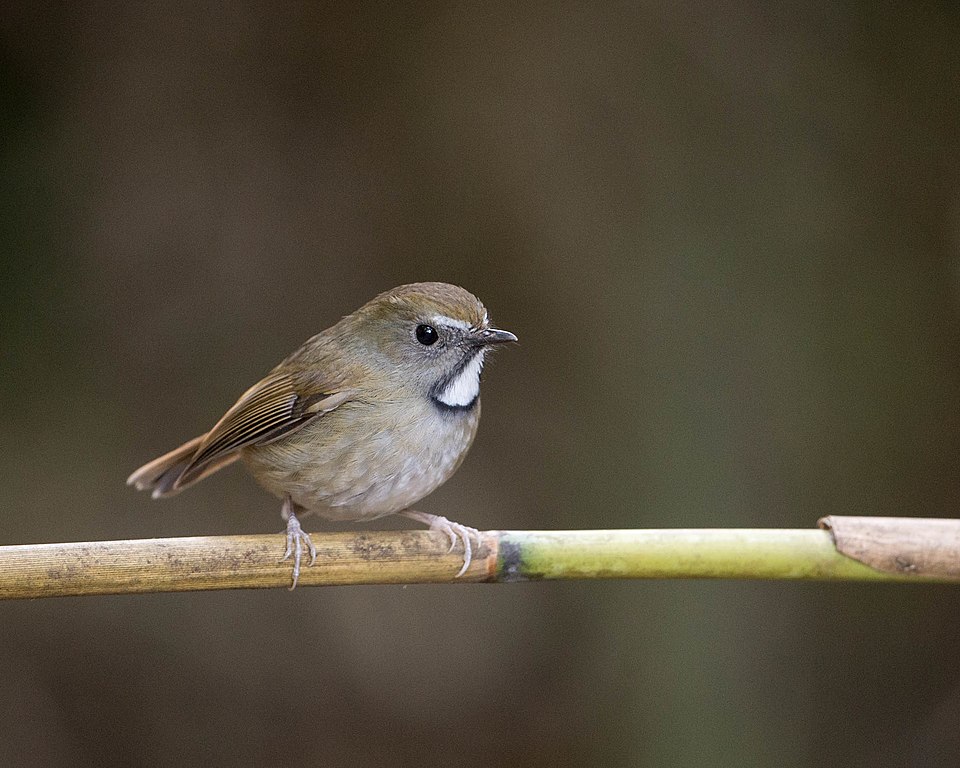
Rufous-tailed Rock-Thrush
Monticola saxatilis
Order: Passeriformes / Family: Muscicapidae

Wikimedia Commons
About the Rufous-tailed Rock-Thrush
The Rufous-tailed Rock-Thrush (Monticola saxatilis) is a captivating bird belonging to the Muscicapidae family. It is admired for its vibrant plumage and elusive nature, often found in rocky and mountainous regions across southern Europe, Central Asia, and parts of Africa. These birds primarily inhabit alpine meadows, rocky slopes, and cliffs, where their striking coloration provides effective camouflage against predators. This species plays a significant ecological role as both a predator and prey within its habitat.
During the breeding season, which spans from April to August, the Rufous-tailed Rock-Thrush can be observed in higher altitudes, from 1000 to 3000 meters, showcasing remarkable adaptability to rugged terrains. The males, with their brilliant blue heads, backs, and rufous tails, become most conspicuous during courtship displays, when they sing melodiously to attract mates. Females, less vibrant but equally intriguing, assist in selecting suitable nesting sites, typically in rock crevices or among dense ground cover.
As the seasons change, this species embarks on a migratory journey, traveling towards sub-Saharan Africa for the winter months. The Rufous-tailed Rock-Thrush is a key species within its ecosystem, contributing to seed dispersal and insect population control. Its presence indicates healthy, undisturbed habitats, making it a valuable indicator species for conservationists monitoring environmental changes. The Rufous-tailed Rock-Thrush contributes to the biodiversity of the regions it inhabits, offering birdwatchers and naturalists a glimpse into the complex web of life within these mountainous landscapes.
The Rufous-tailed Rock-Thrush belongs to the family Muscicapidae, within the order Passeriformes. These birds typically live average 5-7 years, with a maximum recorded of 10 years..
How to Identify a Rufous-tailed Rock-Thrush
Adult male Rufous-tailed Rock-Thrushes are unmistakable with their vivid blue heads, backs, and rufous-orange underparts and tails. Their wings are predominantly gray with black tips, adding to their striking appearance. Females and juveniles are more subdued, displaying a mottled brown plumage that provides excellent camouflage against rocky backgrounds. This dimorphism assists females in remaining inconspicuous while nesting.
One can distinguish the Rufous-tailed Rock-Thrush from similar species by observing the contrasting coloration and habitat preferences. Unlike the Blue Rock-Thrush, which prefers lower rocky outcrops, the Rufous-tailed variety favors higher elevations. In flight, this species exhibits a distinctive silhouette with its slightly rounded wings and square tail. When perched, they often adopt an upright posture, which is characteristic of rock-thrushes.
Both sexes and juveniles retain the species' hallmark rufous tail, which is especially visible during flight. This feature, coupled with their melodic song, aids birders in identifying them even when they are partially obscured by terrain. The Rufous-tailed Rock-Thrush's plumage and behavior, particularly during the breeding season, make it a fascinating subject for observation.
Having trouble telling birds apart? Upload a photo to our bird identification tool for an instant species match.
Rufous-tailed Rock-Thrush Habitat and Range
Preferred Habitat
The Rufous-tailed Rock-Thrush occupies rocky mountainous habitats, favoring alpine meadows and cliffs. These birds thrive at elevations ranging from 1000 to 3000 meters, particularly in regions such as the Pyrenees, Alps, and the Caucasus. Such habitats provide ample foraging opportunities and nesting sites concealed within rock crevices or dense vegetation.
During breeding, they prefer open areas with scattered rocks and sparse vegetation, which offer both visibility and protection. In winter, these birds migrate to sub-Saharan Africa, settling in semi-arid regions with similar rocky landscapes. While they are primarily associated with rural and mountainous environments, they occasionally venture into human-altered landscapes, such as quarries and abandoned buildings, provided these locations offer similar habitat features.
Their affinity for high-altitude environments means they rarely encounter urban settings. However, during migration, they may temporarily occupy more varied habitats, including grasslands and scrublands, as they traverse vast distances.
Geographic Range
The Rufous-tailed Rock-Thrush breeds across a vast range stretching from southern Europe to Central Asia. Key breeding countries include Spain, France, Italy, Greece, Turkey, and parts of Russia. These birds favor mountainous regions, such as the Pyrenees, Alps, and Caucasus, where they can exploit the rocky landscapes for nesting and foraging.
In winter, the Rufous-tailed Rock-Thrush migrates southward, traveling significant distances to reach its primary wintering grounds in sub-Saharan Africa. Countries such as Mali, Senegal, and Nigeria host these birds during the colder months. Migration corridors span across the Mediterranean, with stopover points in places like North Africa and the Middle East, including Egypt and Israel.
Population density is highest in areas with a combination of suitable climatic conditions and habitat availability. During migration, sightings are more sporadic, depending on the availability of food and roosting sites. Despite this extensive range, localized populations can fluctuate, often impacted by environmental factors such as changes in land use and climate.
Want to know which birds visit your area? Browse our backyard birds by location guides for region-specific species lists.
What Does the Rufous-tailed Rock-Thrush Eat?
The Rufous-tailed Rock-Thrush primarily feeds on insects and other invertebrates, which form the bulk of its diet during the breeding season. This includes beetles, ants, caterpillars, and grasshoppers, which are abundant in their mountainous habitats. These birds employ a sit-and-wait hunting technique, often perching on a high vantage point and swooping down to capture prey.
In addition to insects, this species also consumes small fruits and berries, particularly in the late summer and autumn when fruit becomes more available. This dietary shift is crucial as they prepare for migration, providing necessary energy reserves for their long journey.
Feeding typically occurs during daylight hours, with peak activity in the early morning and late afternoon. The Rufous-tailed Rock-Thrush's foraging strategy is highly adaptable, allowing it to exploit various food sources according to seasonal availability and habitat conditions. During winter months in Africa, their diet remains insect-centric, although the specific prey may vary depending on local abundance.
Rufous-tailed Rock-Thrush Behavior and Social Structure
The Rufous-tailed Rock-Thrush exhibits fascinating behaviors, particularly during the breeding season. Males establish territories by singing complex, melodious songs from prominent perches, announcing their presence and warding off rivals. These territorial displays are complemented by visual demonstrations, where the male exhibits its vibrant plumage.
Socially, the Rufous-tailed Rock-Thrush is primarily solitary or found in pairs during the breeding season. However, during migration and in wintering grounds, they may congregate in loose flocks, especially in areas with abundant food resources. This flocking behavior reduces the risk of predation by increasing vigilance among the group members.
In response to predators, this species employs a variety of tactics, including evasive flights and seeking cover among rocks. These birds are diurnal, with activity peaks during the cooler parts of the day, aligning with insect activity. Their daily routine involves periods of foraging, resting, and preening, maintaining their plumage in peak condition for both insulation and display.
Rufous-tailed Rock-Thrush Nesting and Reproduction
Rufous-tailed Rock-Thrushes exhibit an intriguingly adaptive nesting behavior, often choosing rock crevices, ledges, or abandoned structures for nest sites. The nest, constructed primarily by the female, is a cup-shaped structure made from grasses, moss, and feathers, providing insulation and camouflage.
The typical clutch size ranges from 4 to 6 eggs, which are pale blue with reddish speckles. Both parents engage in incubation, which lasts approximately 13 to 15 days. After hatching, the chicks remain in the nest for about 14 to 16 days before fledging.
Parental care is a joint effort, with both male and female participating in feeding the chicks. The availability of food resources plays a crucial role in determining the number of broods per year, with most pairs raising only one brood annually, although a second brood may occur if conditions are favorable. The choice of nest site and the materials used contribute significantly to the survival and success of the offspring, protecting them from predators and harsh weather.
Rufous-tailed Rock-Thrush Sounds and Vocalizations
The song of the Rufous-tailed Rock-Thrush is a beautiful, melodious series of fluted notes, often delivered from a high perch. The rhythm is varied, combining both high and low pitches, creating a rich, warbling quality that is both captivating and distinctive. This song is most frequently heard during the breeding season as males declare territories and attract mates.
In addition to their primary song, these birds produce a variety of call notes, including a sharp "chack" used as an alarm call when predators approach. This call is sharp and abrupt, serving as an effective alert to nearby conspecifics. At dawn, their song often contributes to the avian chorus, blending seamlessly with the sounds of other mountain-dwelling species.
The Rufous-tailed Rock-Thrush's vocalizations play a crucial role in communication and social interaction, with each sound serving a specific purpose, from courtship to territory defense. Their songs are easily distinguishable from those of other rock-thrushes, providing a reliable auditory cue for identification.
Interesting Facts About the Rufous-tailed Rock-Thrush
- 1The Rufous-tailed Rock-Thrush can travel over 3000 kilometers during its migratory journey between Europe and Africa.
- 2Males use their vibrant blue plumage and melodious songs to attract females, showcasing one of nature's finest displays of courtship.
- 3This species can be found at elevations as high as 3000 meters, proving its adaptability to the thin air and rugged terrain of mountainous regions.
- 4While primarily insectivorous, the Rufous-tailed Rock-Thrush also consumes berries, particularly during the autumn migration.
- 5Their nests are often hidden in rock crevices, providing a natural fortress against predators and harsh weather conditions.
- 6Rufous-tailed Rock-Thrushes contribute to their ecosystem by controlling insect populations and serving as prey for larger predators.
- 7Despite its striking coloration, the Rufous-tailed Rock-Thrush can be surprisingly elusive, blending into its rocky surroundings with ease.
Rufous-tailed Rock-Thrush Conservation Status
Currently, the Rufous-tailed Rock-Thrush is classified as Least Concern by the IUCN. However, its population trend shows slight declines in certain areas, primarily due to habitat loss and degradation. Agricultural expansion and urban development encroach upon their breeding and foraging habitats, posing significant threats to local populations. Conservation efforts focus on habitat preservation and monitoring population trends to prevent further declines. Protected areas in breeding and wintering ranges play a vital role in safeguarding this species, and ongoing research aims to better understand their ecological requirements. Despite historical fluctuations in population size due to changes in land use and climate conditions, the Rufous-tailed Rock-Thrush remains relatively widespread. Efforts to mitigate anthropogenic impacts are crucial to maintaining stable populations and ensuring the species continues to thrive across its diverse range.