
Ryukyu Robin
Erithacus komadori
Order: Passeriformes / Family: Muscicapidae

Wikimedia Commons
About the Ryukyu Robin
The Ryukyu Robin, Erithacus komadori, is a charismatic bird native to the Ryukyu Islands of Japan. This small passerine belongs to the Muscicapidae family and plays a significant role in the forest ecosystems it inhabits. Characterized by its vibrant plumage and resonant song, the Ryukyu Robin is a vital part of the avian community in these subtropical regions. Found primarily in the dense forests of Okinawa, Amami, and surrounding islands, the species has adapted to the humid, lush environments that define its range.
Ecologically, the Ryukyu Robin contributes to the control of insect populations as it frequently forages for insects and other invertebrates. This dietary preference helps maintain a balance in the ecosystem, highlighting its role as both a predator and a participant in the food web. The robin is also an indicator species for the health of its forest habitats, reacting to changes in environmental conditions which can signal broader ecological shifts.
Seasonally, the Ryukyu Robin demonstrates some variation in behavior and habitat use. During the breeding season, which occurs from late March to July, these robins become more territorial and vocal, establishing their presence with their distinctive calls. Outside the breeding season, they may exhibit slightly more subdued behaviors and can sometimes be found in mixed-species flocks, although they generally prefer solitude or small family groups. Such adaptability underscores their resilience but also frames their vulnerability to habitat disturbance.
The Ryukyu Robin belongs to the family Muscicapidae, within the order Passeriformes. These birds typically live average 2-4 years, with some living up to 7 years..
How to Identify a Ryukyu Robin
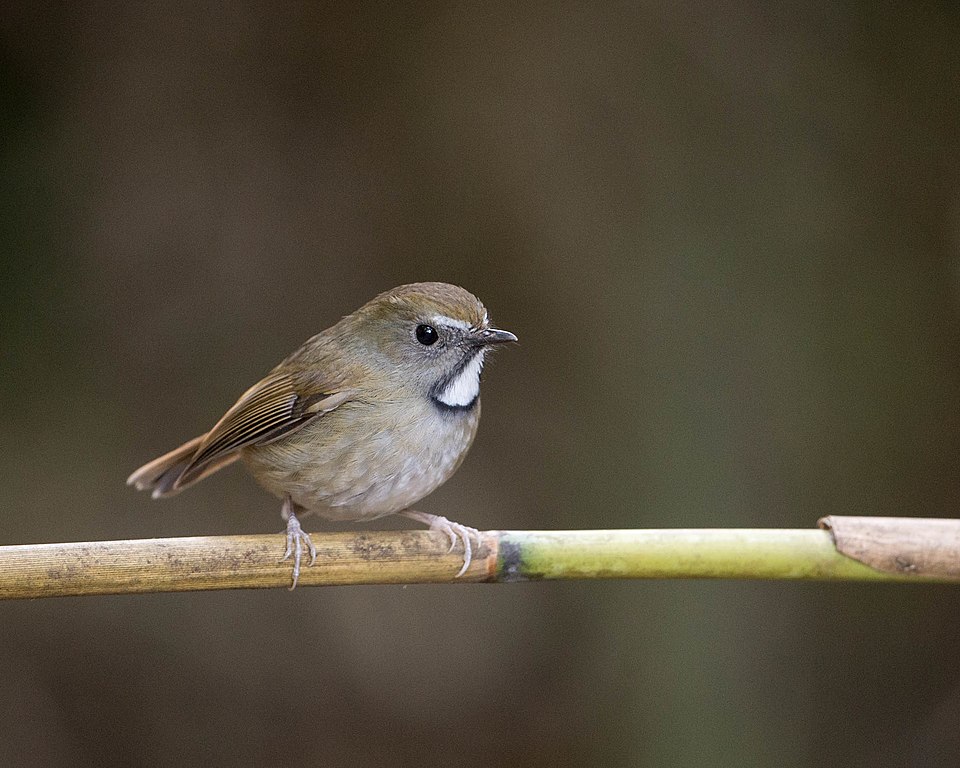
The Ryukyu Robin is easily recognized by its vivid orange breast and face, contrasting with its olive-brown back and wings. Adult males typically display brighter colors than females, who exhibit a more subdued palette with paler underparts. Juvenile Ryukyu Robins can be distinguished by their speckled brown and orange plumage, which serves as camouflage in their forested environment.
When observing the Ryukyu Robin in the field, birders should note its distinct, upright posture while perching. This species often flicks its tail, a behavior that aids in identification. In flight, the robin presents a short, rounded silhouette with rapid wingbeats, differentiating it from other island species that may share its habitat.
Despite its distinctive coloration, the Ryukyu Robin can sometimes be confused with the closely related Japanese Robin. However, the latter has a redder tone and lacks the Ryukyu's distinct olive back. By focusing on these specific field marks, observers can confidently identify the Ryukyu Robin in its natural habitat.
Having trouble telling birds apart? Upload a photo to our bird identification tool for an instant species match.
Ryukyu Robin Habitat and Range
Preferred Habitat
The Ryukyu Robin thrives in subtropical and temperate forests, preferring undisturbed, dense understories where it can forage and nest. Within the Ryukyu Islands, it occupies lowland to mid-elevation forests, typically ranging from sea level up to around 1,000 meters. These habitats are rich in biodiversity, offering abundant food sources and nesting materials.
While primarily a forest dweller, the Ryukyu Robin occasionally ventures into secondary growth areas and, less frequently, into gardens and parks near forest edges. However, its preference for thick, mature forests makes it less commonly observed in urban environments. Seasonal changes in habitat use are minimal, with the bird largely remaining in forested areas year-round.
Geographic Range
The Ryukyu Robin is endemic to the Ryukyu Islands, a chain of islands in the southwestern region of Japan. This species predominantly breeds on Okinawa, Amami, and several smaller surrounding islands, where suitable forest habitats are present. Although the robin does not undertake long-distance migrations, it may exhibit some altitudinal movement within its island range, particularly during non-breeding seasons, seeking optimal foraging grounds.
Population densities are highest in the extensive forests of Okinawa, where conservation efforts have helped preserve critical habitats. In contrast, on smaller islands, habitat fragmentation has led to more isolated populations, which can impact genetic diversity and overall population resilience.
Want to know which birds visit your area? Browse our backyard birds by location guides for region-specific species lists.
What Does the Ryukyu Robin Eat?
The Ryukyu Robin's diet primarily consists of insects and other small invertebrates, making it a crucial player in controlling insect populations. Common prey items include beetles, caterpillars, and spiders, which the robin captures by foraging on the forest floor and in low vegetation.
During the breeding season, the Ryukyu Robin's diet remains consistent, but it may increase its intake of protein-rich prey to support the energy demands of raising young. The robin uses a technique known as 'gleaning,' where it picks insects off leaves and branches with precision. Occasionally, it supplements its diet with seeds and small fruits, especially during times when insect abundance decreases.
This varied diet ensures that the Ryukyu Robin can adapt to seasonal fluctuations in food availability, maintaining its role as both a predator and a prey species within its ecosystem.
Ryukyu Robin Behavior and Social Structure
The Ryukyu Robin exhibits a range of behaviors that reflect its ecological niche and adaptation to its environment. Generally solitary or found in pairs, these robins are territorial, especially during the breeding season. Males are known for their vocal displays, singing from elevated perches to establish dominance and attract mates.
Courtship involves elaborate displays, where males perform a fluttering flight and showcase their vibrant plumage to entice females. Once paired, Ryukyu Robins remain monogamous for the breeding season, working cooperatively to raise their young.
Outside the breeding season, the Ryukyu Robin may join mixed-species flocks, which can offer protection from predators and increase foraging efficiency. Their alert nature and sharp alarm calls help warn other birds of potential threats, contributing to the overall safety of the forest community. Diurnal by nature, the robin is most active during early morning and late afternoon, aligning its activity patterns with optimal foraging times.
Ryukyu Robin Nesting and Reproduction
Ryukyu Robins construct their nests in the dense understory of forests, often choosing well-concealed locations to protect against predators. Nests are typically cup-shaped and made from a combination of moss, leaves, and rootlets, providing camouflage and insulation.
The female lays a clutch of 3 to 5 eggs, which she incubates for about 12 to 14 days. During this period, the male plays a supportive role, feeding the female and guarding the territory. After hatching, both parents share responsibilities in feeding the chicks, which fledge approximately two weeks after hatching.
The Ryukyu Robin may raise one or two broods per year, depending on environmental conditions and food availability. Successful nesting often requires stable habitats, as disturbances can lead to increased predation and nest abandonment.
Ryukyu Robin Sounds and Vocalizations
The Ryukyu Robin's song is a series of melodious, flute-like notes that rise and fall in a clear, sweet sequence. This primary song is most often heard during the breeding season when males sing to establish territories and attract mates.
In addition to their song, Ryukyu Robins produce a variety of call notes, including sharp 'tic' sounds used for communication between mates and family groups. Alarm calls are more rapid and harsh, serving to alert other birds to predators' presence.
During the dawn chorus, the robin's voice often stands out due to its distinctive quality and rhythm, contributing to the vibrant soundscape of the Ryukyu forests, akin to the song of the European Robin but with a distinctly tropical flair.
Interesting Facts About the Ryukyu Robin
- 1The Ryukyu Robin's scientific name, Erithacus komadori, reflects its close relation to the European Robin, despite being geographically distant.
- 2Ryukyu Robins are known to mimic the calls of other bird species, showcasing their adaptability and intelligence.
- 3The robin's vibrant orange breast is a rare color in tropical forest birds, making it a unique visual spectacle.
- 4During the non-breeding season, Ryukyu Robins sometimes participate in mixed-species foraging flocks, enhancing their survival chances.
- 5Despite their preference for dense forests, Ryukyu Robins occasionally venture into secondary growth areas, demonstrating habitat flexibility.
- 6The Ryukyu Robin's song is highly variable, with individuals often developing unique song patterns that differentiate them from their neighbors.
- 7Conservation of the Ryukyu Robin also benefits numerous other species that share its habitat, highlighting its role as an umbrella species.
Ryukyu Robin Conservation Status
Currently, the Ryukyu Robin is listed as Near Threatened on the IUCN Red List due to habitat loss and fragmentation. While populations in some areas remain stable, others have experienced declines, primarily from deforestation and land development. Conservation efforts focus on habitat protection and restoration, with several initiatives aimed at preserving large tracts of native forest. Local conservation groups and governmental agencies are working to mitigate human impacts and promote sustainable land-use practices. Historically, the Ryukyu Robin's population has suffered from habitat encroachment, but increased awareness and conservation actions offer hope for the future of this emblematic species.
Other Muscicapidae Species


Birds Similar to the Ryukyu Robin
These species are often confused with the Ryukyu Robin due to similar appearance or overlapping range.
