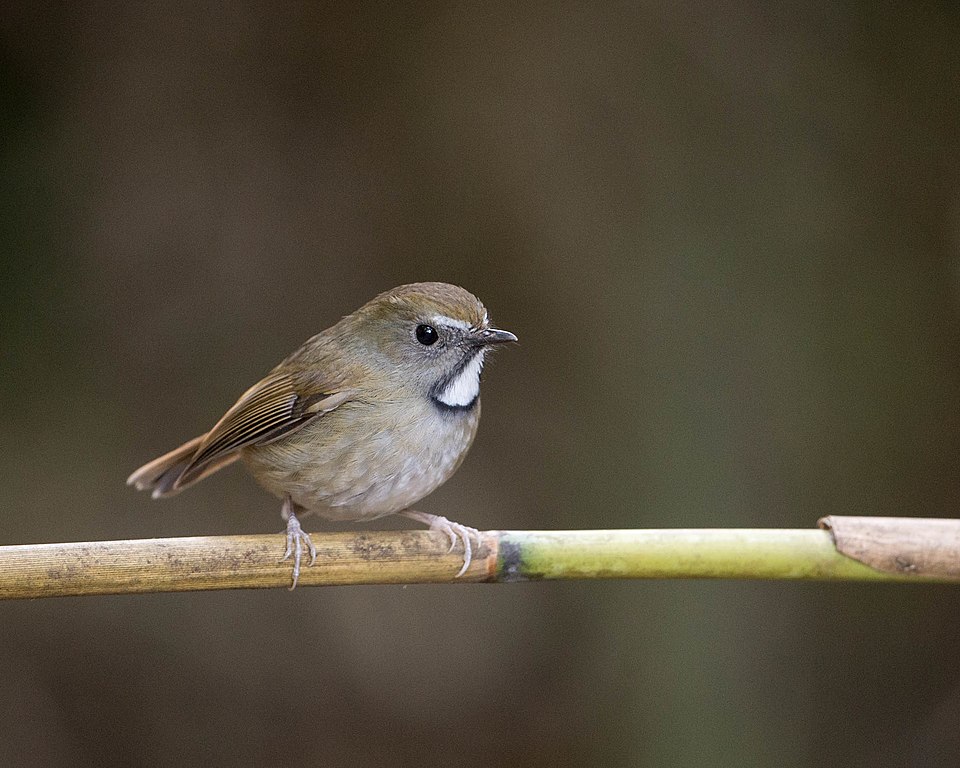
Sentinel Rock-Thrush
Monticola explorator
Order: Passeriformes / Family: Muscicapidae

Wikimedia Commons
About the Sentinel Rock-Thrush
The Sentinel Rock-Thrush, scientifically known as Monticola explorator, is a captivating bird that belongs to the Muscicapidae family. This medium-sized songbird is native to the African continent, with its range predominantly in southern Africa. Particularly associated with rocky outcrops, this bird favors altitudinous regions where it thrives amidst the rugged landscape. The rock-thrush is an emblematic presence in the Drakensberg Mountains of South Africa and Lesotho, where its vibrant plumage stands out against the stark, rocky background.
Significantly, the Sentinel Rock-Thrush plays a vital role in its ecosystem as both a pollinator and a seed disperser. By consuming fruits and berries, the bird contributes to the propagation of various plant species, aiding in maintaining the ecological balance of its habitat. The bird's diet also includes a variety of insects, which helps control pest populations in these areas, demonstrating its importance in the broader ecological web.
Seasonally, the Sentinel Rock-Thrush exhibits some altitudinal movement. During the breeding season, which coincides with the warmer months, these birds are more frequently observed at higher elevations. In contrast, they may descend to lower altitudes during colder months. This seasonal behavior not only reflects the adaptability of Monticola explorator but also underscores its role in the dynamic interplay of mountainous ecosystems. The bird's presence serves as an indicator of environmental health, providing insights into the impacts of climate change and habitat alteration.
The Sentinel Rock-Thrush belongs to the family Muscicapidae, within the order Passeriformes. These birds typically live average 5-7 years with a max recorded of 11 years.
How to Identify a Sentinel Rock-Thrush
The Sentinel Rock-Thrush exhibits a distinctive set of field marks that make it relatively easy to identify. Adult males boast a striking blue head and back with a vivid orange breast and belly, a combination that makes them conspicuous against rocky terrains. Females and juveniles, however, have more muted coloration, presenting a brownish hue with faint streaks, which provides camouflage in their natural habitat.
Male and female plumage differences are notable, with males being more colorful, which can assist in visual identification during the breeding season when both can be seen perched prominently on rocks. Juveniles resemble females but exhibit a more pronounced scaly pattern on the breast, a feature that gradually fades as they mature.
In flight, the Sentinel Rock-Thrush displays a characteristic silhouette with rapid wing beats and short glides. When perched, it exhibits an upright posture, often sitting atop rocks or boulders, scanning its surroundings for potential prey or threats. These behaviors, alongside its distinctive plumage, distinguish it from similar species, such as the Cape Rock-Thrush, which lacks the blue coloration on the head.
Having trouble telling birds apart? Upload a photo to our bird identification tool for an instant species match.
Sentinel Rock-Thrush Habitat and Range
Preferred Habitat
The Sentinel Rock-Thrush is predominantly associated with rocky habitats, thriving in montane regions characterized by boulders and cliffs. It is most commonly found at elevations ranging from 1,500 to 3,000 meters, particularly in the Drakensberg Mountains, but also inhabits the rocky highlands of Zimbabwe and Mozambique.
This species prefers open landscapes with scattered rocks and minimal vegetation, providing both vantage points and nesting sites. While primarily a bird of mountainous regions, the Sentinel Rock-Thrush can occasionally be found in lower altitudes during non-breeding seasons, especially in rocky outcrops of savannahs and semi-arid areas.
Unlike more adaptable species, the Sentinel Rock-Thrush rarely ventures into urban environments, maintaining a preference for less disturbed habitats. This specificity in habitat preference highlights the bird's sensitivity to environmental changes, making it a valuable bioindicator for conservationists monitoring ecosystem health.
Geographic Range
The Sentinel Rock-Thrush's range is largely confined to southern Africa, where it is a resident species in countries such as South Africa, Lesotho, Swaziland, Zimbabwe, and Mozambique. It is notably prevalent in the Drakensberg Mountains and surrounding highland areas, where its population density is highest.
While the bird is primarily sedentary, there is evidence of local altitudinal migration, with individuals moving to lower elevations during the winter months. This movement ensures access to food resources year-round and mitigates the harsher conditions of high-altitude winters.
Despite its somewhat restricted range, the Sentinel Rock-Thrush remains locally common within its preferred habitats, though it is less frequently observed outside these rocky enclaves. The bird's presence in various protected areas highlights the importance of these locations in conserving its preferred habitat.
Want to know which birds visit your area? Browse our backyard birds by location guides for region-specific species lists.
What Does the Sentinel Rock-Thrush Eat?
The Sentinel Rock-Thrush has a varied diet that reflects its omnivorous feeding habits. Primarily, it feeds on insects such as beetles, ants, and grasshoppers, which it captures with swift, precise movements. The bird also consumes spiders and other small arthropods, playing a role in maintaining the balance of invertebrate populations in its environment.
Seasonally, the diet of Monticola explorator includes a significant portion of fruits and berries, which are particularly important during the non-breeding months when insect availability may decline. This dietary flexibility allows the Sentinel Rock-Thrush to exploit different food resources as they become available, ensuring survival across varying environmental conditions.
Foraging typically occurs during the day, with peak activity in the early morning and late afternoon. The bird utilizes a combination of perching and ground foraging techniques, often hopping from rock to rock in search of prey. This behavior underscores its adaptability and resourcefulness in exploiting the diverse food sources within its rocky habitat.
Sentinel Rock-Thrush Behavior and Social Structure
Socially, the Sentinel Rock-Thrush is predominantly a solitary bird, though it may be observed in pairs during the breeding season. It exhibits strong territorial behavior, with males vigorously defending their chosen territories through song and displays. These territories serve as both breeding grounds and foraging areas, with males establishing prominent perches from which they sing to attract mates and deter rivals.
Courtship displays involve males showcasing their vivid plumage and engaging in aerial acrobatics to impress potential partners. These displays are critical for pair formation and successful breeding. Outside the breeding season, the Sentinel Rock-Thrush is more elusive but remains within its established territory.
In terms of daily activity, the bird is diurnal, with feeding and foraging peaking in the cooler hours of the day. Its response to predators includes loud alarm calls and a rapid retreat to secure rocky crevices, where it finds protection from threats such as raptors and terrestrial predators.
Sentinel Rock-Thrush Nesting and Reproduction
The nesting habits of the Sentinel Rock-Thrush are closely tied to its rocky habitat. Nests are typically constructed in sheltered locations within crevices or under overhangs on cliffs, providing protection from the elements and predators. The nest itself is a cup-shaped structure made from a combination of grass, twigs, and other plant materials, lined with softer substances like feathers and animal hair for insulation.
Clutch size generally ranges from two to four eggs, with an incubation period lasting approximately 14 to 18 days. Both the male and female participate in incubating the eggs, though the female often takes on a more significant share of this duty.
Once hatched, the chicks are altricial, requiring considerable parental care. They fledge after about 14 to 21 days, during which both parents are actively involved in feeding and protecting the young. The Sentinel Rock-Thrush typically raises one brood per year, though favorable conditions may occasionally allow for a second brood.
Sentinel Rock-Thrush Sounds and Vocalizations
The primary song of the Sentinel Rock-Thrush is a melodious, flute-like series of phrases that vary in pitch and tempo. This song, delivered from high perches, serves both territorial and courtship purposes. The rhythm is often described as a series of clear, whistling notes that can be heard over significant distances in its rocky habitat.
In addition to its song, the rock-thrush produces a variety of call notes, including short, sharp alarm calls that alert others to potential dangers. These calls are particularly important during the breeding season when defending territory and protecting offspring.
The dawn chorus of the Sentinel Rock-Thrush is especially prominent, with males singing vigorously at first light. This behavior not only reinforces territorial boundaries but also plays a role in pair bonding and mate attraction.
Interesting Facts About the Sentinel Rock-Thrush
- 1The Sentinel Rock-Thrush is named for its habit of perching prominently on rocks, serving as a 'sentinel' of its territory.
- 2Despite its vibrant colors, the Sentinel Rock-Thrush remains elusive outside its preferred rocky habitats.
- 3The bird's song is so distinctive that it can often be used to identify individuals even when they are not visible.
- 4Sentinel Rock-Thrushes are known to occasionally mimic the calls of other bird species, adding complexity to their vocal repertoire.
- 5Males are more colorful than females, a trait common among rock-thrushes that aids in attracting mates.
- 6The Sentinel Rock-Thrush has an average lifespan of up to 8 years in the wild, a testament to its adaptability to harsh environments.
- 7Juvenile Sentinel Rock-Thrushes exhibit a distinctive scaly pattern which fades as they mature into adults.
Sentinel Rock-Thrush Conservation Status
The International Union for Conservation of Nature (IUCN) currently lists the Sentinel Rock-Thrush as a species of Least Concern, reflecting its stable population trend. While it is not considered threatened, habitat destruction and climate change pose potential risks to its long-term survival. Key conservation efforts focus on the preservation of its rocky habitats, particularly in protected areas like national parks and reserves. Maintaining these ecosystems is crucial for the continued health and stability of Sentinel Rock-Thrush populations. Historically, the population of Monticola explorator has remained relatively stable, though ongoing monitoring is essential to detect any changes that may arise from environmental pressures. Public awareness and habitat conservation initiatives are vital for ensuring the species' future.