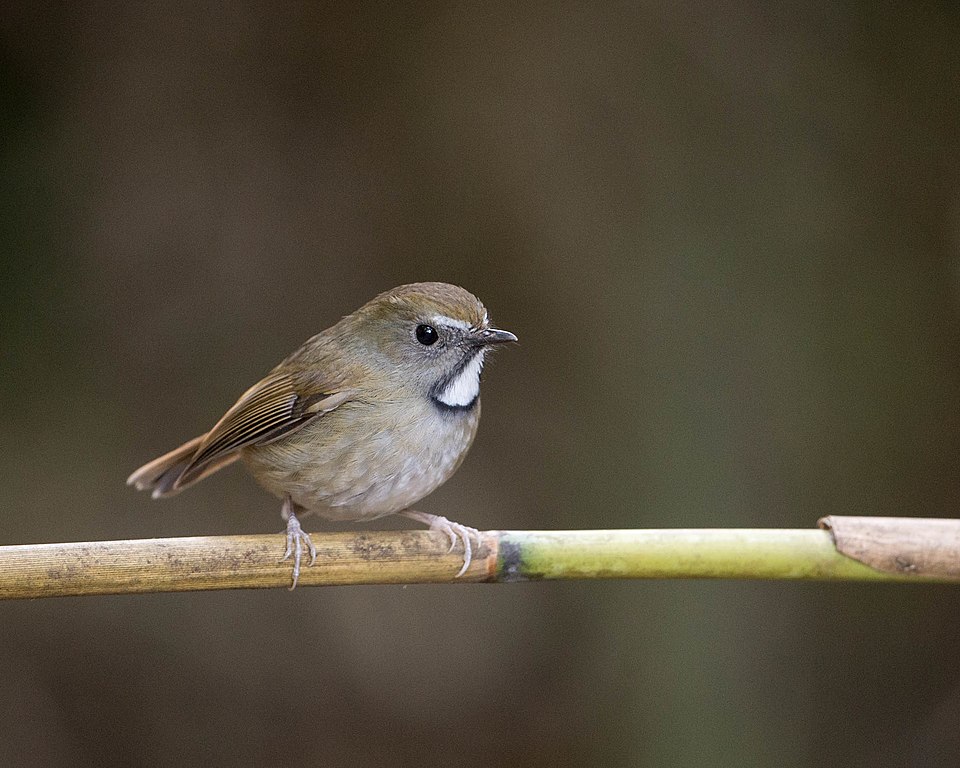
Seychelles Magpie-Robin
Copsychus sechellarum
Order: Passeriformes / Family: Muscicapidae

Wikimedia Commons
About the Seychelles Magpie-Robin
The Seychelles Magpie-Robin (Copsychus sechellarum) stands as a symbol of successful conservation efforts in the Indian Ocean, specifically endemic to the granitic islands of Seychelles. Once teetering on the brink of extinction, with populations reduced to a mere dozen in the 1960s, this bird has rebounded thanks to intensive conservation measures. They are primarily found on islands like Cousin, Cousine, Aride, and Fregate, with each island having its distinct population. These birds play a crucial role in the local ecosystem as insectivores, helping control insect populations and contributing to the pollination of certain plants. As permanent residents of the Seychelles, they do not migrate but do exhibit some seasonal behaviors linked to breeding and food availability. The Seychelles Magpie-Robin inhabits forests and woodlands, often seen foraging on the ground or in low shrubs. Its preference for lowland coastal forests, especially those with a mix of native trees and open undergrowth, underscores its role in these delicate ecosystems. During the breeding season, which peaks from October to March, these birds become more vocal and territorial, defending their chosen areas rigorously. The recovery of the Seychelles Magpie-Robin highlights the importance of habitat preservation and the delicate balance required to maintain biodiversity on these islands.
The Seychelles Magpie-Robin belongs to the family Muscicapidae, within the order Passeriformes. These birds typically live average 5-7 years, with a maximum recorded of 10 years..
How to Identify a Seychelles Magpie-Robin
The Seychelles Magpie-Robin is a medium-sized songbird, measuring around 25 cm in length. Adults are easily recognized by their glossy black plumage, which sometimes appears bluish in certain lights. Their long tails and slender bodies contribute to their elegant appearance. Juveniles, in contrast, exhibit a duller brownish-black plumage, lacking the sheen of adults. There is little sexual dimorphism in this species, making it difficult to distinguish males from females by plumage alone. However, males may appear slightly larger with a more robust build. The Seychelles Magpie-Robin may be confused with the Seychelles Black Paradise Flycatcher, but the latter has elongated tail feathers and a more pronounced crest. When in flight, the magpie-robin displays a rounded silhouette with broad wings and a distinctive undulating flight pattern. Perched, it often flicks its tail and exhibits a curious, cocked-head posture, especially when alert.
Having trouble telling birds apart? Upload a photo to our bird identification tool for an instant species match.
Seychelles Magpie-Robin Habitat and Range
Preferred Habitat
The Seychelles Magpie-Robin primarily inhabits coastal lowland forests and woodlands. These habitats are rich in native tree species, which provide ample foraging opportunities and nesting sites. The bird favors areas with dense undergrowth interspersed with open spaces, ideal for its ground-foraging habits. On islands like Cousin and Fregate, they are found at elevations from sea level to about 300 meters, rarely venturing into higher or densely forested regions. There is little seasonal habitat shift, but during the rainy season, birds may move to slightly higher elevations or less flooded areas. Unlike some other tropical birds, the Seychelles Magpie-Robin does not typically inhabit urban areas, preferring the relative seclusion and stability of protected forest reserves.
Geographic Range
The range of the Seychelles Magpie-Robin is limited to a few islands within the Seychelles archipelago in the Indian Ocean. Historically, their range included more islands, but habitat destruction and other threats restricted them to Cousin, Cousine, Aride, and Fregate Islands. Thanks to conservation efforts, the populations on these islands have been stabilizing, with Cousin Island being a particular hotspot for population density, supported by rigorous habitat management. There is no significant migration pattern as these birds are non-migratory, residing year-round in their limited island habitats. This restricted range underscores both their vulnerability and the critical need for ongoing conservation measures to ensure their survival.
Want to know which birds visit your area? Browse our backyard birds by location guides for region-specific species lists.
What Does the Seychelles Magpie-Robin Eat?
The diet of the Seychelles Magpie-Robin is primarily insectivorous, consisting mainly of beetles, caterpillars, ants, and other small invertebrates. They are opportunistic feeders, occasionally consuming small reptiles and fruits. Seasonal changes slightly affect their diet; during the breeding season, they may increase their intake of protein-rich insects to support growing chicks. Foraging typically occurs on the ground or in low shrubs, where they use a hop-and-pick technique to uncover prey. This involves flicking through leaf litter and probing soil crevices. They are most active in the early morning and late afternoon, aligning their feeding schedule with insect activity. The size of prey ranges from small ants to larger beetles, demonstrating the bird's adaptability in its feeding habits.
Seychelles Magpie-Robin Behavior and Social Structure
Seychelles Magpie-Robins exhibit a fascinating range of behaviors, particularly regarding their social structure and territoriality. They are monogamous, with pairs often remaining together throughout the year. Territories are vigorously defended, especially during the breeding season, with both males and females engaging in displays to ward off intruders. Courtship involves vocal duets and synchronized movements, strengthening pair bonds. These birds are generally solitary or found in pairs, rarely forming larger flocks. When confronted by predators like rats or crabs, they exhibit alarm calls and mobbing behavior to deter the threat. Daily activity peaks during cooler hours, with midday often spent resting in shaded areas. Their alert posture and habit of tail-flicking make them a lively presence in their habitats.
Seychelles Magpie-Robin Nesting and Reproduction
Nesting for the Seychelles Magpie-Robin involves meticulous site selection and construction. Nests are typically located in tree cavities or among dense foliage, providing concealment from predators. The female primarily constructs the nest using twigs, leaves, and other plant materials, forming a cup-like structure. Clutch size ranges from two to three eggs, with incubation lasting about 15 days, predominantly undertaken by the female. Both parents participate in feeding and caring for the chicks, which fledge approximately 18-22 days after hatching. The species usually raises one brood per year, although under favorable conditions, a second brood may occur. Parental investment in each brood is high, with continued feeding and protection until the young become independent.
Seychelles Magpie-Robin Sounds and Vocalizations
The primary song of the Seychelles Magpie-Robin is a melodious series of whistles and trills, delivered with a clear, ringing quality. These songs vary slightly between individuals, aiding in territorial identification and mate attraction. Their call notes are sharp and repetitive, often used in alarm or as contact calls between pairs. Alarm calls, short and staccato, signal the presence of predators and mobilize other birds to defend the territory. During the dawn chorus, their songs contribute to the vibrant soundscape of their habitat, often before other bird species begin to sing. The song's rhythm and pitch resemble that of a flute, providing a serene yet assertive presence in their environment.
Interesting Facts About the Seychelles Magpie-Robin
- 1The Seychelles Magpie-Robin was once considered the rarest bird in the world, with only 16 known individuals in 1965.
- 2These birds play a crucial role in their ecosystem by controlling insect populations, acting as natural pest control agents.
- 3A conservation success story, their numbers have increased nearly 20-fold since intensive protection efforts began.
- 4The Seychelles Magpie-Robin is a flagship species for conservation in the Seychelles, highlighting the importance of island biodiversity.
- 5Unlike many songbirds, both male and female Seychelles Magpie-Robins participate in territorial defense and vocal displays.
Seychelles Magpie-Robin Conservation Status
The Seychelles Magpie-Robin remains classified as endangered on the IUCN Red List, despite a positive population trend. From a critical low of 16 individuals in the 1960s, current estimates place the population at around 280-300 birds, thanks to concerted conservation efforts. Primary threats include habitat loss, invasive species, and genetic bottlenecks. Conservation measures such as habitat restoration, predator control, and translocation have been pivotal in their recovery. Historically, habitat destruction and introduced predators like rats were significant challenges. Ongoing efforts focus on maintaining genetic diversity and further expanding their range within the Seychelles.