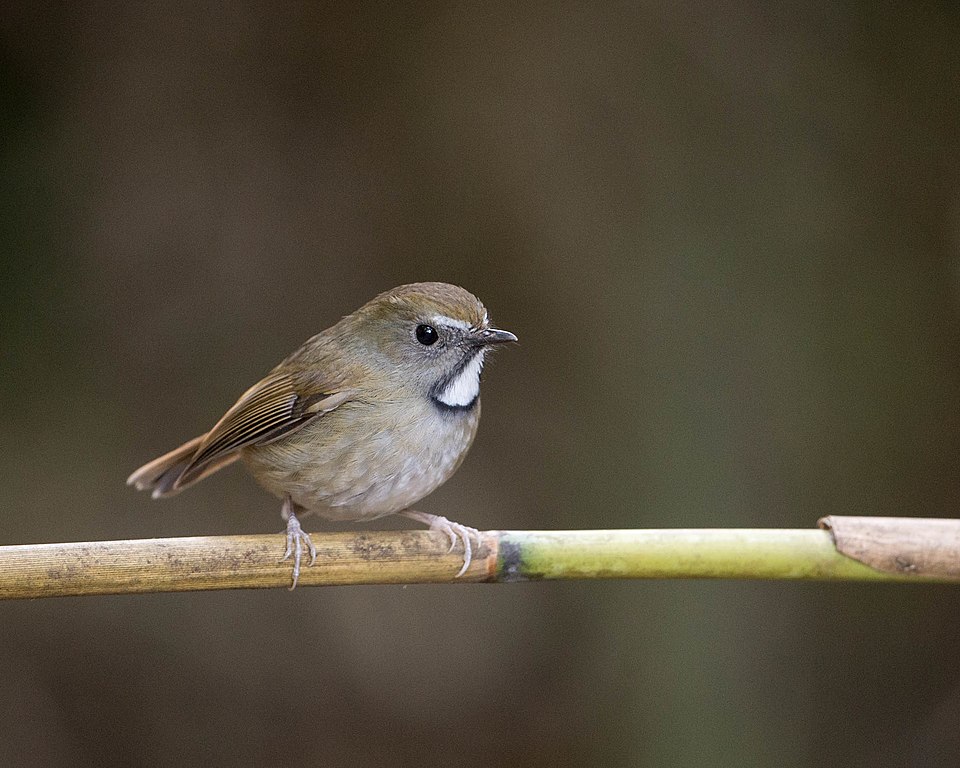
Short-toed Rock-Thrush
Monticola brevipes
Order: Passeriformes / Family: Muscicapidae

Wikimedia Commons
About the Short-toed Rock-Thrush
The Short-toed Rock-Thrush (Monticola brevipes) is a fascinating bird species within the Muscicapidae family, predominantly found in southern Africa. This striking bird is known for its vivid plumage and adaptability to arid environments, often inhabiting rocky outcrops and dry savannas. Its presence is notably significant in regions such as Namibia, Botswana, and parts of South Africa, where it contributes to the local biodiversity. The Short-toed Rock-Thrush plays a crucial ecological role as both a predator of insects and a seed disperser, helping to maintain the balance within its ecosystem.
The bird's distribution is largely influenced by its preference for specific habitats. It thrives in rocky landscapes, often at altitudes ranging from 500 to 2000 meters, where it can find ample nesting sites and food sources. During the breeding season, which typically spans from August to December in the southern hemisphere, the Short-toed Rock-Thrush becomes more territorial. Males engage in vocal displays to attract females and establish territory. This seasonal behavior underscores its role as a key species in the arid regions it inhabits.
Beyond its ecological contributions, the Short-toed Rock-Thrush represents the resilience of avian species in adapting to harsh environments. Its ability to thrive in less vegetated, rocky terrain highlights its niche specialization. As climate patterns shift, understanding the behaviors and habitats of such species becomes increasingly important for conservation efforts. The bird's adaptability not only serves as a model for survival in challenging conditions but also emphasizes the interconnectedness of species and habitats in maintaining ecological equilibrium.
The Short-toed Rock-Thrush belongs to the family Muscicapidae, within the order Passeriformes. These birds typically live average 4-6 years with a max recorded of 9 years.
How to Identify a Short-toed Rock-Thrush
The Short-toed Rock-Thrush is a medium-sized passerine bird, characterized by its distinctive blue and orange coloration. Adult males exhibit a vibrant blue head, back, and wings, contrasted by a rich orange breast and belly. This striking coloration makes them easily recognizable against the rocky terrains they inhabit. Females, on the other hand, display a more subdued palette, with grayish-brown upper parts and a lighter, buff-colored breast, allowing them to blend seamlessly with their surroundings.
Juvenile Short-toed Rock-Thrushes resemble females but often have more mottled plumage, which gradually transitions to adult colors as they mature. One of the key identification features is their relatively short tail and robust body, which aids in their agile movements among rocks and ledges. Their short, stout legs and strong feet are adapted for perching on uneven surfaces, a common behavior observed in their natural habitats.
In flight, the Short-toed Rock-Thrush has a distinctive silhouette with broad wings and a relatively short tail. This aids in rapid, agile flight through rocky terrains. While similar in size and shape to other rock-thrush species, its unique coloration and specific habitat preferences reduce the likelihood of confusion in the field.
Having trouble telling birds apart? Upload a photo to our bird identification tool for an instant species match.
Short-toed Rock-Thrush Habitat and Range
Preferred Habitat
The Short-toed Rock-Thrush favors arid, rocky environments, thriving in habitats such as rocky outcrops, dry savannas, and mountainous regions. It is commonly found at elevations between 500 and 2000 meters, where it can utilize the terrain for nesting and foraging. These birds are particularly adapted to areas with sparse vegetation, where their foraging and nesting strategies are most effective.
Seasonally, the Short-toed Rock-Thrush may shift to slightly different areas within its range, though it generally remains within the same broad habitat type. Urban presence is minimal, as these birds prefer less disturbed environments where they can fully exploit the available resources. In rural and semi-natural landscapes, they are more commonly observed, often using the unique features of these areas to their advantage.
Geographic Range
The Short-toed Rock-Thrush is predominantly found in southern Africa, with its range extending across Namibia, Botswana, Zimbabwe, and parts of South Africa. Within these regions, it occupies specific niches in rocky and arid environments. It is a non-migratory species, generally residing within its established range year-round, although slight local movements may occur in response to seasonal changes in food availability or weather conditions.
In Namibia, the bird is particularly common in the central highlands and the escarpment regions, where its preferred habitats are abundant. Similarly, in Botswana, it thrives in the rocky terrains of the Kalahari Basin. South Africa's Northern Cape and Limpopo regions also provide suitable environments for this species, where it can be found in both protected areas and private reserves.
Want to know which birds visit your area? Browse our backyard birds by location guides for region-specific species lists.
What Does the Short-toed Rock-Thrush Eat?
The diet of the Short-toed Rock-Thrush primarily consists of insects and other small invertebrates. It is an opportunistic feeder, often seen foraging on the ground or among rocky crevices where it can find beetles, ants, and caterpillars. During the breeding season, the bird's diet may expand to include more protein-rich prey to support the nutritional demands of raising young.
In addition to its insectivorous diet, the Short-toed Rock-Thrush also consumes various seeds and small fruits, particularly when insect availability is low. This dietary flexibility allows it to adapt to the fluctuating resources typical of its arid habitat. Foraging typically occurs during the cooler parts of the day, such as early morning and late afternoon, when prey is more active and visible.
Short-toed Rock-Thrush Behavior and Social Structure
The Short-toed Rock-Thrush exhibits a range of interesting behaviors, particularly in its territorial and social interactions. Males are known for their melodious songs, which they use to establish territories and attract mates during the breeding season. These vocal performances are often delivered from prominent perches, a behavior that showcases their striking plumage as well as their vocal prowess.
Socially, the Short-toed Rock-Thrush is generally solitary or found in pairs, especially during the breeding season. Outside this period, it may occasionally form small, loose flocks, particularly when foraging in areas with abundant food resources. The species is territorial, with males often engaging in flight displays or vocal duels to defend their chosen area from rivals.
In response to predators, the Short-toed Rock-Thrush relies on its agility and cryptic coloration. It often takes cover among rocks and vegetation to avoid detection. Daily activity patterns include active foraging during cooler parts of the day and resting or preening during the hotter midday hours.
Short-toed Rock-Thrush Nesting and Reproduction
The nesting habits of the Short-toed Rock-Thrush are closely tied to its rocky habitat. Nests are typically constructed in crevices or ledges, providing protection from predators and harsh weather conditions. The nest itself is a cup-shaped structure made from grass, twigs, and leaves, often lined with softer materials like feathers or moss.
A typical clutch consists of 2 to 4 eggs, with both parents participating in incubation, which lasts approximately 14 to 16 days. After hatching, the chicks are fed by both parents and fledge about 18 to 20 days later. The Short-toed Rock-Thrush usually raises one or two broods per year, depending on environmental conditions and food availability.
Short-toed Rock-Thrush Sounds and Vocalizations
The primary song of the Short-toed Rock-Thrush is a melodious series of whistles and trills, often delivered from a high perch. This song plays a crucial role in territory establishment and mate attraction. In addition to its song, the bird also produces a range of call notes, such as sharp "chit" sounds that serve as alarm calls or contact signals between mates.
During the dawn chorus, the Short-toed Rock-Thrush contributes its voice to the symphony of sounds, its clear, melodious calls standing out against the backdrop of other local bird species. The alarm calls are typically high-pitched and rapid, designed to alert nearby thrushes to potential threats.
Interesting Facts About the Short-toed Rock-Thrush
- 1The Short-toed Rock-Thrush can be seen sunbathing on rocks during cooler mornings, a behavior that aids in thermoregulation.
- 2Despite its vivid coloration, the male Short-toed Rock-Thrush's plumage provides excellent camouflage among the rocks.
- 3This bird's diet includes a variety of small invertebrates, allowing it to control pest populations in its habitat.
- 4The Short-toed Rock-Thrush is known for its melodious song, which can be heard over long distances in its rocky habitat.
- 5Its ability to thrive in arid environments makes the Short-toed Rock-Thrush an excellent indicator of ecosystem health in such regions.
- 6The Short-toed Rock-Thrush uses its strong legs and feet to navigate the uneven surfaces of rocky landscapes.
- 7During the breeding season, the male's vibrant colors become more pronounced, enhancing its attractiveness to potential mates.
Short-toed Rock-Thrush Conservation Status
The Short-toed Rock-Thrush currently holds a conservation status of Least Concern according to the IUCN Red List. Its populations are considered stable across its range, partly due to its adaptability to a variety of arid environments. However, ongoing threats such as habitat destruction and climate change pose potential risks to its future stability. Conservation efforts for this species primarily focus on habitat protection and management. By preserving the rocky and semi-arid landscapes it inhabits, conservationists aim to ensure the continued survival of the Short-toed Rock-Thrush and other species that share its habitat. Monitoring population trends and potential threats remains crucial for maintaining its status.