
Silverbird
Empidornis semipartitus
Order: Passeriformes / Family: Muscicapidae

Wikimedia Commons
About the Silverbird
The Silverbird, scientifically known as Empidornis semipartitus, is a fascinating member of the Muscicapidae family. This striking bird is native to the savannas and open woodlands of eastern Africa. It is particularly abundant in countries such as Kenya, Tanzania, and Ethiopia. The Silverbird plays a significant ecological role as an insectivore, contributing to pest control in its habitat. Its presence is a reliable indicator of the health of its ecosystem, often found in areas with a mix of trees and open spaces. During the breeding season, which coincides with the rainy months, the Silverbird engages in elaborate courtship displays characterized by singing and aerial acrobatics. Observers in regions like the Rift Valley often note these performances as part of the bird's charm. As a non-migratory species, the Silverbird maintains year-round territories, which it defends vigorously. This territorial behavior underscores its importance in controlling insect populations, as it actively hunts for a variety of arthropods. The Silverbird also holds cultural significance in some regions. In Kenya, for example, its striking appearance and vocalizations have inspired local folklore and traditional stories. These tales often highlight the bird's agility and resourcefulness, qualities admired by those who share its habitat. The Silverbird's adaptability to both natural and altered landscapes allows it to thrive despite increasing human encroachment. While it prefers open woodlands, it is not uncommon to spot this bird in agricultural areas, where it benefits from the abundance of insect prey. However, changes in land use and climate pose ongoing challenges, making conservation of its habitat crucial. The Silverbird's presence in diverse habitats, from savannas to cultivated lands, highlights its ecological versatility. Its ability to adapt to varied environments underscores its role as a resilient component of Africa's avian community. Seasonal behaviors, such as increased vocal activity during breeding, provide valuable insights into its life cycle and interactions with its surroundings.
The Silverbird belongs to the family Muscicapidae, within the order Passeriformes. These birds typically live average 6 years with max recorded 10 years.
How to Identify a Silverbird
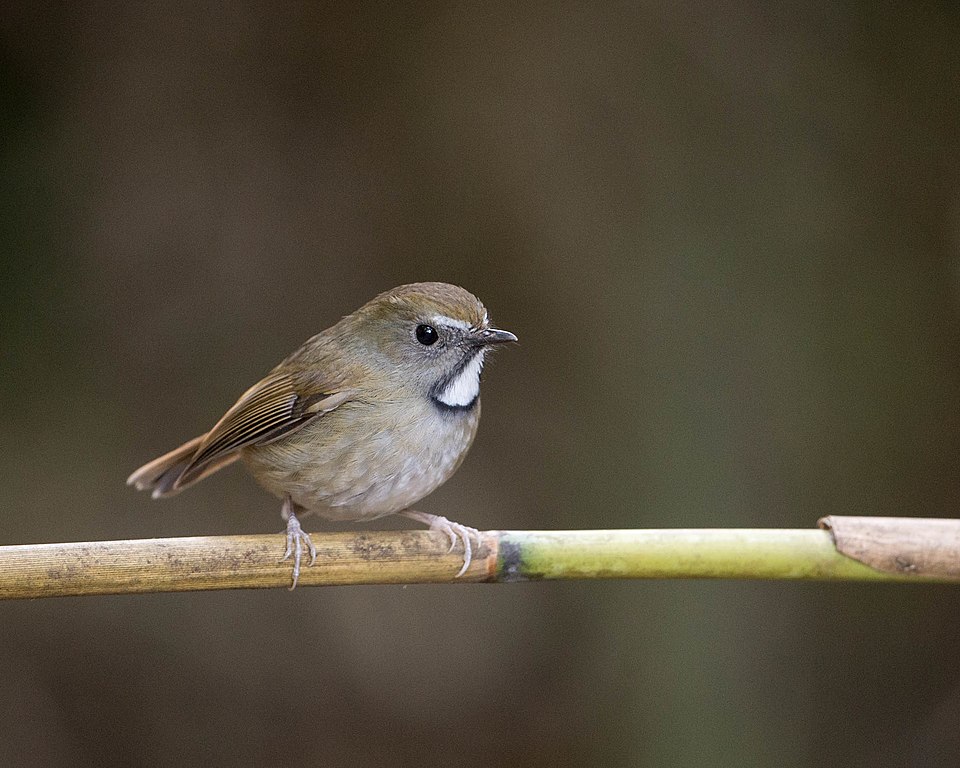
The Silverbird is easily recognized by its striking coloration. Adult Silverbirds display silvery-gray upperparts with a sharp contrast to their vivid orange underparts. The head, nape, and back are a soft gray, providing a subtle transition to the brighter plumage below. Males and females look similar, although females may exhibit slightly duller tones. Juveniles, on the other hand, are less vibrant, featuring brownish-gray plumage until they mature. In flight, the Silverbird presents a compact silhouette with a slightly rounded tail and pointed wings. Its flight is agile, characterized by quick, direct movements. When perched, the bird often adopts an alert posture, scanning its surroundings for prey. Confusion with other species is rare due to its distinct coloration, though it could potentially be mistaken for other thrush-like birds at a distance. However, the combination of gray and orange is unique among its habitat peers, aiding in accurate identification. The Silverbird's bright orange belly makes it conspicuous even in dense foliage, an advantage for birders seeking to spot this charismatic songbird.
Having trouble telling birds apart? Upload a photo to our bird identification tool for an instant species match.
Silverbird Habitat and Range
Preferred Habitat
The Silverbird predominantly inhabits open woodlands and savannas, thriving in regions where trees are interspersed with open spaces. It is frequently observed in acacia-dominated landscapes, spanning elevations from sea level up to approximately 2,000 meters. During the breeding season, it prefers areas with dense undergrowth, providing shelter and feeding opportunities. Although primarily a rural dweller, the Silverbird occasionally ventures into suburban gardens and farmlands, drawn by the abundance of insects. Its adaptability allows it to occupy a range of environments, though it remains most common in habitats that offer a balance between cover and open foraging grounds. Seasonal shifts in habitat use are minimal, as the Silverbird is a year-round resident of its chosen territories.
Geographic Range
The Silverbird's range is confined to the eastern regions of Africa, prominently within the countries of Kenya, Ethiopia, and Tanzania. It occupies a relatively stable range year-round due to its non-migratory nature, although local movements in response to food availability are possible. In Kenya, it is widespread across the Rift Valley and surrounding highlands, while in Tanzania, it is often found in the northern and central parts. The population density is highest in regions where savanna and open woodland habitats are prevalent. The Silverbird does not engage in long-distance migrations, but it may adjust its range slightly in response to seasonal changes in rainfall and food resources. This stable range underscores its preference for consistent habitats that provide ample feeding and nesting opportunities.
Want to know which birds visit your area? Browse our backyard birds by location guides for region-specific species lists.
What Does the Silverbird Eat?
The Silverbird primarily feeds on insects, making it an effective natural pest controller in its habitat. Its diet consists of a variety of arthropods, including beetles, grasshoppers, and caterpillars. During the breeding season, its dietary demands increase, prompting it to hunt more actively for larger prey to sustain its young. The Silverbird employs a sallying technique, perching on a vantage point before launching into the air to capture flying insects. This method allows for efficient foraging within its territory. It also forages on the ground, flipping over leaf litter to uncover hidden insects. While insects form the bulk of its diet, it may occasionally consume small fruits or seeds, particularly during periods when insect abundance is low. The Silverbird's feeding schedule peaks in the early morning and late afternoon, coinciding with heightened insect activity.
Silverbird Behavior and Social Structure
Silverbirds exhibit territorial behavior, with pairs maintaining and defending their territories throughout the year. They are generally solitary or found in pairs, particularly during the breeding season. Displays of aggression towards intruders include vocalizations and physical chases. Courtship involves complex displays, where males sing and perform aerial maneuvers to attract females. These displays are crucial during the rainy season, when breeding conditions are optimal. The Silverbird's daily activity includes foraging in the morning and late afternoon, with resting periods during the midday heat. Its response to predators involves a mix of vocal alarms and evasive flights. While not prone to forming large flocks, Silverbirds may loosely associate with other insectivorous birds when foraging, benefiting from shared vigilance against threats. Their adaptability in various environments showcases a resilience that aids their survival despite habitat pressures.
Silverbird Nesting and Reproduction
Silverbirds construct cup-shaped nests using a combination of grasses, leaves, and spider webs. These nests are typically situated in shrubs or low trees, well-concealed among foliage to protect against predators. The female lays a clutch of 2 to 3 eggs, which are incubated for about 14 days. Both parents share incubation duties and subsequently feed the chicks. Upon hatching, the chicks remain in the nest for approximately 15 days before fledging. Parental care extends beyond fledging, with adults continuing to feed and protect the young for several weeks. The Silverbird typically raises one brood per year, although favorable conditions may lead to a second. Nesting success is influenced by factors such as predation and food availability, highlighting the importance of suitable habitat for reproductive success.
Silverbird Sounds and Vocalizations
The Silverbird's song is a series of melodious warbles and whistles, often described as sweet and fluid. It varies in pitch and rhythm, providing a distinctive and pleasant soundscape in its habitat. The bird frequently sings from exposed perches, particularly during the breeding season, when its vocalizations serve to establish territory and attract mates. Call notes are sharp and metallic, used for communication between individuals. Alarm calls are distinct and serve to alert mates and nearby birds of potential threats. During the dawn chorus, Silverbirds contribute a lively component, their sounds carrying over distances in the still morning air.
Interesting Facts About the Silverbird
- 1The Silverbird is one of the few species within its genus, making it unique among African songbirds.
- 2Its vibrant orange underparts make it a favorite among bird photographers and enthusiasts.
- 3Unlike many birds, Silverbirds do not migrate, remaining in their territories year-round.
- 4Silverbirds often use spider webs in their nests, providing strong yet flexible binding for construction.
- 5Their melodious song is a key feature during courtship, attracting mates with its complex structure.
Silverbird Conservation Status
The Silverbird is currently listed as a species of Least Concern by the IUCN, with stable population trends. However, ongoing threats such as habitat destruction and climate change could impact its habitat. Conservation efforts focus on preserving open woodland and savanna ecosystems, crucial for maintaining Silverbird populations. Historical data suggest population stability, attributed to its adaptability to various landscapes. Advocacy for sustainable land-use practices is essential to mitigate future pressures, ensuring the Silverbird continues to thrive in its native range.
Other Muscicapidae Species


Birds Similar to the Silverbird
These species are often confused with the Silverbird due to similar appearance or overlapping range.
